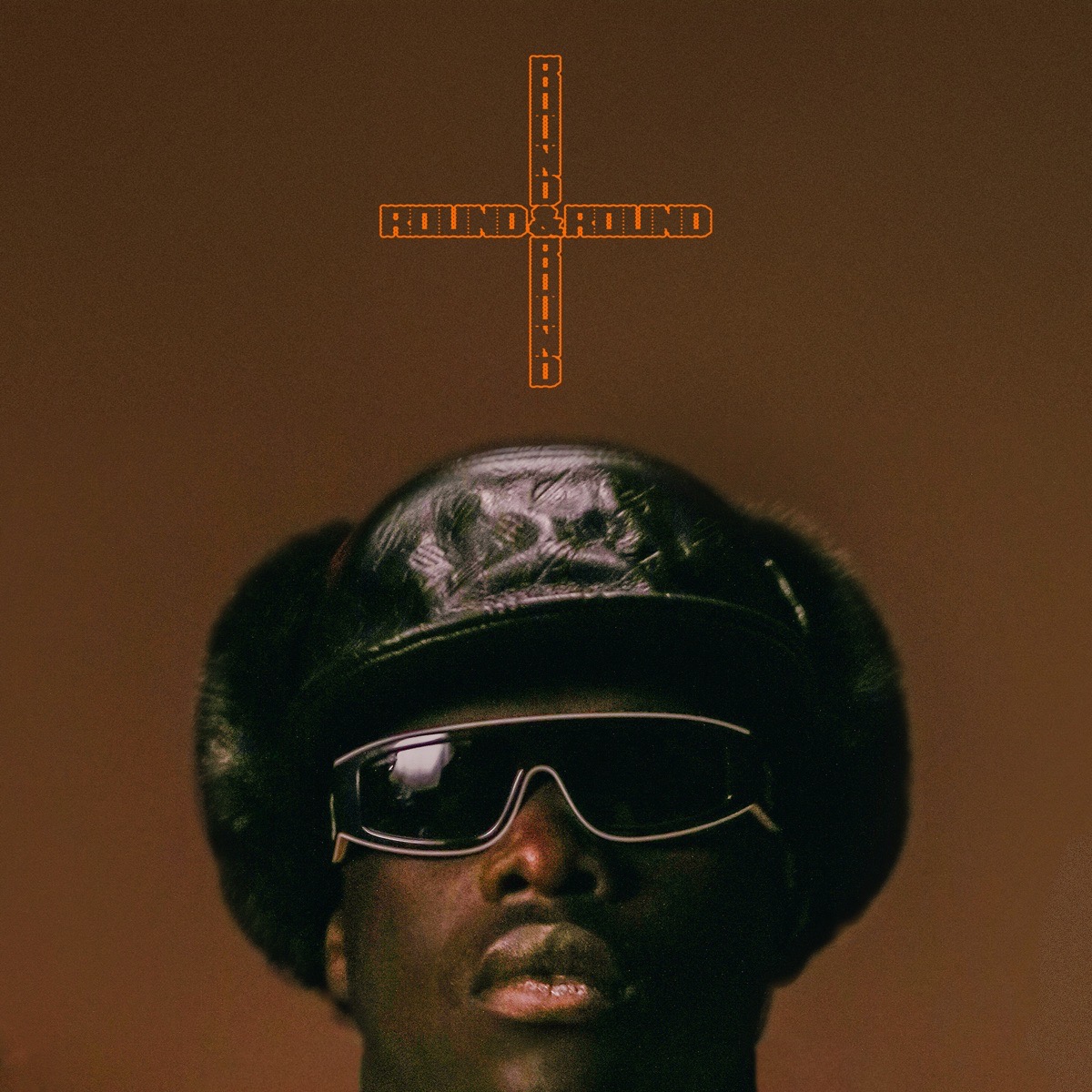
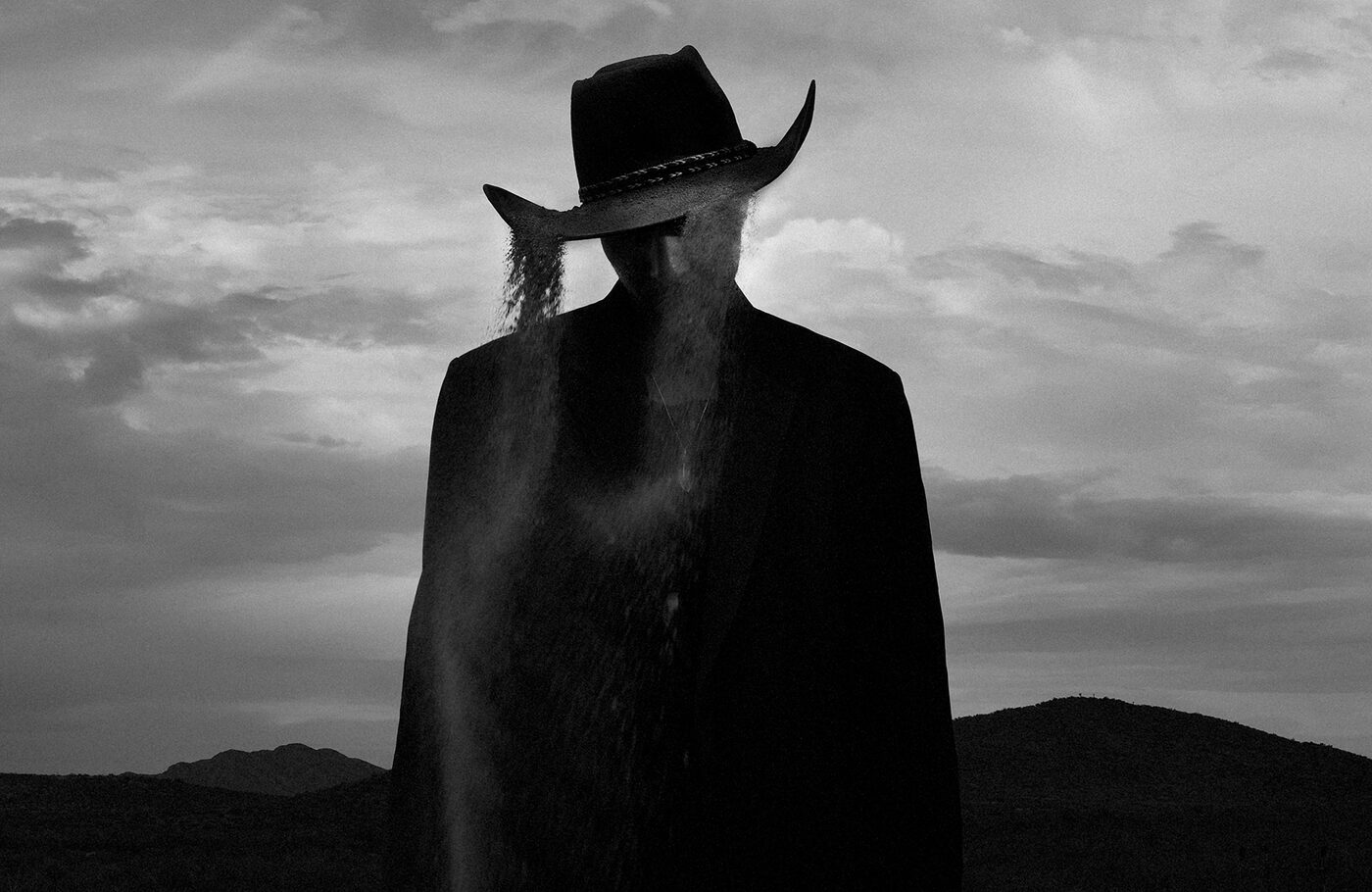
The title refers to a river. Specifically, the Congo River as it passes through Kinshasa, that mud brown water the locals say never leaves you once you taste it. Kumail lived beside it for five years, running a restaurant in the DRC, drawing loops on a laptop keyboard in whatever quiet hours he could find, recording musicians when they wandered through. He is not the kind of artist who accumulated exotic experience for content. He lived a life and the music came out of it, heavy with sediment and memory. Mudbrown, his sophomore album released today on Tru Thoughts, sounds exactly like that.
Three Cities, One Record
Kumail was born in Mumbai. He spent five years in Kinshasa. He now lives in Lisbon with his wife, where his band came together to finish the album. That geography is not backstory, it is the architecture of the music itself. The R&B and soul foundation comes from his earliest influences: D'Angelo, J Dilla, Erykah Badu, the producers who made grooves feel like living organisms. The African rhythms and Lingala vocals come from Kinshasa, where his friend and collaborator Nickson Dufala, a chef from the restaurant, opens the album on "Vultures" with verses about what those years meant and what they cost. The bossa nova textures and warm, sun-faded production come from Lisbon, where everything finally cohered.
The result is an album that sounds like nowhere and everywhere at once. Not fusion in the polished, world-music-festival sense. Fusion in the way that a person who has lived in three countries on three continents simply hears music differently than someone who has not.
Tru Thoughts and What It Represents
Tru Thoughts, the Brighton-based label that has been releasing quality soul, jazz, and electronic music since 1999, is the right home for this record. The label's catalog includes Quantic, Robert Luis, Alice Russell, and Andreya Triana, artists who work in the spaces between genre without being defined by any one. Kumail fits that lineage naturally. His music is not genre-ambiguous in the way that can signal a lack of conviction. It is genre-crossing in the way that comes from knowing each territory well enough to move between them fluently.
Tru Thoughts records tend to have a specific sonic warmth, analog in feeling if not always in process, detailed without being cold, prioritizing the human touch in arrangements. Mudbrown fits that aesthetic without sounding like a house style. The warmth here comes from specific geography and specific relationships, not from production formula.
Tearing It Off
"Tear It Off" featuring Fly Anakin is the album's statement of intent. The concept is deceptively simple: take off your mask and reveal your authentic self. That is when you are most powerful and most beautiful. But it is also about the people who pretend to be allies while sharpening knives behind their backs. Fly Anakin, the Richmond, Virginia rapper who has been one of underground hip-hop's most consistent voices, flips the idea with a verse that is both paranoid and defiant. Together, they make a track that grooves hard enough for a dancefloor but carries enough weight to stop you mid-step.
Fly Anakin's presence on a record like this is itself a signal. He does not do commercial features. He appears on records where the music warrants the attention. His verse on "Tear It Off" treats the production with the respect it deserves, finding pockets in Kumail's groove that another rapper would have ridden over rather than into.
The Love Songs
The love songs hit differently too. "Lady" compares his wife to the DRC itself, she glows like the sun, moves like the river, smells like the rain, is tanned like the mud. It is the kind of lyric that could tip into cliché in lesser hands, but Kumail delivers it with such warmth and specificity that it lands as genuine devotion. The DRC is not deployed as metaphor for exoticism. It is deployed as metaphor for everything that shaped him before he became who he is in Lisbon with her. The comparison is personal in a way that requires the biography to read correctly.
"Darlin'" and "Get Down" continue the thread, love as a stabilizing force in the midst of chaos, protective, grounding, and sensual. The sequence of love songs across Mudbrown is not a separate category from the political and autobiographical material. They are part of the same account: a person trying to build something real after years of displacement and adventure.
Nickson Dufala and the Kinshasa Voice
The decision to open the album with Nickson Dufala is the most important structural choice on Mudbrown. Dufala is not a professional musician. He was a chef at Kumail's Kinshasa restaurant. His voice carries the Lingala language with a naturalness that a hired vocalist could not reproduce. The verses he delivers on "Vultures" are about the specific weight of those years in the DRC, the complications of foreignness, the beauty of being somewhere difficult.
Kumail could have kept this material in his own voice, translated it, explained it for a broader audience. He chose not to. The decision to let Dufala speak in his own language and in his own register is an act of honesty about where the music actually comes from. The album is not Kumail's account of Kinshasa. It is a collaboration between someone who moved there and someone who was already there.
Honest Music in a Dishonest Industry
Kumail described the album plainly: "It's not clean or perfect, it's real. Some tracks are heavy, some are love songs, some are angry, but it's honest." In 2026, where algorithms reward the frictionless and playlists punish anything that takes more than eight seconds to reveal itself, that honesty is a particular kind of commitment.
With only 12,000 monthly listeners on Spotify, Kumail is operating far below the radar. That will change. Not because the algorithm will find him, it probably will not, but because music this lived-in has a way of finding the people who need it. Mudbrown is not asking for your attention. It is simply there, like a river. And once you taste it, it does not leave.