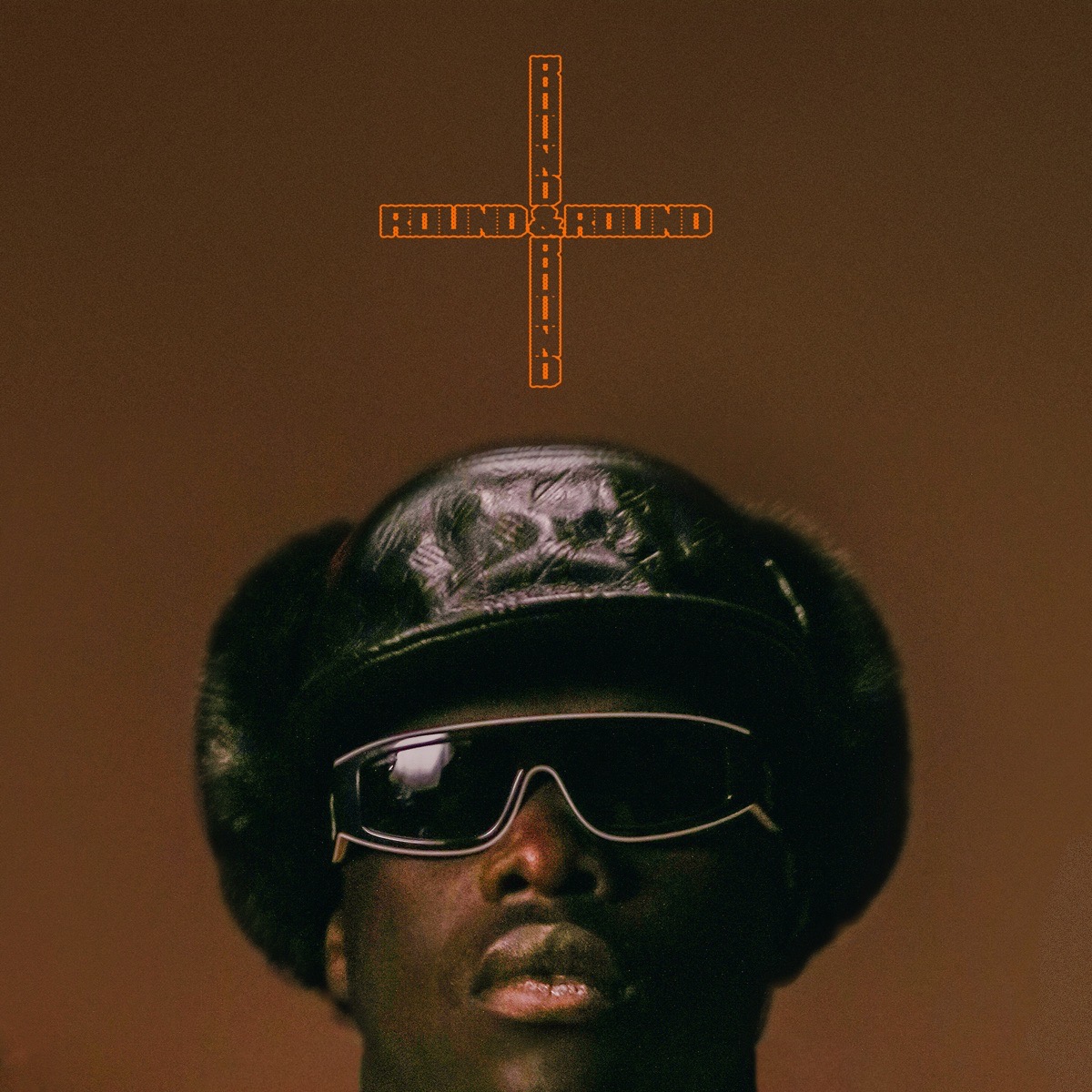
There is a particular cruelty in being very good at something within the orbit of someone who is transcendently famous. Majid Jordan, the Toronto R&B duo of Majid Al Maskati and Jordan Ullman, have spent over a decade making some of the most sophisticated, beautifully produced R&B music in the world. For most of that decade, the first line of every article about them has mentioned Drake.
The connection is real and the early platform it provided mattered. Acknowledge it and move on, because Majid Jordan's music has long since earned the right to be discussed entirely on its own terms.
The Sound
Majid Jordan make R&B that sounds like driving through a city at night with the windows down. Jordan Ullman's production is clean and spacious, built on synthesizers that shimmer rather than pound, drum machines that suggest rhythm rather than enforce it. Majid Al Maskati's voice sits in the mix like light on water: present, shifting, never quite where you expect it but always where it needs to be.
The specific sonic references are worth naming. The production draws from 1980s boogie and quiet storm, from French house and its emphasis on chord progressions that feel both familiar and slightly displaced, from Balearic pop's commitment to texture over aggression. The bass sits low and warm. The percussion has space around each hit. The harmonic language favors major sevenths and ninths, chords that feel resolved and searching at the same time.
This palette is not random. It produces a specific emotional register: intimate, nocturnal, unhurried. Music that assumes you have somewhere to be but are in no rush to get there. The duo knows exactly what a Majid Jordan song sounds like, and that certainty gives their work a confidence that many contemporaries lack. They are not chasing sounds. They have a sound.
Consistently Excellent, Consistently Overlooked
Their discography is remarkably consistent. The self-titled debut, Wildest Dreams, The Space Between, and beyond represent a sustained quality standard that most artists never achieve across a single project, let alone across a decade of releases. They do not have a bad album. They barely have a bad song. Each project refines and expands their approach without abandoning what makes it work.
The streaming numbers are respectable but not enormous. The critical attention comes and goes. The festival bookings do not reflect their catalog. By almost any measure, Majid Jordan are operating below the level of recognition their talent warrants, and the gap is wide enough to be genuinely strange.
The Problem of Subtlety
Majid Jordan's music does not grab you by the collar. The energy is never manic. The production does not assault. Nothing here is designed for the fifteen-second clip or for algorithmic discovery through novelty. Their songs are growers, tracks that reveal their depth over repeated listens, that sound significantly better on the fifth listen than the first.
In an attention economy that rewards instant impact, this is a commercial disadvantage. The artists who break through tend to be the ones who make you stop scrolling. Majid Jordan make music that rewards the opposite: sustained, focused listening in an environment free from distraction. Their music is structured around emotional accumulation, the way feeling builds through repetition and variation rather than through a single climactic hook. The chorus of a Majid Jordan song does not announce itself as a chorus. It arrives. You notice it has arrived because something in you has shifted. That is a more sophisticated mechanism than most pop music bothers with.
Consider this a recommendation: give them twenty uninterrupted minutes, and do it properly.
The Toronto Factor
Toronto's music scene is one of the richest in the world, and Majid Jordan are central to it in ways that go beyond their commercial profile. They represent the city's capacity to produce artists who are globally sophisticated without being culturally generic. The music sounds like it could come from anywhere and could only have been made by people who grew up in a city where Caribbean, Middle Eastern, South Asian, and North American musical traditions operate in proximity and constant exchange.
Al Maskati's Bahraini heritage is audible not as a surface feature but as a melodic sensibility, an approach to ornamentation and phrasing that gives his vocals a quality that sits just outside the conventions of American R&B. The result is a voice that sounds genuinely singular, recognizable within a single bar.
The OVO Sound association gave them an early platform, but the narrative it created has been difficult to escape. They are not proteges. They are not a side project or a label showcase. They are a fully autonomous creative unit with a vision that predates and will outlast any association. The work demonstrates this. The catalog demonstrates this.
Technical Excellence in a Feeling-Forward Genre
R&B rewards feel over technique, rightfully. But Majid Jordan demonstrate that the two are not in opposition. Ullman's production choices reflect a deep understanding of how sonic space functions emotionally. The decision to leave room in the arrangement, to resist filling every frequency, creates an intimacy that more densely produced records cannot achieve. The listener is drawn forward into the sound rather than having the sound pushed at them.
Al Maskati's vocal phrasing is rhythmically sophisticated in ways that repay close attention. He sits behind the beat in the tradition of classic soul and R&B singers, creating the sense that the emotion is slightly too large for the rhythm to contain. The technique is invisible on first listen, which is what good technique should be. On repeated listens it becomes one of the things you return for.
The Case for Greatness
Majid Jordan belong in the conversation with the best R&B acts of their generation. The production is meticulous without being sterile. The songwriting is emotionally intelligent without being sentimental. The albums reward patience. The live performances, consistently warm, generous, and technically excellent, demonstrate that the studio polish connects to something real.
The gap between their talent and their recognition is one of the stranger anomalies in contemporary music. Great work tends to find its audience eventually, even when the timeline is longer than it should be.
If you have not listened to Majid Jordan properly, not as background music but as the main event, you are missing one of the best things happening in R&B. Start with Wildest Dreams. Stay for the rest.