The Record That Doesn't Exist Yet
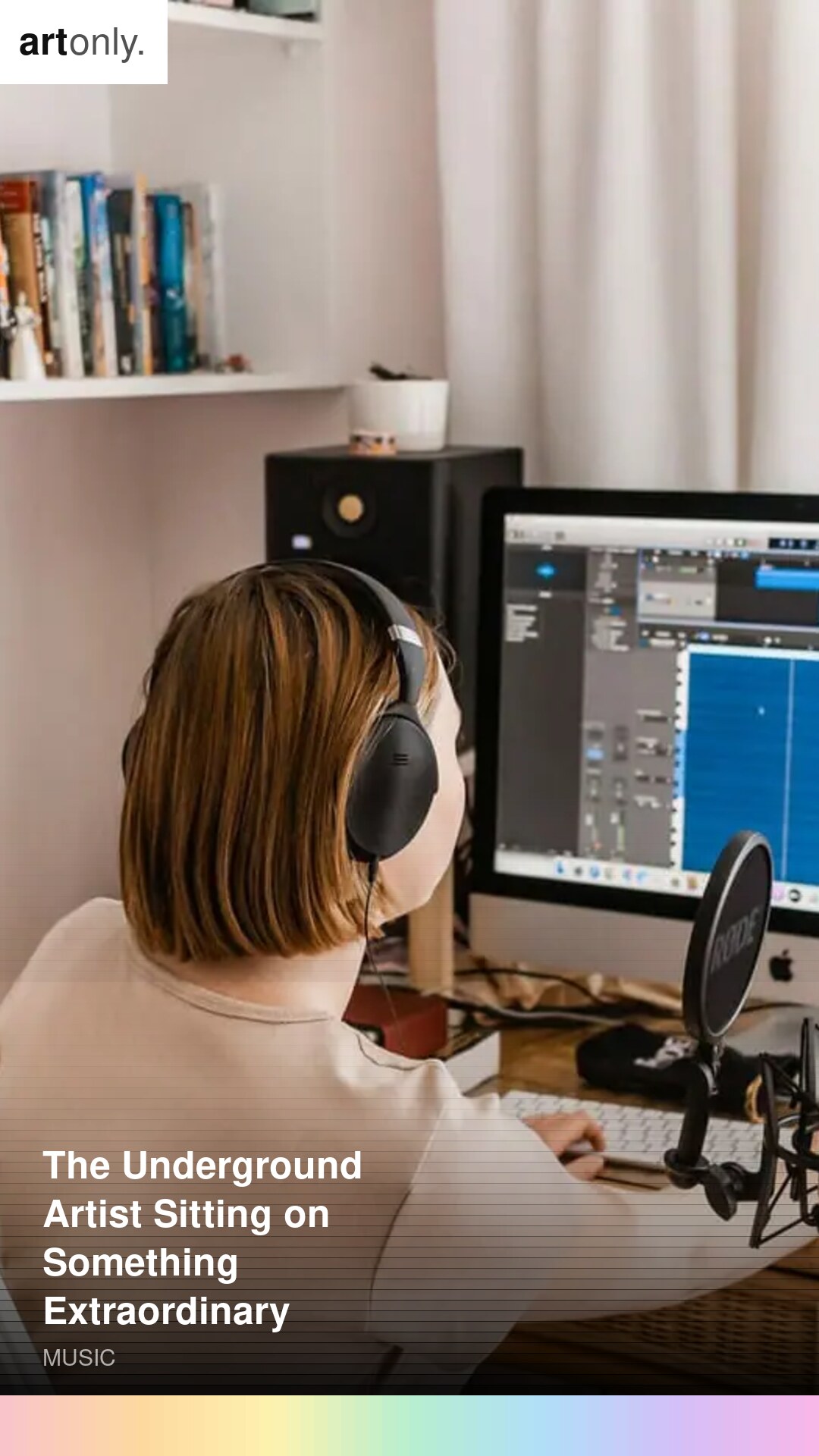
MK XY is not a name most people know. The project, a solo artist based in Manchester whose identity has been deliberately kept vague, with a small body of recorded work circulating through channels that require either significant effort or the right connections to access, has been building something over the past three years that belongs among the more significant unreleased music currently sitting on someone's hard drive.
That is a specific claim. Let me make it more specific.
The recordings I have heard, through a combination of live recordings, shared files, and two brief releases that appeared and then disappeared from streaming platforms before accumulating any real visibility, suggest an artist who has worked out something formal about how electronic music carries emotional content that most artists working in this space have not resolved. The music is patient in a way that has become unusual. Patient in a way that the infrastructure of contemporary music release actively discourages. Willing to develop an idea over a long period of time, willing to let a sound exist without explanation or resolution, willing to trust the listener to stay present for something that does not announce itself immediately.
What Patience Sounds Like Now
The music industry's relationship to patience has inverted over the past fifteen years. Where once a record could develop an audience slowly, building over months and years through repeated listening, the algorithm-driven streaming ecosystem rewards immediate engagement and punishes anything that requires accumulation. This has produced music optimized for the first fifteen seconds. Music that grabs and holds attention by front-loading its most immediately gratifying moments.
MK XY's work refuses this optimization entirely. The recordings start quietly and develop in their own time, following internal logic rather than external demand. There are pieces that spend their first five minutes establishing a texture before anything resembling a melody arrives. When the melody arrives it feels earned in ways that immediate melodies rarely do, because the texture that precedes it has prepared a specific kind of attention in the listener, has tuned the ear to a register in which the melodic material can land with full weight.
This formal patience is either a refusal or a simple disregard for contemporary distribution logic. The distinction matters less than the effect. The effect is music that rewards the kind of sustained, undistracted listening that has become genuinely rare.
Manchester and the Texture of Place
Manchester has a specific relationship to electronic music that is worth being direct about. The city's post-industrial geography, the particular density and weather and architecture of a place shaped by the cotton trade and then reshaped by deindustrialization, produced something in the music that came out of it from the late 1970s onward. Joy Division's sound was inseparable from that environment. The Hacienda's importance was partly about what it meant to build something like that in that place at that moment.
MK XY operates in a different register than any of these, working in laptop-generated electronic music rather than post-punk or rave. But there is something in the tonal quality of the recordings, a particular kind of grey warmth, light filtered through clouds rather than absent, that feels of a piece with that geographical and cultural inheritance. This is not a claim about influence. It is a claim about environment. Sound produced in a place carries that place inside it even when it is not explicitly referencing the place.
The Formal Achievement
The specific formal problem MK XY has been working on, as best I can reconstruct it from what I have heard, is how to make electronic music that carries genuine emotional weight without relying on the conventional emotional grammar of the form. Most emotionally affecting electronic music achieves its effects through familiar means: the drop, the build, the use of human voices processed until they are just barely recognizable as human, the strategic deployment of nostalgia through sample choice. These are legitimate tools. They work.
MK XY uses almost none of them. The emotional content in these recordings comes from something more structural, from the relationship between harmonic material and time, from the way a chord or a tone is allowed to persist long enough to change in meaning, to accumulate resonance through duration rather than through the melodic or rhythmic development placed around it. This is closer to the logic of Morton Feldman than to the logic of contemporary electronic music, and applying it within an electronic production context produces something that genuinely does not sound like other things.
There is a single piece, heard at a small venue in Manchester last autumn, a live electronic performance lasting approximately forty minutes, that I have been thinking about regularly since. It worked through a set of harmonic and rhythmic ideas with a rigour that was moving to watch and hear. I do not have a recording. The piece may not exist in recorded form. I keep returning to it anyway, which is the most reliable indicator I have that something significant was happening.
The Risk of Writing About What Isn't Released
Writing about music that is not widely available is a specific gamble. The artist might never release it widely. The recordings might change substantially between what I have heard and what eventually comes out, if anything does. The enthusiasm I feel might look misplaced when the music reaches a larger audience.
The gamble is worth making because the alternative, staying quiet about things that seem important until they have been validated by larger audiences, represents a failure of critical function. Criticism that waits for consensus is not criticism. It is annotation.
The function of paying attention to music, as I understand it, is to pay attention before the conclusion is obvious and to describe honestly what the attention reveals. What it reveals here is an artist working on a genuine formal problem with seriousness and skill, producing recordings that reward the kind of attention they require. The record should exist. Other people should hear it. The patience required to wait for music that has not been released yet, that might never be released in a conventional form, is the patience of someone who has encountered something real and wants it to reach the audience it deserves.
I hope they get the chance.