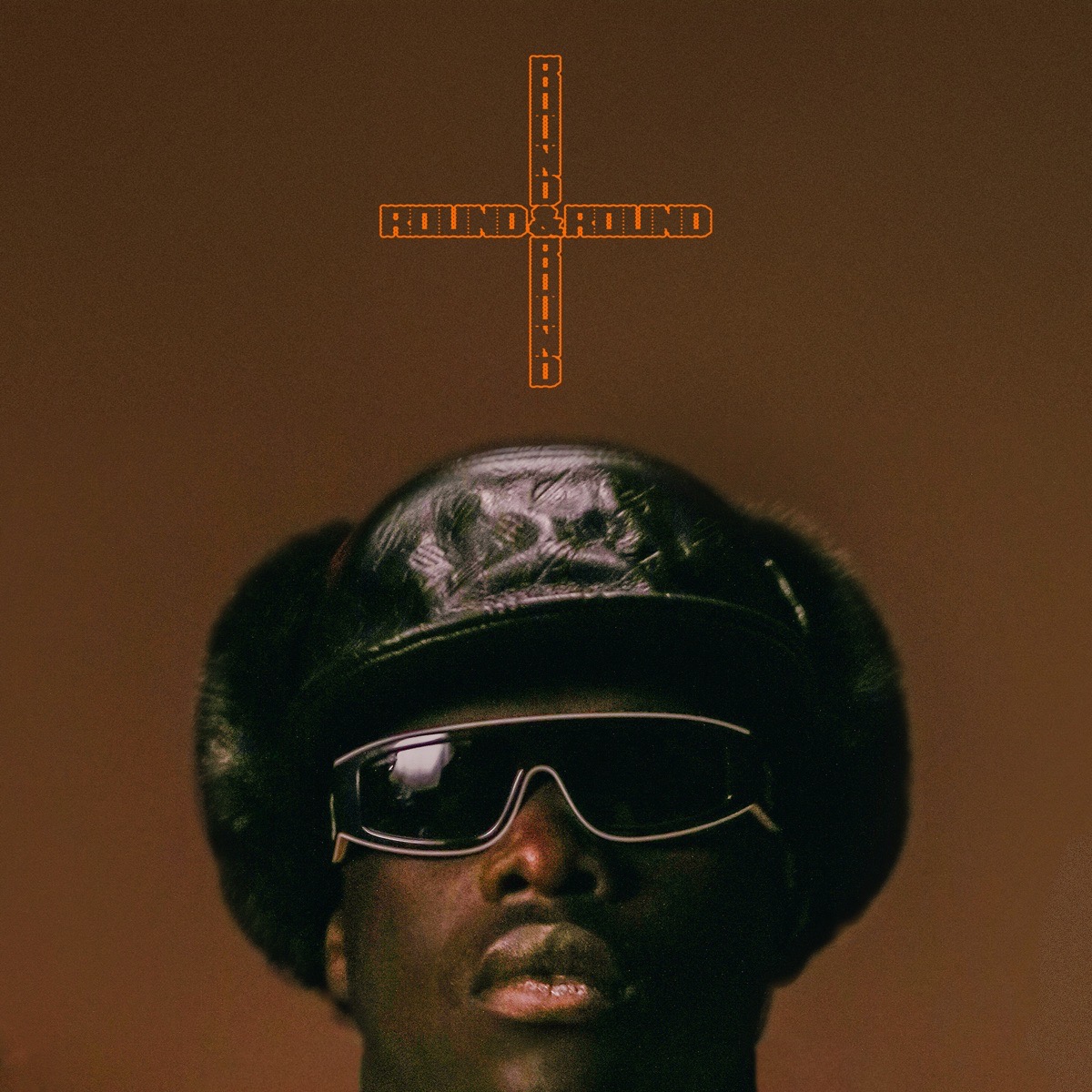
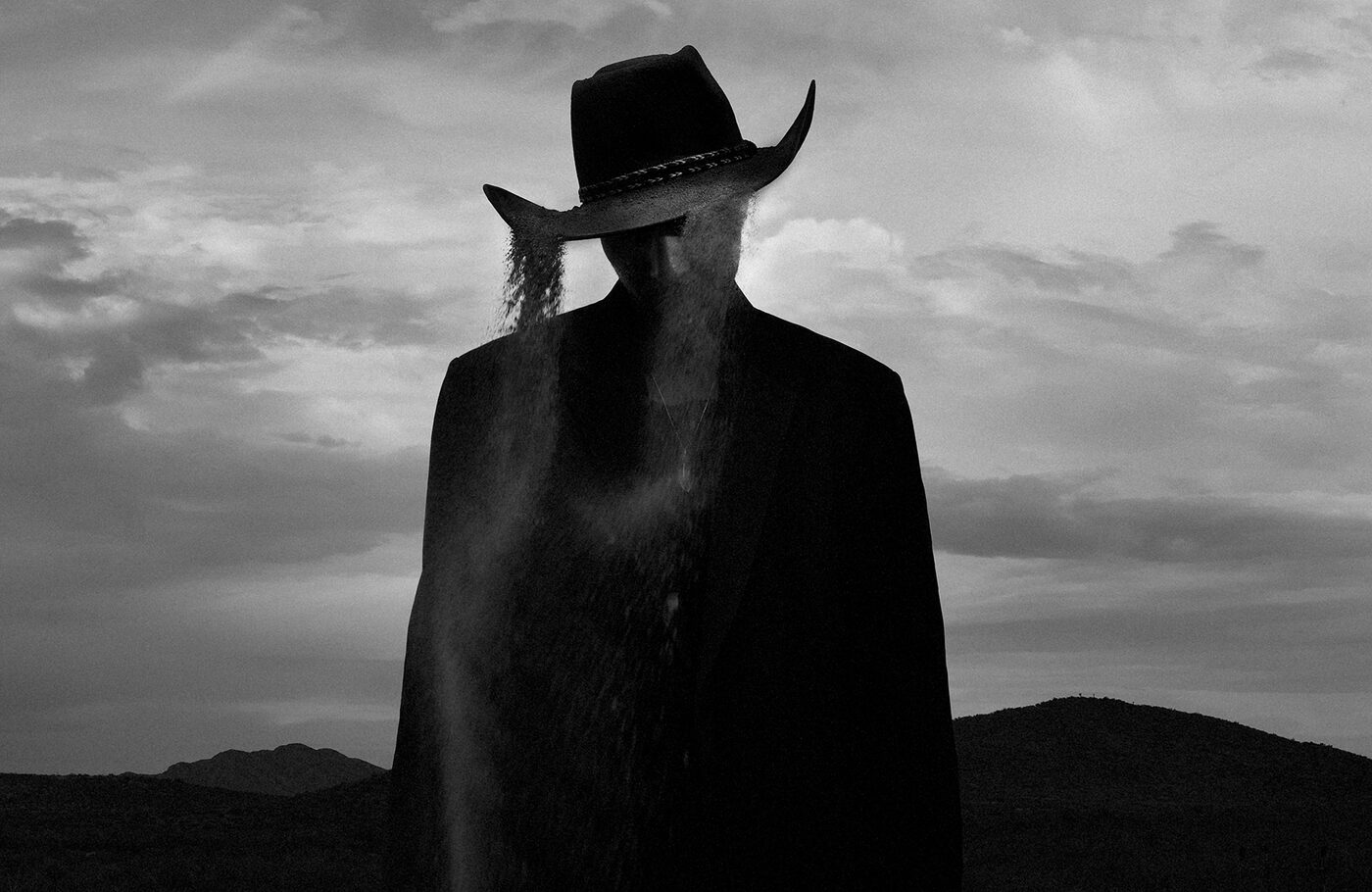
Dogma hit me in the chest before I understood what I was listening to. That's a particular quality of physical music, music that registers in the body before the mind has caught up, and it's rarer than it should be. Model/Actriz make music that is physically confrontational in a way that most contemporary post-punk isn't. The genre has been having a moment, and a lot of what constitutes that moment is cerebral, art-school, clever. Model/Actriz are those things too, but they're also operating at a frequency that is primal in a way that cerebral and art-school music tends to avoid.
Cole Haden's voice is the delivery mechanism. It's a voice that sounds like it's being used at the limit of what a voice can comfortably do, which creates a specific kind of tension: will it break, will it crack, will it turn into something other than singing. That tension is part of the music's effect. Post-punk vocalists who operate in this register often sound like they're performing danger. Haden sounds like he's in it. The distinction matters. Performed danger is legible, manageable, entertaining. Real danger unsettles, and Dogma unsettles from the first thirty seconds.
The band around him is extraordinary. The rhythm section creates the physical pressure that the music runs on. The drumming is precise and violent in equal measure. The bass is not decoration; it is architecture, load-bearing and insistent, the kind of bass playing that makes you aware of your own sternum. The guitar work is post-no wave, channelling something like Teenage Jesus and the Jerks or DNA in its willingness to use texture and noise as primary ingredients rather than supplementary flavouring. This is a genuine aesthetic lineage, absorbed and metabolised into something contemporary and urgent.
The Body as Site
There is a strand of post-punk that has always been interested in the body as a site of cultural politics. The disco-punk of the late 1970s and early 1980s, the music of artists who understood that the body on the dancefloor, the body in the mosh pit, the body in the audience is a body with a history and a politics. Model/Actriz make music that is fully aware of this history. Dogma is an album about the body: its needs, its shame, its desire, the way it is subject to external control and can become a site of resistance against that control.
The Catholic Church looms over the record without being its only subject. Dogma, as a concept, covers every system that tells you what your body is for and what it is not, every framework that assigns shame to natural function, every institution that requires the surrender of physical autonomy as the price of belonging. Haden approaches this not as a polemicist but as someone living inside the contradiction, which makes the songs more interesting and more uncomfortable than a straightforward critique would be.
The lyrics operate at a level of intensity that matches the musical intensity, which is not a given. Plenty of intense-sounding bands have anodyne things to say. Haden's words are not anodyne. They're uncomfortable in ways that feel intentional and productive, that make you sit with something you might rather look away from. That discomfort is part of what the music is for.
Sonics and Structure
The production on Dogma deserves specific attention. The choices about space and saturation are central to the album's effect. There are moments where everything closes in at once, where the mix becomes a single pressurised mass, and moments where it opens suddenly into something like negative space. That contrast is doing emotional work. The loud parts are louder because of the quiet parts. The quiet parts are more frightening because of what just happened.
The song structures resist the kind of verse-chorus logic that makes post-punk records easy to navigate. Tracks build toward something and then do something unexpected with the energy they've accumulated. "Mosquito" escalates for what feels like longer than it can sustain, then escalates further. "Amaranth" pivots from noise to an almost liturgical stillness. The record keeps you off balance in a way that mirrors its lyrical content, which is itself about being off balance, about existing in a state of intensity that ordinary structural logic can't quite contain.
On Post-Punk in 2024
Every post-punk revival generates the same argument: whether the new work is genuine or nostalgic, whether it's in conversation with the original moment or merely costuming itself in it. This argument is less interesting than the work itself, and Model/Actriz's work is more interesting than any argument about post-punk. They're not doing a nostalgia exercise. The music is too urgent and too specific to its own moment for that.
The New York scene from which they emerged, the DIY infrastructure of venues like Market Hotel and Elsewhere, the particular pressure of making confrontational art in a city that is simultaneously the cultural capital of everything and increasingly economically hostile to the kind of artists who make confrontational work: all of that is in the music without being announced. Dogma doesn't explain its context. It is its context.
What Model/Actriz have that most post-punk bands lack is the willingness to be genuinely exposed. The confrontation goes both ways, toward the audience and toward themselves. The lyrics on Dogma are confessional in a way that requires actual courage, not the performed courage of a persona constructed to seem transgressive, but the real kind that comes from saying true things about difficult experience in a form where many people will receive them. That exposure is what the music is built on. Without it the aggressive sonics would be posture. With it they're necessary, the severity of the sound matching the severity of what's being said.
The confrontational quality is what demands return. A lot of contemporary music is designed to be palatable, to cause no friction, to succeed at reaching the maximum number of people by not demanding too much from any of them. Dogma demands something. It asks you to stay in a room where it's slightly too hot and the music is slightly too loud and something is being said that you're going to have to respond to. You can leave. Or you can stay, and the staying changes something.