Mat Senechal did not plan any of this. The Montreal producer and multi-instrumentalist who performs as Noche spent years behind the scenes as Charlotte Cardin's bassist, musical director, and co-writer, helping build one of Canada's biggest pop acts from the ground up. Platinum records. Juno Awards. Global tours. He was the person making everything work while someone else stood in the spotlight.
Then he started posting videos of himself making remixes from scratch using nothing but YouTube clips, and everything changed.
The YouTube Sampling Videos
The concept is deceptively simple. Noche sits in front of a screen, pulls up YouTube videos, and live-samples them into full productions in real time. No pre-made stems. No studio trickery. Just a producer with taste and technical skill turning raw internet footage into house tracks, French house edits, and pop remixes that sound like they took weeks to build.
The videos went everywhere. TikTok. Instagram. The format is inherently watchable because you can see the creative process happen in real time. When he remixed Charlotte Cardin's Feel Good into a Fukumean-laced house edit, or flipped a Tate McRae vocal into something unrecognizable, people understood immediately that this was not someone learning in public. This was a professional revealing what he had been capable of all along.
What the videos demonstrated beyond the technical skill was the production philosophy underneath it. Senechal works fast because he has internalised the harmonic and rhythmic logic of French house deeply enough that the decisions happen at a near-instinctive level. He knows where the sample wants to go before he has figured out how to get it there. That kind of fluency takes years to develop and looks effortless when it is fully developed.
When it all ends
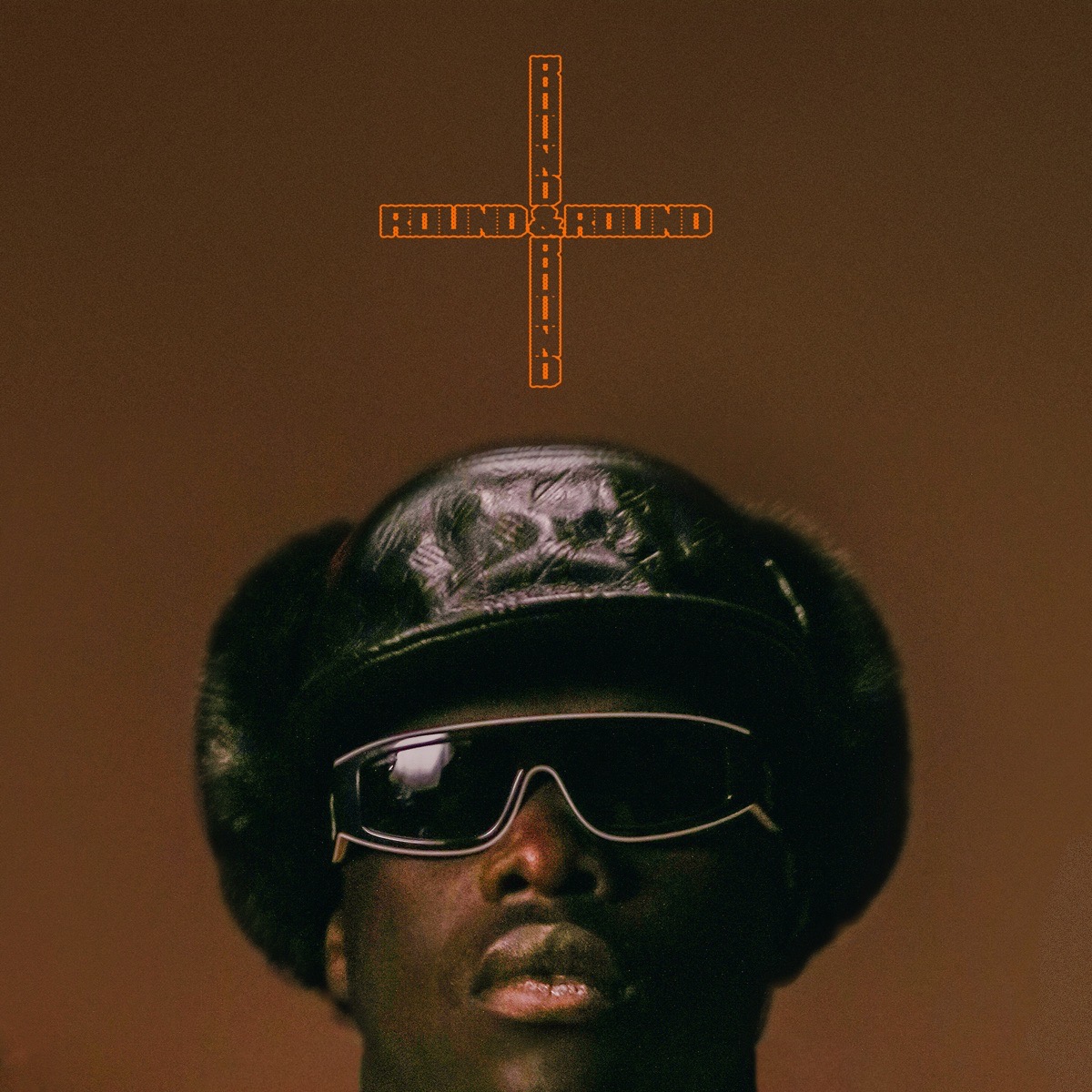
In March 2025, Noche released When it all ends (part 01), a nine-track project that proved the solo work was more than a social media moment. Built with members of the Strings from Paris collective alongside artists from the Montreal and Toronto scenes, the project moves between electronic production and live instrumentation with the confidence of someone who has spent a decade on stages.
The album features collaborations with Nia Nadurata, Memblem, and Quinn Mills. Tracks like ELO, The Way It Was, and Your Love sit between French house warmth and something more introspective. It is not a DJ record. It is not a pop record. It is a producer's record made by someone who understands both worlds and refuses to choose between them.
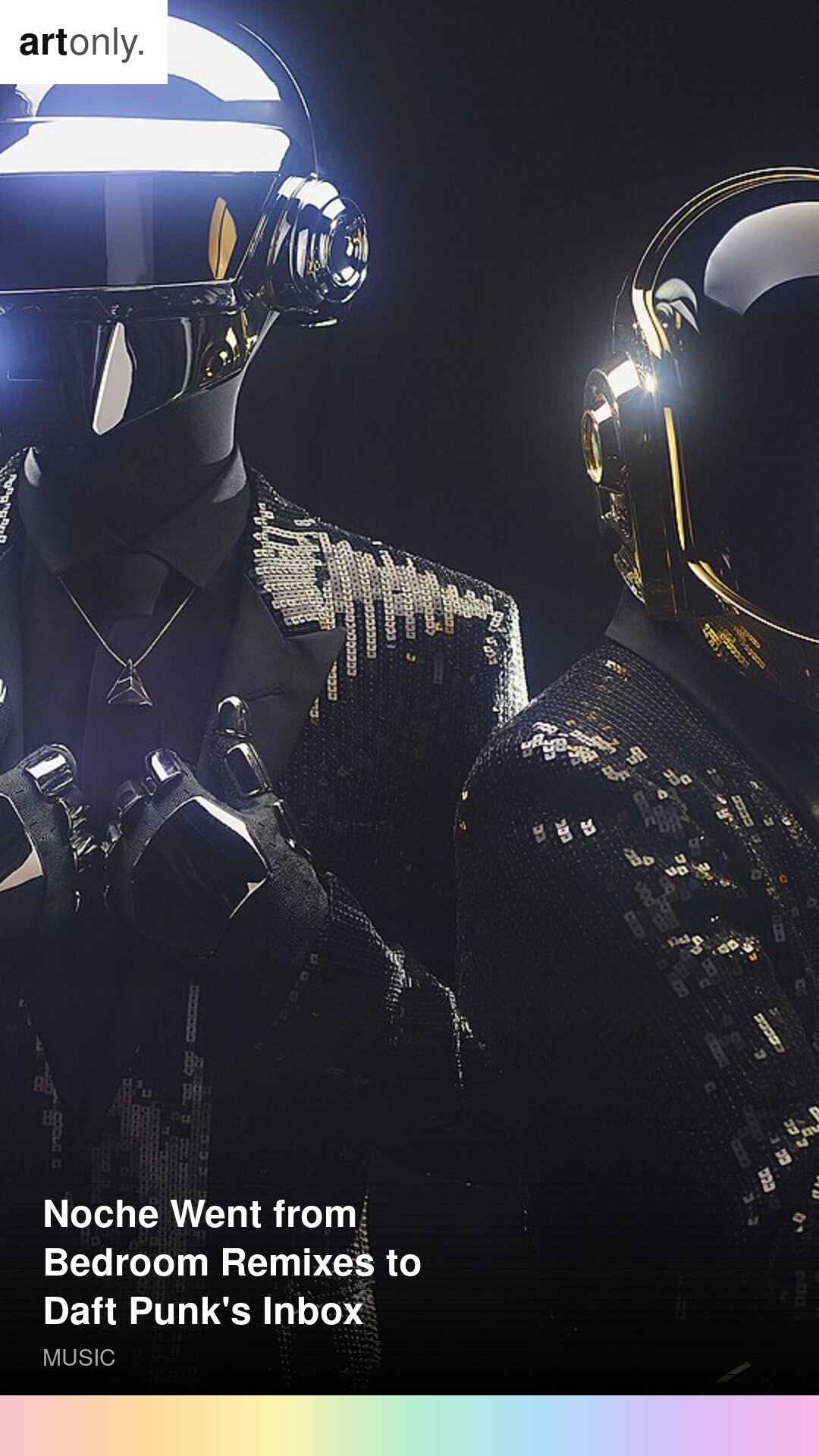
The French house reference is worth dwelling on. That tradition, from Cassius and Daft Punk through to Justice and beyond, is built on a specific relationship between sample and structure: the source material is not hidden or transformed beyond recognition but rather elevated, given a new context that makes its original emotional content more vivid rather than obscured. Noche works in this tradition. His productions feel like acts of curation as much as creation.
Daft Punk Called
There is a specific moment in every independent artist's trajectory where the validation shifts from audience to peers. For Noche, that moment came when Daft Punk reached out to him personally. Not through management. Not through a label. Direct contact from the most influential electronic duo in history, acknowledging what he was building.
By his own account, it blew his mind. And it should have. Daft Punk defined the exact sonic territory that Noche operates in. French house. Sample-based production. The intersection of electronic music and pop accessibility. To receive recognition from the architects of that sound is not a career milestone. It is a creative confirmation.
The Broadcast Moments
The trajectory accelerated beyond the internet. Noche's music landed television placements and broadcast spots, including features during World Series coverage involving the LA Dodgers and the Blue Jays. For a producer who was making YouTube sampling videos months earlier, hearing his work during one of the biggest sporting events in North America represents a compression of timelines that rarely happens in music.
What Comes Next
Noche currently sits at 243,600 monthly listeners on Spotify. His following across TikTok and Instagram exceeds 175,000 combined. He is performing at Festival d'ete de Quebec in July 2025. The numbers are growing because the work justifies them.
What makes Noche's rise notable is the path. He did not emerge from a label development deal. He did not have a viral moment manufactured by a marketing team. He built credibility over a decade as a collaborator, developed a production voice that was distinctly his own, and then let the internet find it.
Noche is in the position that every independent producer wants to reach but almost none achieve. He has the audience, the critical recognition, the broadcast placements, and the creative freedom to do whatever he wants next. Part 02 of When it all ends is presumably on the way. The live show is building. The festival circuit is opening up.
The most interesting thing about Noche is that he does not seem interested in optimising any of it. He is still posting production videos. Still showing the process. Still treating the audience like collaborators rather than consumers. In an era where most artists guard their creative process like a trade secret, Noche has built his entire identity on transparency. Daft Punk noticed. The question is not whether Noche will break through. He already has.
The Longer Game
Independent music has a gravity problem. The pull toward commercial viability, toward the version of yourself that more people will find accessible, exerts constant pressure on any artist who has found an audience. Most artists respond to that pressure eventually, adjusting the work toward the center. Noche's choice to turn down a label contract while simultaneously achieving the kind of exposure that most independent artists build entire careers hoping for is a statement about priorities that deserves to be taken seriously.
The bedroom remixes series was not just content strategy. It was a demonstration of values: the belief that the process of making music is as interesting as the product, that showing work has artistic as well as promotional value, that the community of listeners and collaborators is worth more than the scale that a label could provide. Daft Punk understood something similar. They controlled their image and output with a completeness that most artists in their commercial position do not achieve. Noche is not Daft Punk, but the attention they paid to his work suggests they recognised something of their own philosophy in his approach. That recognition is not nothing.
What he builds next, the music that comes after the cultural moment of the sampling video and the Daft Punk call, will be the real test of whether the artistic identity he has built is durable. The bet, based on everything he has released and everything he has refused, is that it is.