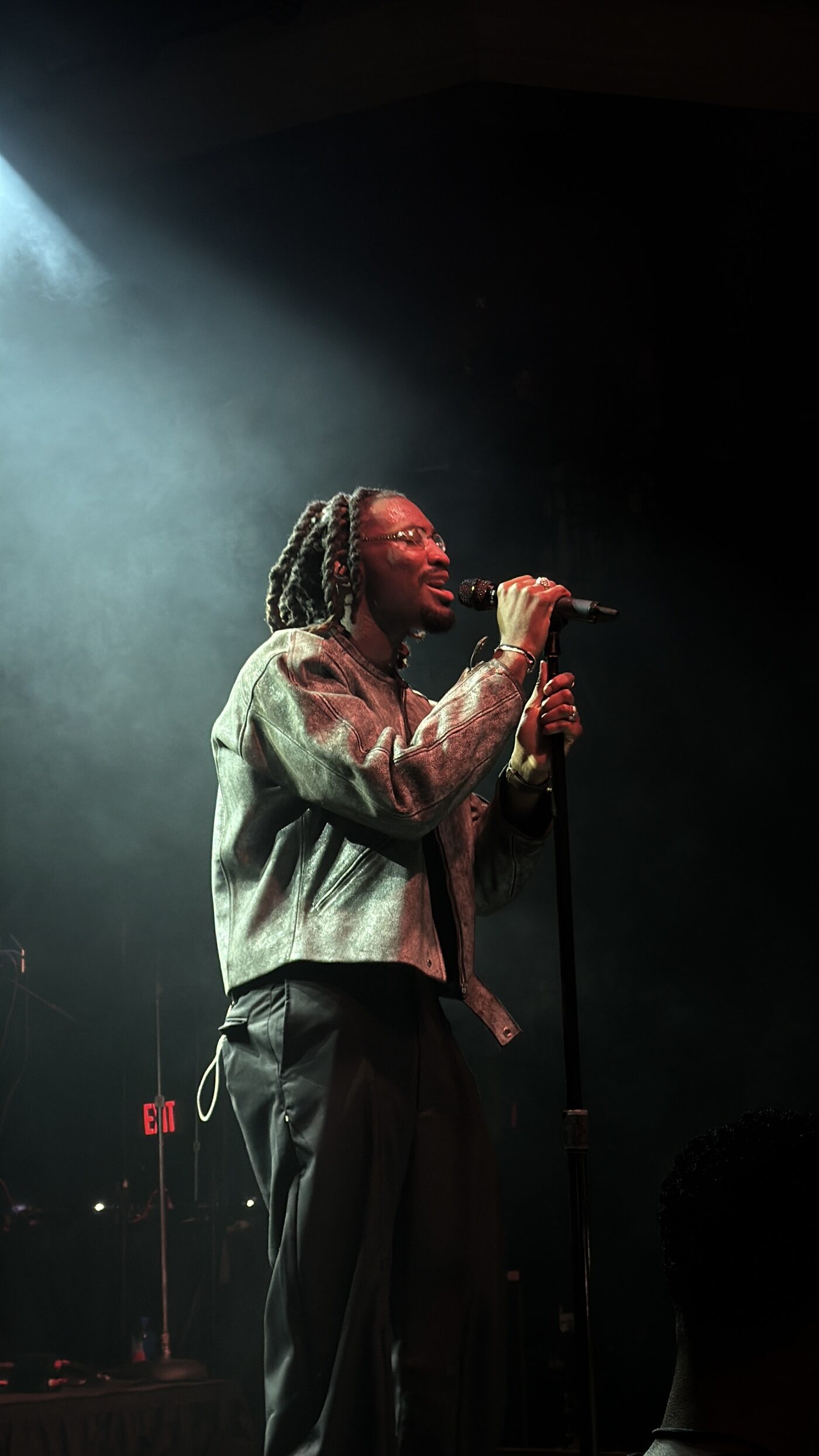
The Nomad Sound That Has No Fixed Address
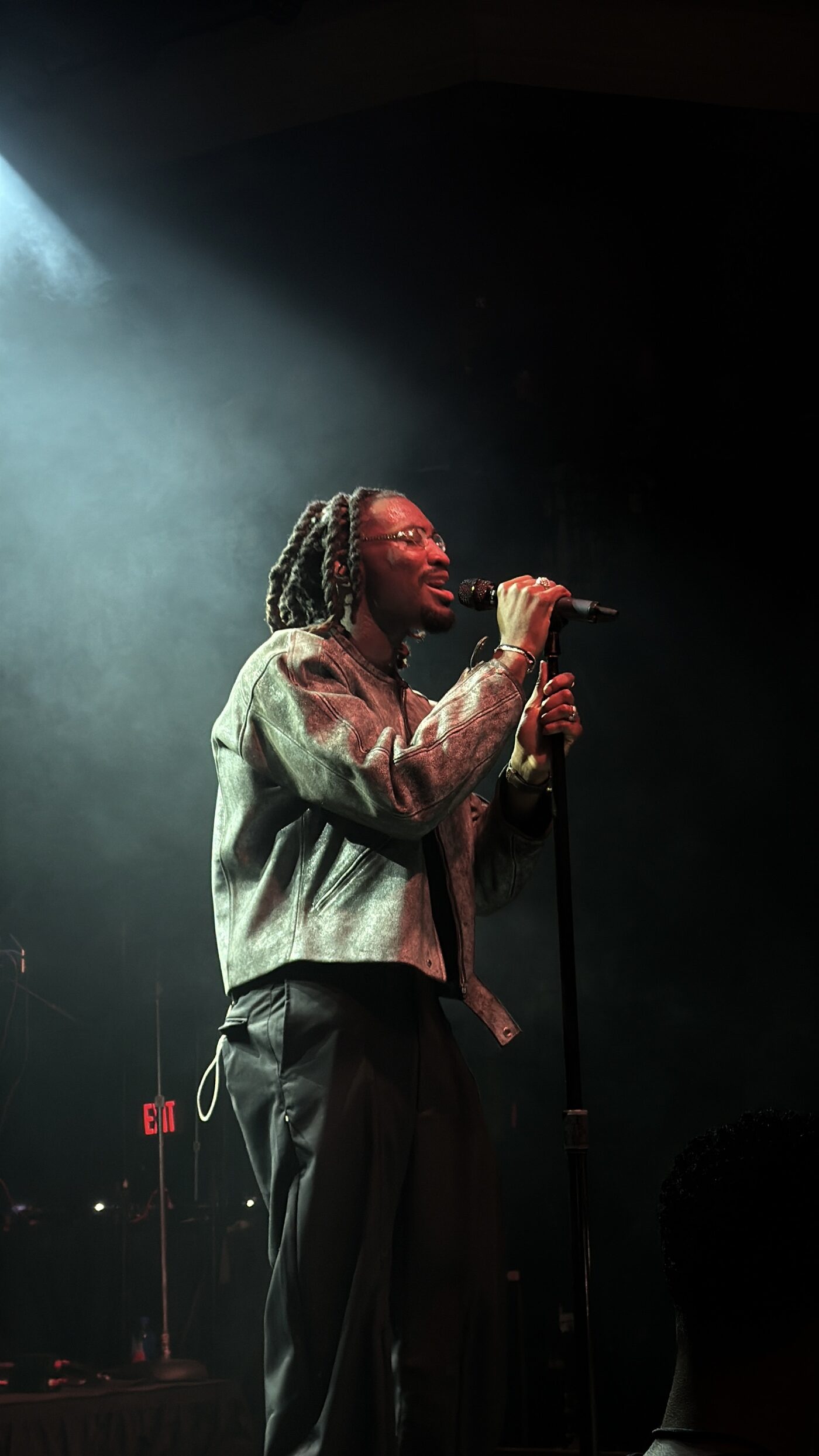
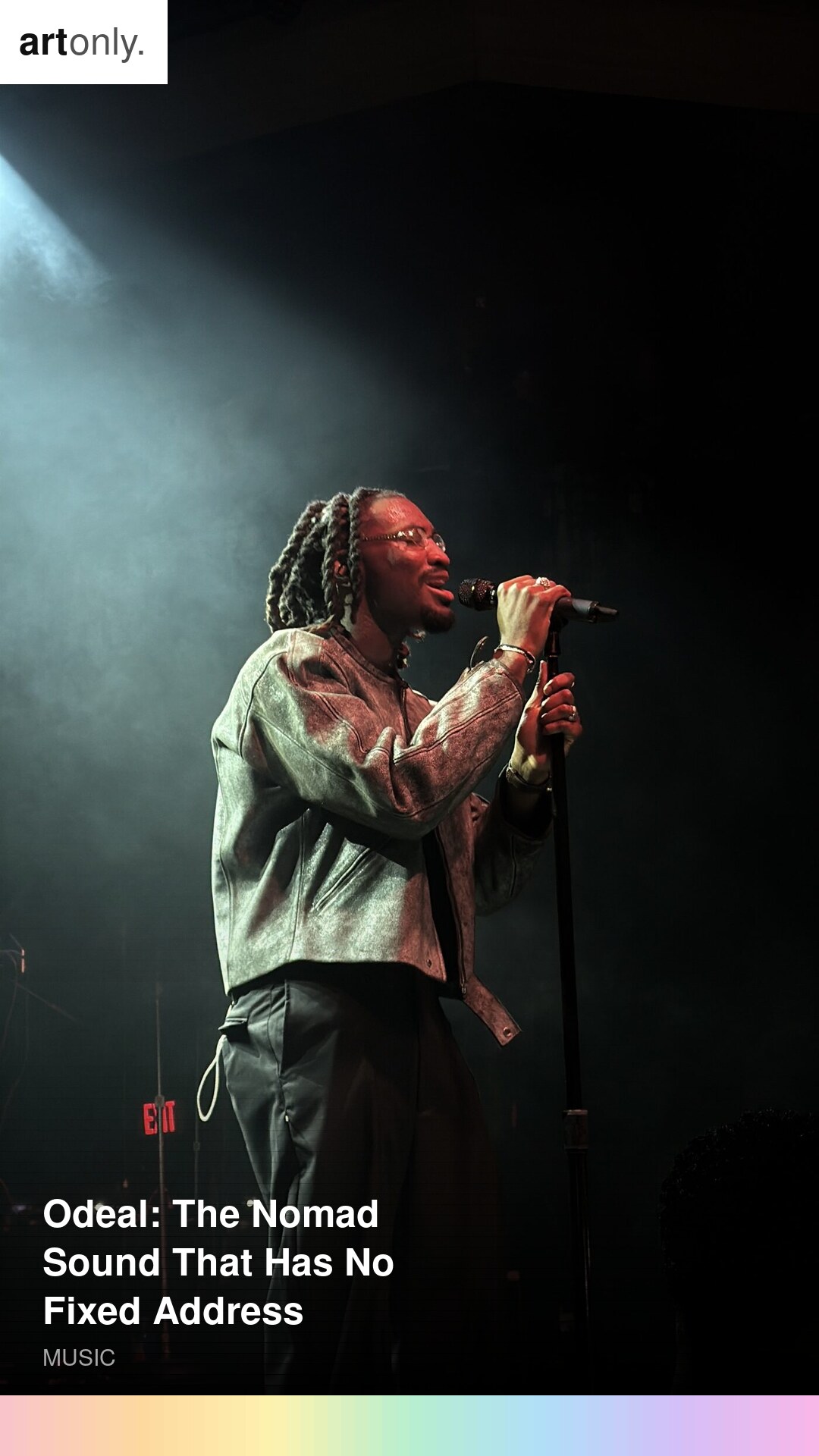
Odeal grew up across four countries before he was twenty. Germany, Spain, Nigeria, the UK, not as tourist stops but as lived-in places, with languages and rhythms absorbed along the way. You can hear that in his music. "Miami" featuring Leon Thomas has a warmth that does not belong to any single coastline. "Soh-Soh" went viral on TikTok and peaked at number three on the UK Afrobeat chart because it works on both the headphone and the dancefloor level simultaneously. That is a specific skill.
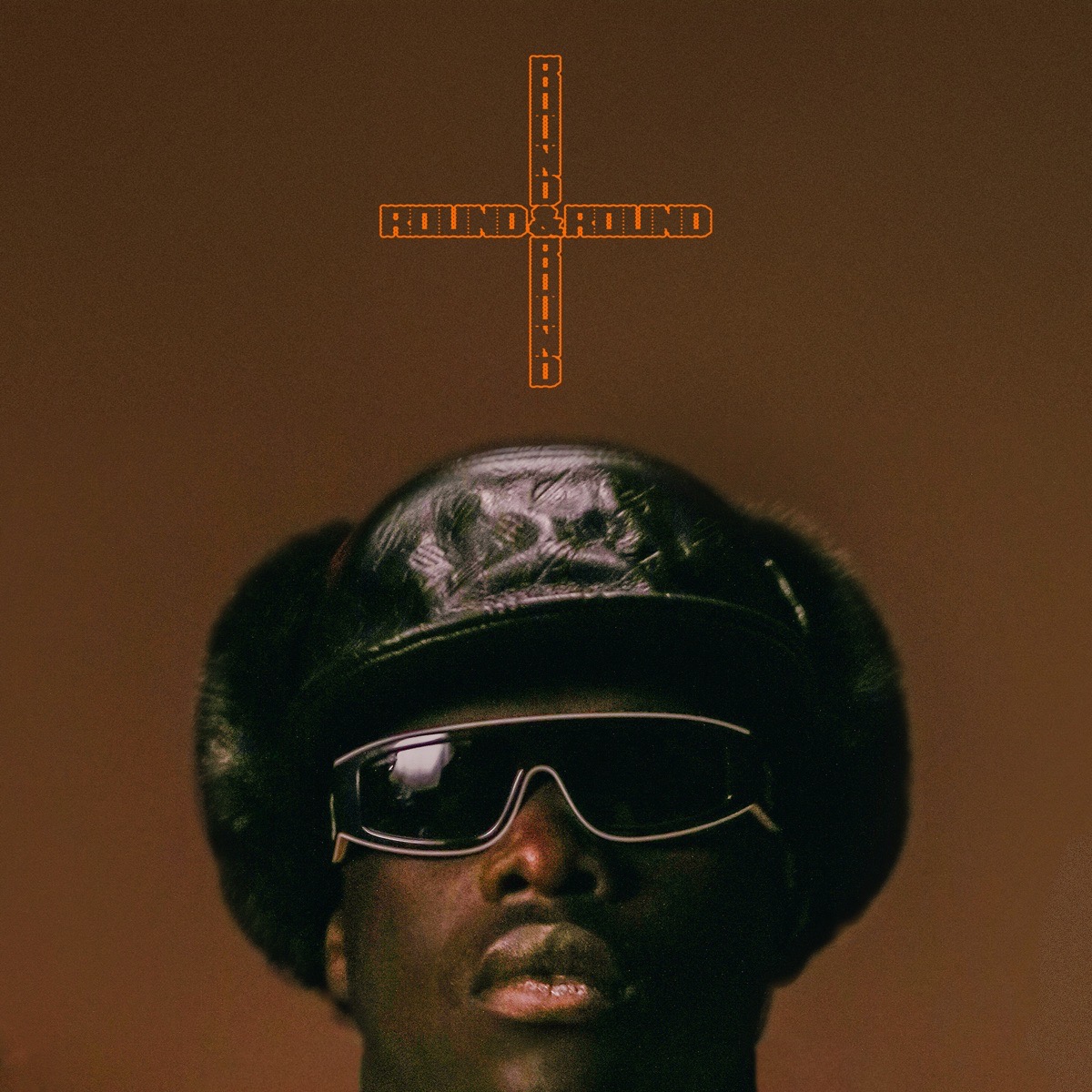
His debut album Lustropolis is the fullest picture of what he is doing: Afrobeats infrastructure with R&B melody and a European sense of restraint applied over the top. It is a genuinely hybrid record, not hybrid in the way that phrase usually gets used as a marketing word, but hybrid in the sense that none of its influences are decorative. They are structural. "Nights in the Sun" featuring Wizkid sounds like a natural handshake between Lagos and London. "London Summers" takes its time in a way most current R&B cannot afford to.
The Production Logic of Lustropolis
The album's title combines luster and metropolis, which is a precise description of its sonic character. There is a sheen to the production that is not the same as polish. Polished records have had their edges removed. Lustropolis has edges, but they catch the light. The mixing decisions leave space for the texture of the performances to come through, the specific grain of Odeal's voice, the way certain instruments breathe in the mid-range, the sub-bass frequencies that make the tracks move differently at volume.
Producing largely with collaborators from the London and Lagos scenes, Odeal has assembled a record that understands the specific chemistry of contemporary Afrobeats production: the way high-pitched percussion sits against low-end weight, the way call-and-response vocal structures create tension and release, the way melodic lines in the guitar or keyboard can carry narrative information that the lyric leaves implicit. These are compositional techniques refined over decades in West African popular music, and they require fluency to use rather than just reference.
The R&B dimension is equally serious. American R&B in its contemporary form, the lineage from Frank Ocean through to the current generation, has developed a specific relationship between vocal melody and harmonic complexity: the voice navigates chord changes in ways that feel like improvisation even when they are carefully written. Odeal carries this approach into an Afrobeats rhythmic context, which is not a combination that many artists have successfully executed. The risk is that one tradition subsumes the other. On Lustropolis, they remain distinct and in conversation.
The MOBO Moment
In 2025 he took home two MOBO Awards, Best Newcomer and Best R&B Act, and earned a BET nomination. Sony Music Publishing signed him. Billboard named him African Rookie of the Month in January. None of it felt like hype catching up to the music; the music was already ahead.
Awards matter in music not because they confirm artistic value, which they do inconsistently at best, but because they change the conditions of reception. When Odeal picked up the MOBO for Best R&B Act, he was placed in a lineage that includes artists who have defined British R&B across three decades. That placement is an invitation to be taken seriously as part of a tradition, not just as an emerging act with an interesting background.
The 4.2 Million Listener Question
At 4.2 million monthly listeners, Odeal is graduating from emerging to arrived. The number matters less than what it represents: a base of people who came back. Monthly listener counts are a measure of retention as much as discovery. Listeners who found "Soh-Soh" on TikTok and then stayed to follow the album, to stream "London Summers" on a Tuesday morning, to add "Nights in the Sun" to a playlist they return to: those are the listeners who build a career rather than a moment.
Arrive anyway. You will want to have been there from the beginning.
The Architecture of Lustropolis
What Odeal builds in the Lustropolis project is not just an aesthetic but a conceptual framework. The term itself, fusing lustre with a civic structure, suggests something both material and imaginary: a place where R&B and electronic production and ambient texture are the native languages, where the emotional register of longing and pleasure and displacement coexist without contradiction.
The architecture of the project is deliberate. Odeal thinks about sequencing, about how one track prepares the listener for the next, about the experience of listening across the whole rather than the individual track in isolation. This is an album-maker's approach in a moment when most music is made and consumed in fragments. The decision to maintain that structural ambition is itself a statement about what music can be for.
The Nomadic Frame
The nomadic identity that Odeal inhabits in this music, moving between traditions, between emotional registers, between the explicit genre categories that the industry uses to organize distribution, is not a lack of fixed position but a strategic refusal of premature settlement. Genres are useful until they constrain. Odeal uses them until they constrain and then moves. The result is music that resists easy categorization while remaining deeply readable to anyone who has traveled through the same sonic territories.
The R&B that grounds the project is not the commercially dominant contemporary version, not the trap-influenced, streaming-optimized form that dominates playlists. It is something older and stranger: the R&B of slow jams and late-night feeling, of music made for states of attention that most contemporary production does not assume the listener has. Odeal assumes you can listen. The music rewards the assumption.
The audience that finds this music will not be the largest audience. It will be the right one. There is a difference, and Odeal seems to understand it. The work is made for depth of connection rather than breadth of reach, and the Lustropolis project is the fullest expression of that decision so far.