Six Awards and a Reckoning
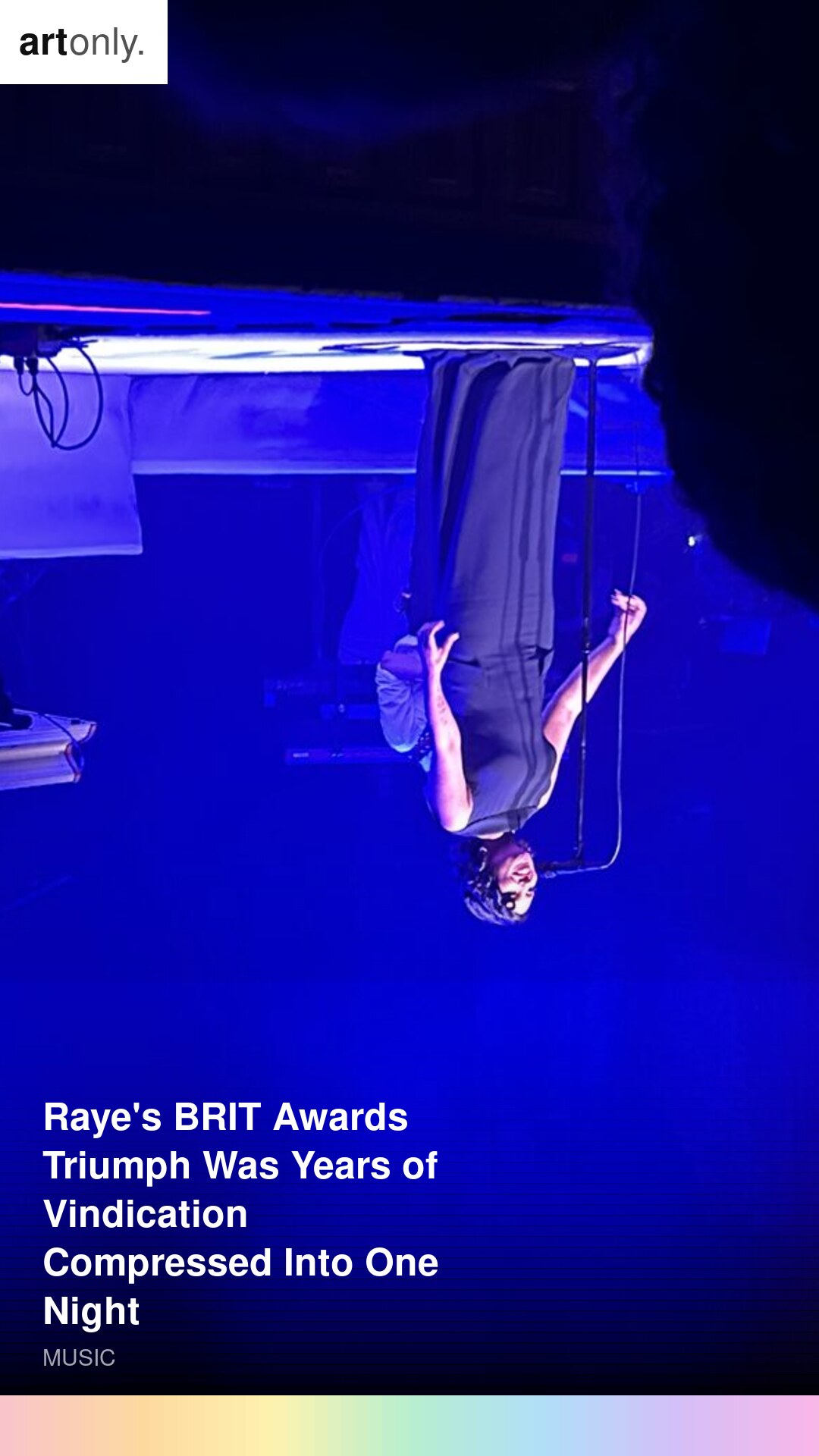
When Raye walked away from the 2024 BRIT Awards with six trophies, it was not simply a career milestone. It was the music industry being forced to confront its own dysfunction in real time. Here was an artist who had publicly detailed how her former label suppressed her debut album for years, who had spoken openly about being pigeonholed into writing hooks for other artists while her own creative vision was shelved indefinitely.
The Long Road
Raye's story is not unique in its broad strokes. The music industry has always been littered with artists whose labels signed them, extracted value, and then refused to let them release the work they actually wanted to make. What made Raye's situation different was her willingness to speak about it publicly while still navigating the industry. She did not wait for a memoir. She did not frame it as a retrospective grievance. She named it in real time, on social media, with specificity.
My 21st Century Blues
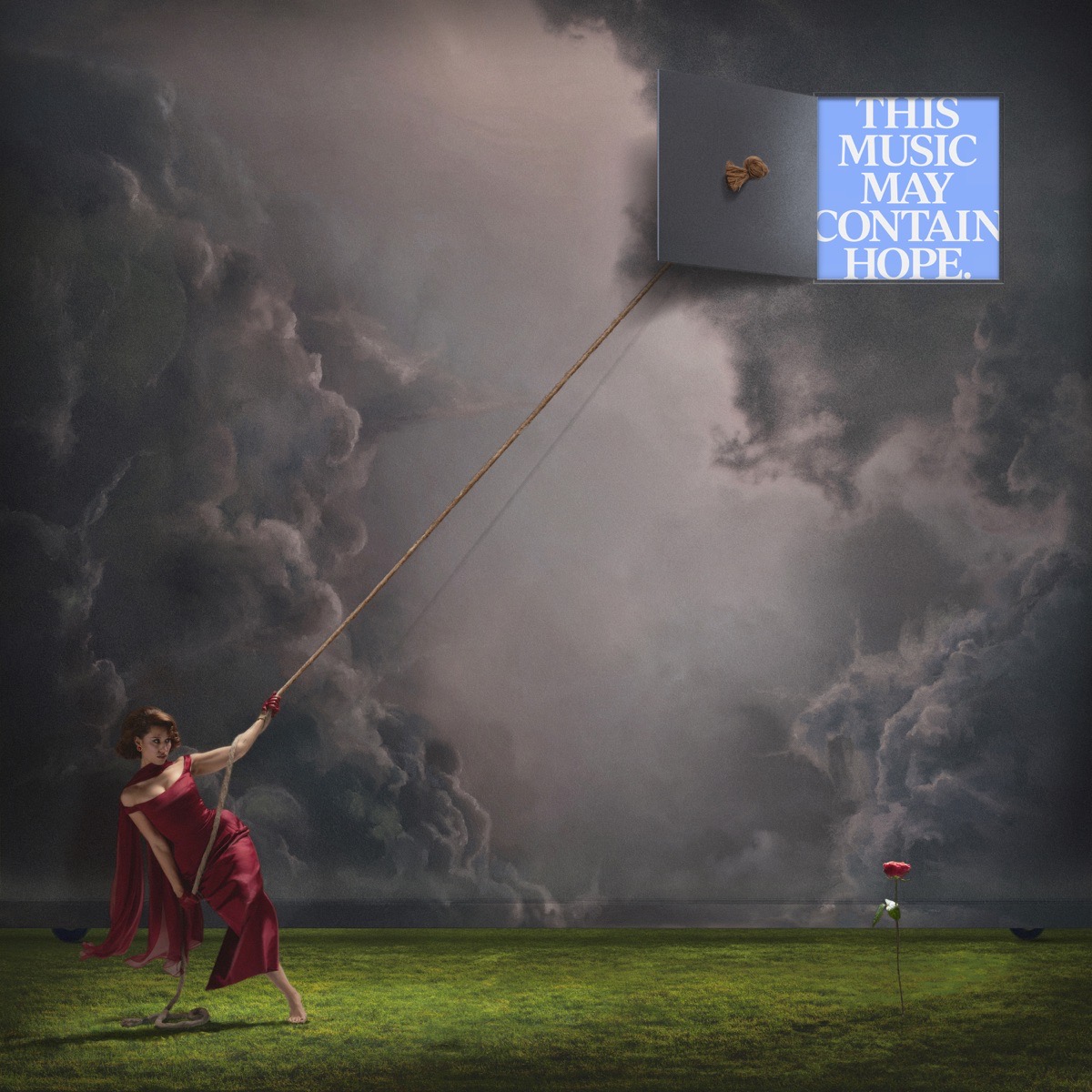
Her debut album arrived in 2023 as both artistic statement and proof of concept. It was sprawling, genre-fluid, emotionally raw, and commercially successful. The album moved between dance music, R&B, orchestral arrangements, and confessional balladry with a confidence that made the years of label interference seem all the more absurd. This was never an artist who needed development. She needed to be left alone.
What the BRITs Meant
The awards ceremony itself became a theatrical vindication. Each acceptance speech carried weight. Raye was visibly emotional, and the audience response suggested a collective awareness that this was not just about one night. The British music press, which had largely ignored her during the label disputes, suddenly discovered her narrative was compelling.
The Bigger Picture
Raye's triumph matters because it provides a counter-narrative to the industry's preferred story about artist development. The system did not nurture her. It obstructed her. Her success arrived despite the machinery, not because of it. That distinction is worth remembering the next time a label executive talks about investing in talent.
The Record Label System and Its Structural Problems
Raye's experience with Polydor Records, which she publicly named as the label that suppressed her album through multiple delays and contractual obstacles, is a specific instance of a general problem. Major labels operate on a portfolio logic: they sign more artists than they can develop, with the expectation that a minority will generate returns sufficient to cover the losses on the majority. Within this model, the individual artist's creative timeline is entirely subordinate to the label's commercial calculations.
The result is a structural incentive for exactly what happened to Raye. A label that signs an artist who can write hooks for other artists has an economic interest in keeping that artist in the session room rather than releasing records that might compete with the artists they are writing for. Raye's public account of being told her music was not commercial enough while simultaneously writing the hooks that appeared on commercially successful records by other artists is not an anomaly. It is the system working as intended, from the label's perspective.
What changed for Raye was not the system. It was the leverage. When she built a public audience for the story of what had happened to her, the cost of continued suppression became higher than the cost of releasing the album. My 21st Century Blues arrived because the label calculation shifted, not because the label's values did. That distinction is important, and it is worth keeping in mind as her success is described as a victory for the system rather than a victory over it.
The Songwriting Credit Problem
Raye's work as a songwriter for other artists, a practice that was partly forced on her and partly a genuine creative interest, illuminates another structural issue in the music industry: the invisibility of the writer behind commercially successful recordings. British pop has always depended heavily on professional songwriters who are known within the industry but invisible to general audiences. Raye knew how this invisibility worked because she had been embedded in it.
The irony is that the songwriting work that was supposed to delay her career became part of what gave her story its weight. When she described writing the hooks that defined other artists' careers while her own album sat unreleased, it landed because listeners could verify independently that the songs she referenced existed and that her writing credit was documented in them. This specificity transformed a narrative about industry mistreatment into evidence of systematic exploitation.
Her BRIT acceptance speeches were effective precisely because they did not rely on vague accusations of being held back. They could point to specific songs, specific delays, specific contractual mechanisms. The industry's response, the awards themselves, the sudden press attention, was not generosity. It was the recognition that the specificity had made the story unavoidable.
The British Female Artist Moment
Raye's triumph at the BRITs happened alongside a broader moment in British pop music where female artists were redefining the genre's terms. The comparison to Billie Eilish's quiet blockbuster approach in American pop is instructive: both artists arrived at major commercial success through routes that the industry had not designed for them, and both made the industry's subsequent celebration of their success feel slightly retrospective. The vindication in both cases came from the audience first, and the institutions followed.
The difference is scale and context. Eilish operated within a system that, whatever its problems, did not actively suppress her work. Raye's victory is harder won and, consequently, carries a different kind of weight. The six BRITs are not just a recognition of talent. They are an acknowledgment, however incomplete, that the years of obstruction were real and that the music that survived them was worth the fight. For every artist currently navigating a similar dynamic with their label, that acknowledgment matters more than the awards it arrived with.