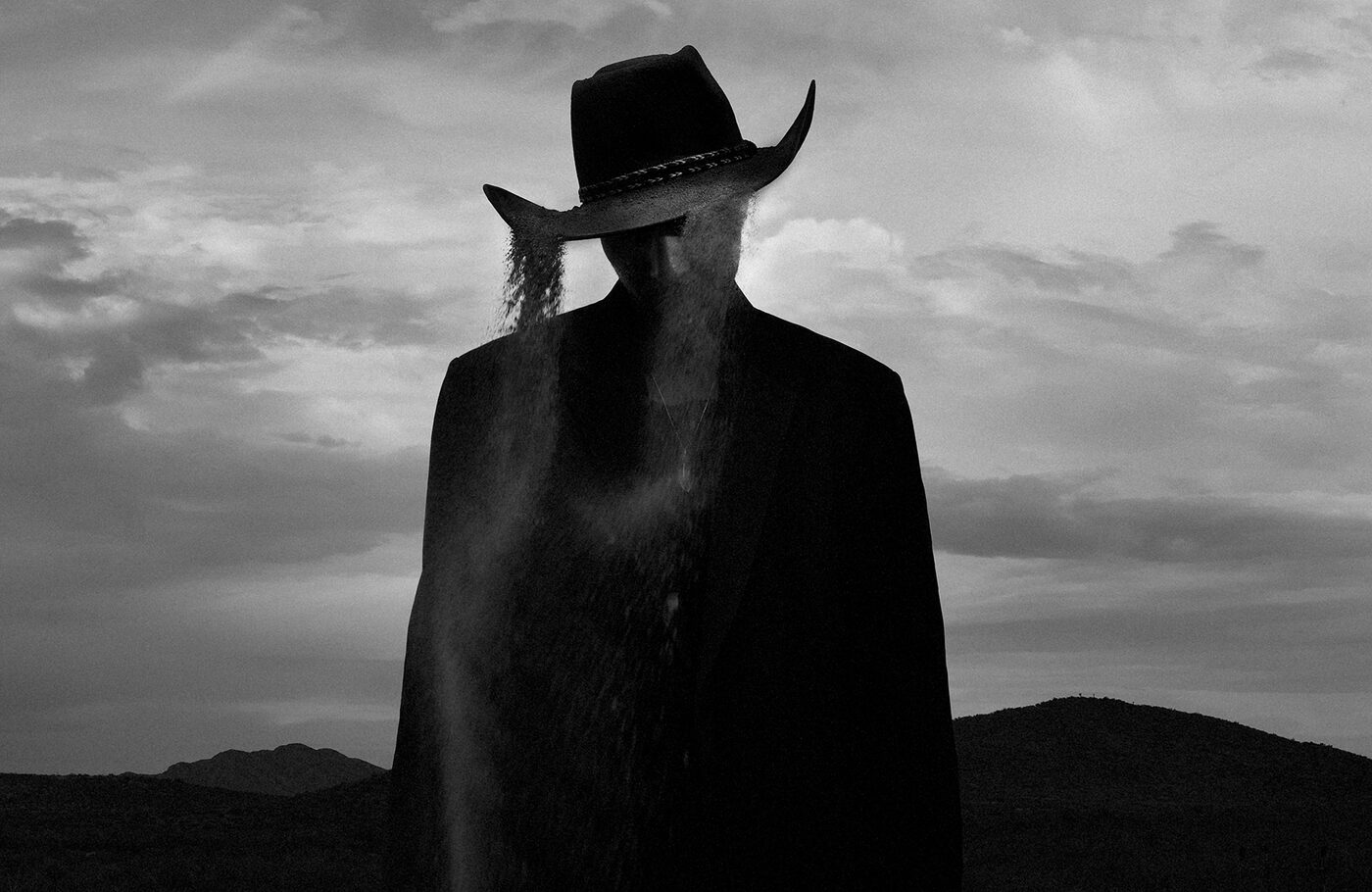
Salamanda is the South Korean ambient duo of Sala (Jimin Sung) and Manda (Yejin Jang), who met in 2018 and have since built one of the more quietly imaginative catalogues in contemporary electronic music. Their album ashbalkum, released in 2022 on Brooklyn label Human Pitch, takes its title from a Korean phrase describing the moment you realize what you have been experiencing as reality is actually a dream. The whole record operates inside that ambiguity.
What makes Salamanda distinct in the wider ambient field is texture. They work with modular synths, field recordings, and what sounds like a deep archive of vintage video game soundtracks and Studio Ghibli scores. Tracks like Open Sesame and Catching Tails have a chime-like clarity that feels less like a producer reaching for nostalgia and more like a producer reaching for memory itself. The sounds are familiar without being borrowed.
Two Solo Practices, One Collaboration
Sala and Manda each have solo projects, Uman Therma and Yetsuby respectively, and the duo work feels like the place where their separate sensibilities resolve. Manda studied composition at university and brings a structural ear to the arrangements. Sala has no formal training and brings an instinctive openness to what a track can become. The combination produces music that is careful without being clean, where loose ends are part of the design.
Their 2023 album In Parallel pushed the project further into rhythm, leaning toward something closer to club music while keeping the dream logic of ashbalkum intact. It is the sort of move that risks losing the audience that came for ambient, but in their hands the shift reads as continuity rather than rupture. The rhythmic elements do not replace the textural ones; they give them something to lean against.
The Korean Electronic Context
Salamanda emerged from a specific Seoul scene that has developed its own distinct sensibility, less driven by the European techno and ambient traditions that dominate critical conversation and more attentive to local music histories, to the sounds of Korean traditional instruments processed through contemporary electronics, to the particular acoustic character of Korean urban environments.
That context is audible in the music without being labelled. ashbalkum does not announce its Korean-ness as a brand or a selling point. It simply sounds like music made by people who grew up in a particular place with a particular relationship to sound and space. The field recordings that appear on the record ground it in a physical environment that is specific and real, even when the synthesis surrounding them is abstract.
Human Pitch, the Brooklyn label that released ashbalkum, has operated as one of the more interesting bridges between American experimental music and the broader international scene. The label's roster represents a genuinely global range of approaches to electronic and acoustic music, and Salamanda fit within it not as an exotic addition but as part of a coherent aesthetic argument about what contemporary experimental music sounds like when it stops centering European and American reference points.
The Listening Practice
Ambient music asks something specific of the listener that most other music does not: a willingness to receive rather than pursue. This is harder than it sounds in an attention economy that constantly solicits active engagement. The music that Salamanda makes requires you to slow down your listening apparatus, to stop looking for hooks and progressions and the conventional markers of song structure, and to attend instead to texture and space and the very slow movement of sound through time.
ashbalkum rewards this kind of listening. The tracks have internal logic that becomes audible only after you have been inside them for a while, after your attention has adjusted to the tempo of the music rather than demanding that the music adjust to your tempo. That adjustment is itself an experience worth having; it changes the quality of attention and makes subsequent listening to almost anything more interesting.
The Studio Ghibli comparison that appears in several descriptions of the duo is worth examining. The Ghibli soundworld, associated primarily with composer Joe Hisaishi, uses orchestral and electronic elements to create spaces that feel emotionally real despite being fantastical in setting. The key is not the content of the fantasy but the seriousness with which the emotional logic is pursued. Salamanda takes a similar approach: the dreamlike surface is anchored by genuine emotional intent.
The Wider Listenership
Salamanda has played Boiler Room, Le Guess Who, and a steady run of European festivals, and their NTS guest mixes have become a reliable index of what is interesting in contemporary leftfield electronic music. The Korean Music Awards nominated ashbalkum for best electronic album. The recognition matches the work.
There is a particular kind of credibility that accrues to artists who are discovered by audiences in multiple continents simultaneously rather than being pushed through a single market's infrastructure. Salamanda has that credibility. Their audience assembled laterally, through recommendation and sharing and the specific networks that trade in music that is genuinely unusual, and the result is a listenership that is geographically distributed but coherent in its sensibility.
In Parallel confirmed that the first album was not a one-off. The project has a direction and the direction is genuinely interesting. Whatever they make next, the frame they have built around their work, the careful attention to texture, the willingness to move between stillness and rhythm, the insistence on the specific emotional logic of each track, is solid enough to support further development.