A Voice That Does Not Apologize
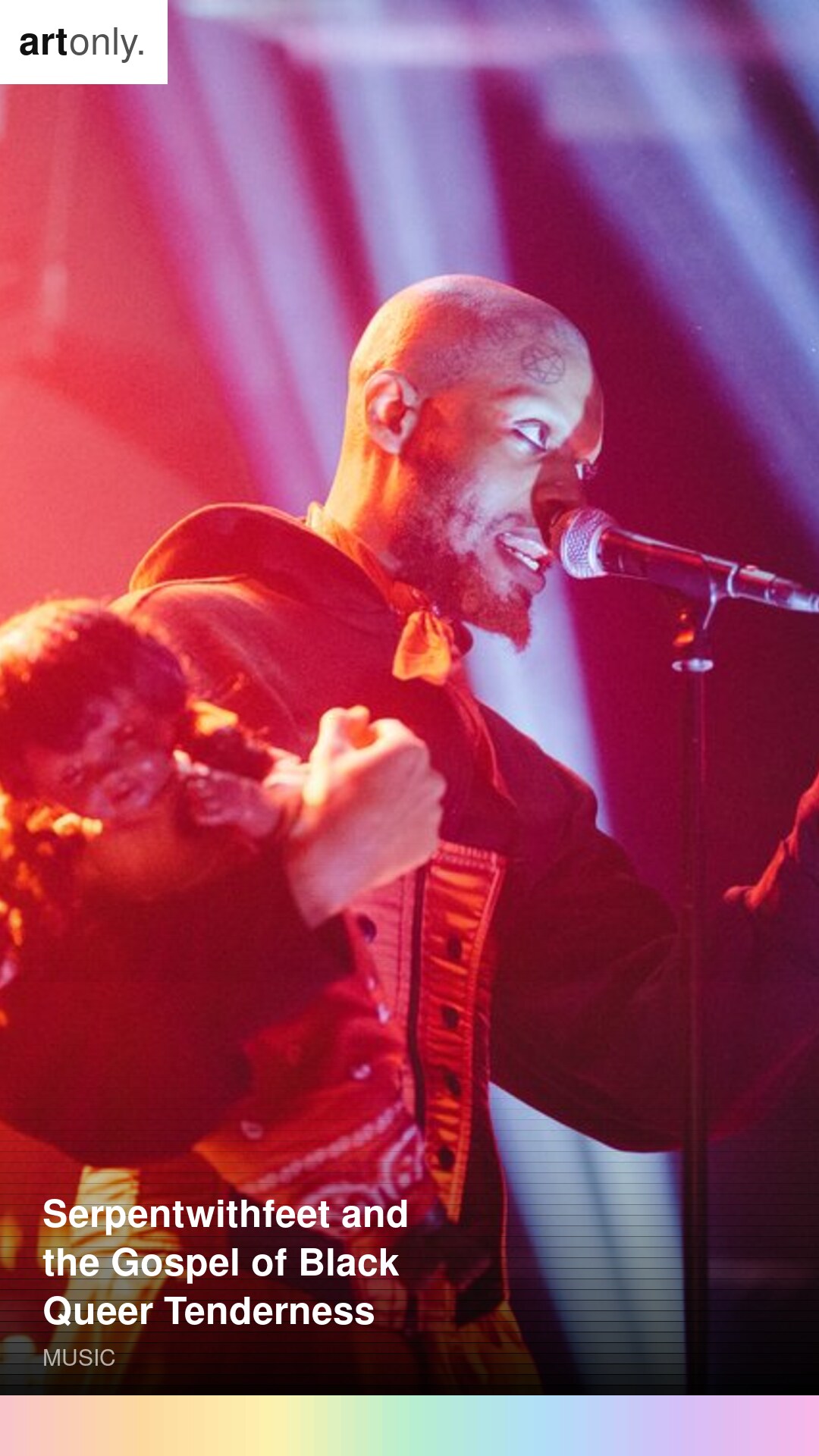
Josiah Wise, who records as Serpentwithfeet, grew up singing in evangelical Black church in Baltimore. The church vocal tradition gave him a voice trained in a specific emotional grammar: call and response, melisma, the extended note held until it becomes something else, the moment in a gospel phrase where technique and feeling become impossible to separate.
His music carries all of this into a context the church would not recognize. The love he sings about is the love between Black men. The tenderness he describes is specific to his experience of Black queer intimacy. There is no hedge in any of it. The devotional intensity that gospel cultivates for theological purposes, Serpentwithfeet directs toward the bodies and hearts of his partners.
This is not provocation. It is documentation.
Soil and the First Statement
The 2018 EP Soil arrived on Tri Angle Records, a label known for its ambient and experimental releases, and sat oddly and perfectly in that context. The production was abstract, at times barely there, more space than sound. Against it, Wise's voice was unapologetically operatic and gospel-trained and enormous.
Soil was not trying to find crossover appeal. It was not interested in presenting its subjects in ways that made listeners comfortable. The arrangements created a kind of beauty that could hold discomfort, the way late Romantic lieder can hold grief, the way some spiritual music creates space for doubt rather than resolution.
The label partner and producer Haxan Cloak understood that the voice needed room rather than frame, and gave it a production environment that felt like a field rather than a box.
Deacon and the Turned Frequency
The 2021 album Deacon is a different proposition. The production is warmer, rooted in R&B and gospel arrangement more directly, with strings and piano and a clarity of emotional intention that Soil held at more of an angle.
What does not change is the specificity of the love being described. Deacon is an album about Black gay love as an ordinary fact of life. Not a political statement, not a corrective to representation, just: this is what love looks like, sounds like, feels like from here.
The title track and the single "Fellowship" operate in that register. The music is generous, full of space and warmth, and the relationship it describes is one where tenderness is not a vulnerability but a language. The church metaphors are real and structural: Deacon is the role of service, of support, of holding a community together from the inside.
Wise applies that metaphor to intimate partnership. The beloved is the community. The devotion is the practice.
What the Voice Carries
The critical vocabulary for describing Serpentwithfeet's voice tends toward the operatic, and that is accurate as far as it goes. The range is wide. The phrasing draws from trained technique. The control is exceptional.
But the comparison that gets closer is gospel: specifically the Black gospel tradition where the voice is understood as a instrument for conveying something that exceeds the voice's technical capacity, where what matters is not the control but what the control is in service of.
In that tradition, to sing is to mean it in a way that requires every technique you have and still reaches beyond it. The voice cracks because what it is carrying is too large. The melisma extends because the emotion does not finish at the end of the note.
Serpentwithfeet applies this understanding to secular love and produces something that functions similarly: music that suggests the experiences it describes are as serious as anything the church ever processed, as worthy of that full intensity of feeling.
GRIP and the Evolution
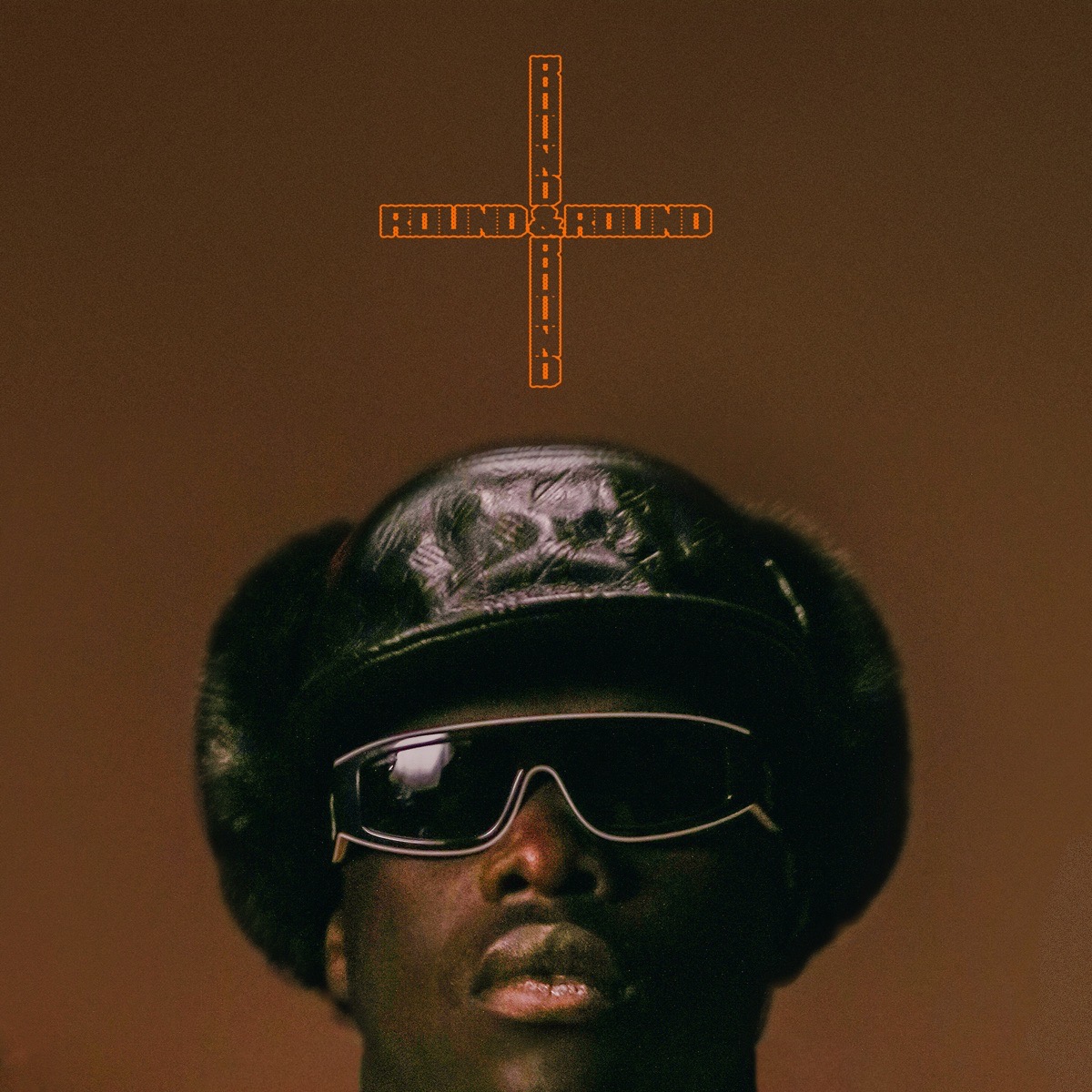
The 2023 album GRIP moved further into R&B, with a cleaner production aesthetic and collaborations that emphasized the pop dimensions of the voice. The reception was divided in the way that mainstreaming always divides: some listeners felt the abstraction and challenge had been sanded down, others heard a fully realized version of the sound.
What remained was the voice and the commitment. The love being documented did not change registers. The tenderness did not become ironic or apologetic or coded.
Across all three records, Serpentwithfeet has made essentially the same argument: that Black queer love deserves the same gravity of treatment that any tradition of devotional music has given to its objects of devotion. The gospel-trained voice is the medium because the message is, in its way, gospel: here is what love looks like, it is specific and it is real and it asks nothing of you except attention.
The GRIP Argument and What It Means
The 2023 album GRIP moved further into R&B, with a cleaner production aesthetic and collaborations that emphasized the pop dimensions of the voice. The reception was divided in the way that mainstreaming always divides: some listeners felt the abstraction and challenge had been sanded down, others heard a fully realized version of the sound that Soil and Deacon were working toward.
The more useful frame for GRIP is not whether it is more or less challenging than the earlier work but whether it continues the argument those records were making. And the answer is yes. The love being documented on GRIP did not change registers. The tenderness did not become ironic or apologetic or coded. The gospel-trained voice is still there, doing what it always does, carrying weight that the lyrics themselves are not required to spell out.
What changes across the three records is the production frame. Each album puts Wise's voice in a different acoustic environment, from Soil's near-bare abstractions to Deacon's warm R&B setting to GRIP's more polished pop context. The voice is the constant. The voice is the argument. The different frames are tests of the argument: how does the love it describes sound when the production is sparse? When it is warm? When it is polished? The answer, across all three records, is that the love sounds real regardless. That consistency is the testament to the quality of the voice and the conviction of the vision.
The full arc of Serpentwithfeet's work to date represents one of the more coherent and serious extended arguments in contemporary music about what devotional love sounds like when it is Black, queer, and rooted in a specific tradition of trained vocal practice. That argument does not require you to share his faith, his identity, or his background to receive. It only requires attention. The gospel-trained voice asks for attention the way all trained things ask for it: by demonstrating what training in the service of genuine conviction can produce.