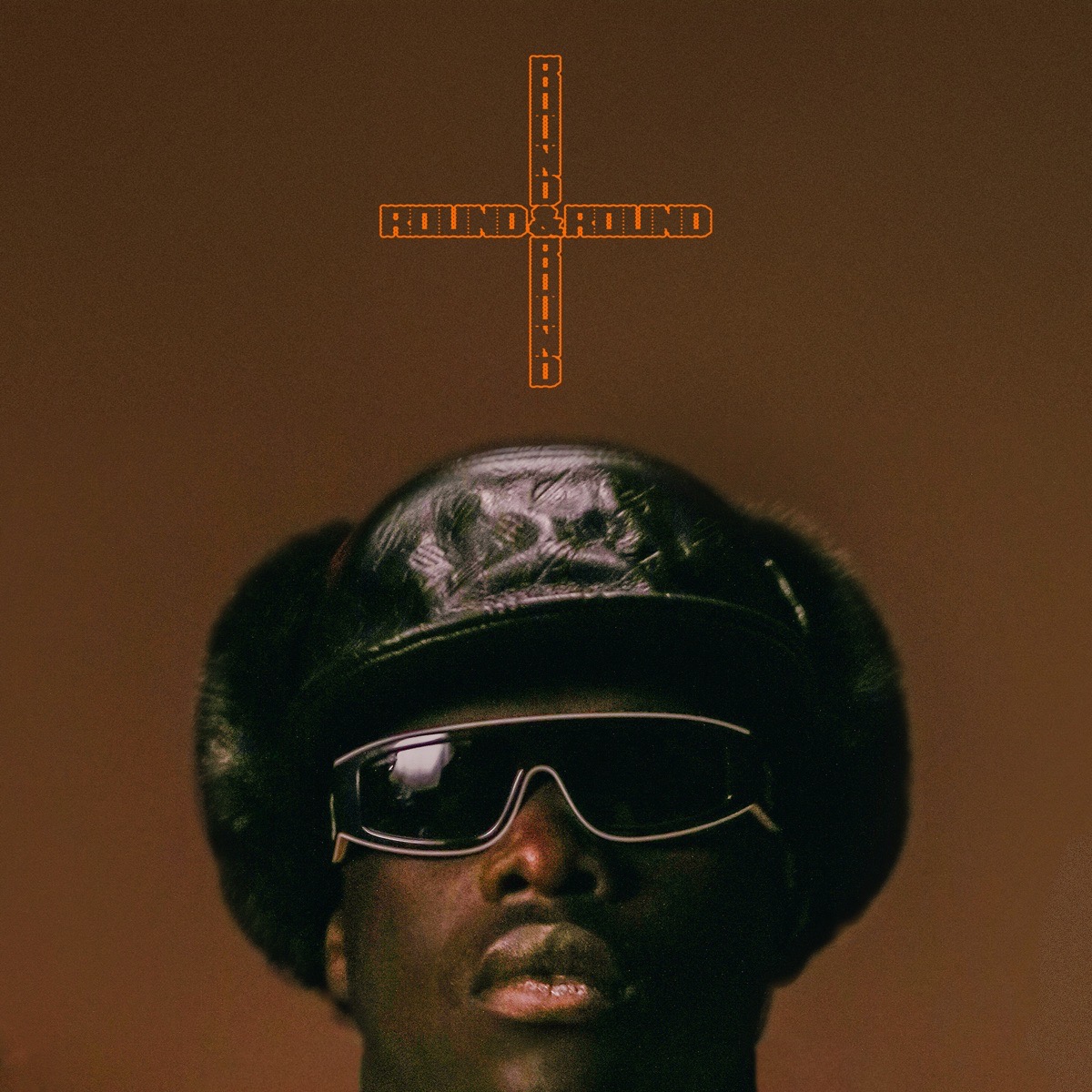
SMIFF is Edinburgh-born and London-resident, and he makes the kind of bass music that takes a club apart and rebuilds it three times across one record. PRESSURE CORE, his December 2025 album on Madam X's Kaizen imprint, is the most coherent statement he has put out and one of the more underrated UK bass releases of the last twelve months. Ben UFO has been playing it. Call Super has been playing it. Rinse FM, NTS, and BBC Radio have been playing it. The streams have not yet caught up. They will.
What he is doing is fusion in the literal sense. PRESSURE CORE moves between breakbeat, techno, hard drum, Baltimore-club, and dembow without ever losing the line. "Dish Down" and "Last Buzzer," released earlier in 2025, gave a hint of where the album was heading. "Higher Pressure" was the proof of concept. The BANG! EP and the Beezknees EP were the workshop.
The peak-time question

The interesting thing about SMIFF is the patience with which he sequences pressure. Most producers in this register reach for the drop quickly and then cycle. SMIFF builds for thirty-two bars longer than is comfortable, then opens it. He came up playing Headset's parties, which forces a discipline most bedroom producers never develop: you have to keep a room moving without insulting it.
This is the crucial distinction between producers who are technically skilled and producers who understand rooms. A technically skilled producer knows what sounds loud. A producer who understands rooms knows what makes a crowd shift weight, what makes two hundred people breathe together, what makes the moment before the drop as charged as the drop itself. SMIFF has developed that second skill, and it is rarer than the first.
The architecture of a track like "Higher Pressure" rewards close attention. The opening is all atmospheric pressure, a gathering of bass frequencies that have not yet resolved into rhythm. The percussion enters later than you expect, and when it does it enters at a tempo that sits slightly past comfort, that edge of discomfort being the whole point. The drop releases accumulated tension in a way that feels physically necessary rather than merely satisfying. This is engineering working in service of an emotional effect that only the body can register correctly. You cannot fully understand what SMIFF is doing without a system capable of moving air.
The Kaizen Context
Madam X's Kaizen imprint is doing important work in the UK bass ecosystem, and SMIFF is a central figure in it. The label operates at the intersection of club music and something more architecturally ambitious, releasing records that function on a dancefloor but reward close listening at home. This is a difficult balance to achieve and most producers fail at one end or the other. Music designed purely for clubs sounds thin on speakers. Music designed for home listening sounds too considered, too methodical, for a moving crowd.
The Kaizen approach, and SMIFF's approach within it, treats these as the same problem rather than two separate ones. The textures on PRESSURE CORE are dense enough to reward headphone listening, detailed enough that you hear something new on the fourth pass that you missed on the first three. They are also ruthlessly functional at volume, stripped of anything that would get between the sound and the body.
The Genres He Moves Between
SMIFF is not a genre purist and PRESSURE CORE makes this a strength. The dembow influence runs through the rhythmic structure of several tracks. The Baltimore-club energy shows up in how vocal samples are chopped and pitched. The techno influence is most audible in the relentlessness of the kick drum, the sense that the machine will not stop for you. The breakbeat tradition underpins the whole thing as a foundational reference rather than a surface aesthetic.
Genuine synthesis of this kind is harder than it looks. Many producers borrow from multiple genres and produce work that sounds like a collage, identifiably composite, the seams visible. SMIFF's tracks do not have visible seams. The genres coexist because he understands them at a structural level. He knows what each one is actually doing rhythmically and tonally, not just what each one sounds like on the surface. The result sounds new without sounding arbitrary.
Streaming Numbers and the Patience Required
There is a gap right now between SMIFF's critical recognition and his streaming footprint. This gap is temporary but it is worth understanding correctly. Music that builds through DJ sets and radio play, through the particular ecosystem of clubs and specialist broadcasts, often reaches its audience through channels that streaming data does not capture. People hear a track on a system at a party, ask the DJ what it is, find it later. This process is slower than algorithmic discovery and more durable. The listeners who find music this way tend to stay with it.
Ben UFO playing it matters because Ben UFO has a specific kind of taste that his audience has learned to trust across years of careful programming. Call Super playing it matters for the same reason. These are not endorsements in the marketing sense. They are a community of ears saying: this is worth your time. That kind of signal moves through a culture differently than a playlist placement, and it tends to age better.
The Edinburgh background is relevant in a way that is not often acknowledged. Edinburgh has a smaller and more tightly connected club scene than London, which means producers who come up in it develop their craft in front of audiences that are harder to fool, where the margin for error is tighter and the feedback is more immediate. SMIFF's sense of a room comes from somewhere. It comes from the specific rooms where he learned the craft.
Why he matters
Time Out put him on a six-emerging-DJs list early. The Kaizen co-sign confirmed it. The records do the rest. UK bass is having a quiet moment of reorganisation right now and SMIFF is one of the architects you should know. Start with "Higher Pressure." Then PRESSURE CORE in full. Listen on a system.
Allastair Voss