No One Plays Bass Like This
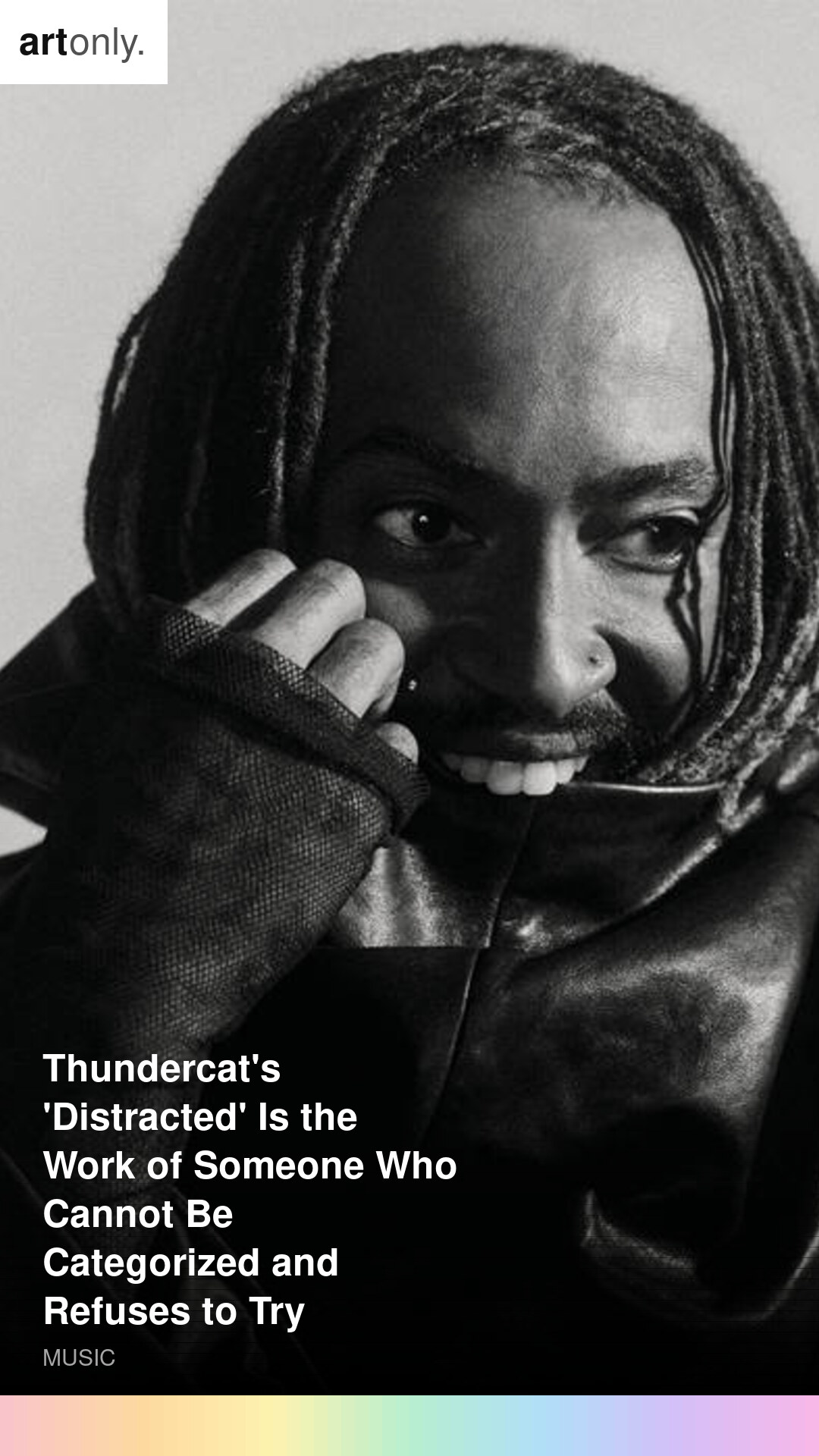
Stephen Lee Bruner, who records and performs as Thundercat, is the most singular bassist working in popular music today. That is not a comparative statement designed to slight anyone. It is a description of a musical fact. His technique encompasses the full range of what a six-string bass can do, from the kind of locked-in groove playing that makes you forget you're listening to an instrument and not a force of nature, to passages of such harmonic complexity that you need a theory background just to follow what he's doing, and he moves between those registers without warning, without signaling, and without any apparent effort. He makes virtuosity look like casual interest.
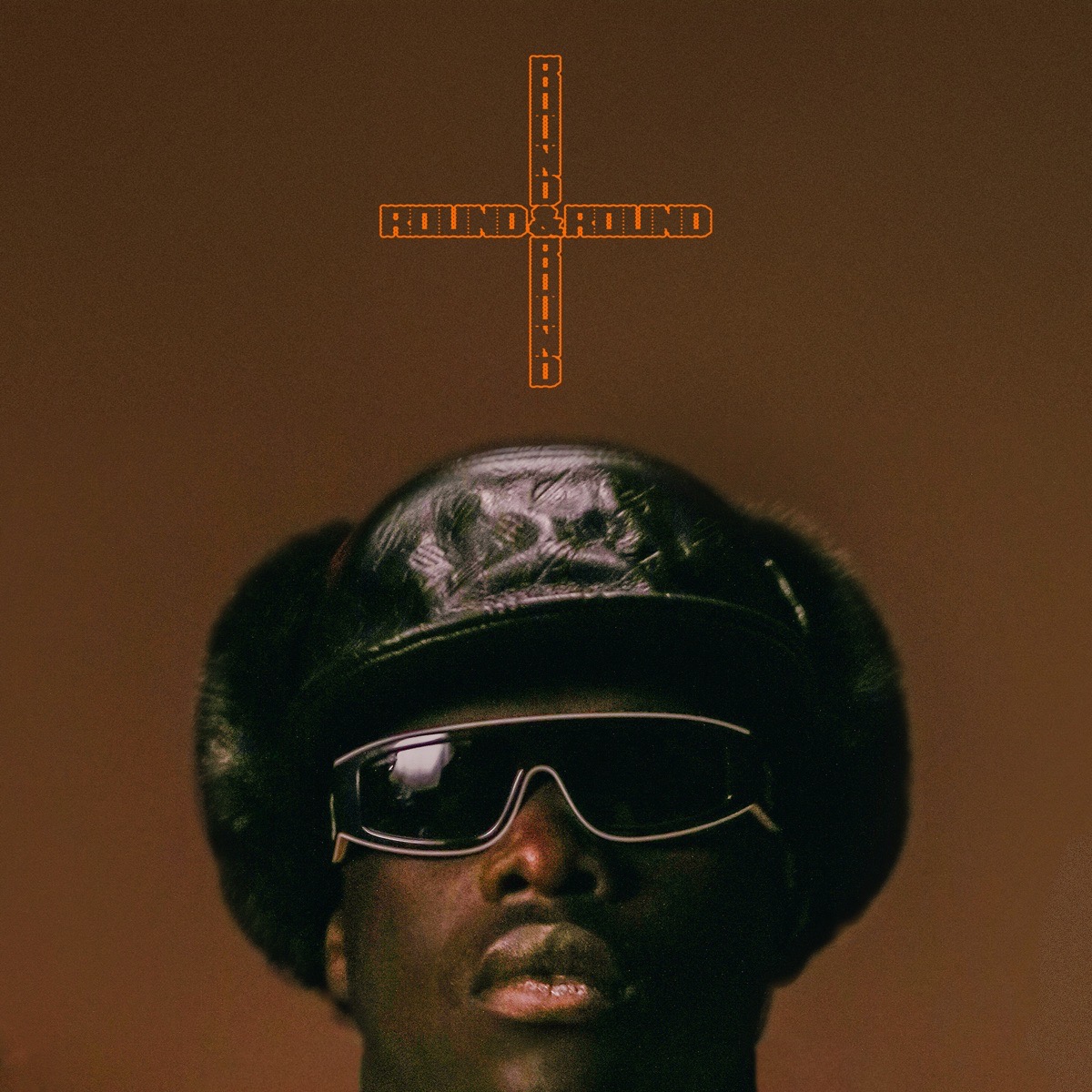
Distracted, his fifth studio album released April 3 on Brainfeeder, is his first record in six years, following 2020's It Is What It Is. Six years is a long time in any music career, but particularly in one as collaborative and constantly in-motion as Thundercat's. In that gap he has appeared on records across multiple genres, worked in studios from Los Angeles to Tokyo, and maintained the kind of underground credibility that most artists negotiate away the moment they get famous. He got famous. He kept the credibility. That combination is genuinely rare.
The Collaborations That Define an Era
To understand what Thundercat represents in contemporary music, you have to understand his place in the Los Angeles jazz-adjacent underground that produced some of the most important American music of the last fifteen years. He grew up in a musical family, was playing bass professionally as a teenager, and became part of the constellation of musicians around Flying Lotus, Kamasi Washington, and the Brainfeeder label that quietly redefined what jazz-influenced music could sound like in the twenty-first century.
His contributions to Kendrick Lamar's To Pimp a Butterfly in 2015 are the clearest illustration of what he brings to a record. That album could not have sounded the way it sounds without his bass playing. He is all over it, not just laying down lines, but actively shaping the harmonic and rhythmic architecture of songs in ways that pushed Lamar's vision into territory that contemporary hip-hop had no map for. The fact that Thundercat was not the credited artist on those tracks, and that most listeners discovered him only afterward, tells you something important about how invisible extraordinary musicianship can be when it is doing its job correctly.
The collaborations on Distracted make the same case in a different key. Tame Impala on No More Lies. Mac Miller on She Knows Too Much, a collaboration that carries its own weight of meaning, given Miller's death in 2018 and the continued posthumous releases that keep his presence alive in contemporary music. Lil Yachty on I Did This to Myself. A$AP Rocky on Funny Friends. Willow Smith on ThunderWave. Channel Tres on This Thing We Call Love. These are not random features assembled for commercial appeal. They are evidence of the width of Thundercat's creative relationships and the breadth of the territory he is willing to map.
Distracted: Presence as Theme
The album's title is not incidental. Thundercat has described Distracted as a meditation on how easily we become consumed by the noise around us, the personal struggles, the global chaos, the constant pull of everything that isn't the present moment, and how that distraction costs us the experience of being alive. That is not a light subject, and Thundercat does not treat it lightly. But he also refuses to treat it solemnly, because solemnity is not his register.
This is the essential paradox of Thundercat's artistry: he is genuinely funny, and he is genuinely serious, and he has found a way to be both at once without either quality undermining the other. His social media presence, his video aesthetics, his interviews, all of it leans into an absurdist, anime-inflected, deeply weird comedy. And then you put on the music and you encounter something of real depth and beauty. The comedy is not a mask over the seriousness. They coexist. They need each other.
The album opens with Candlelight, which establishes his signature bass style immediately, the tone, the touch, the way notes bloom and decay, and sets an introspective emotional register that threads through the whole record. On Pozole, he strips back to piano and layered vocals, showing a vulnerability that his more elaborate productions sometimes obscure. The bass does not always need to be virtuosic to communicate. Sometimes it just needs to be present.
Why He Matters
Thundercat matters because he represents something increasingly rare: a musician whose technical mastery serves emotional intelligence rather than substituting for it. Virtuosity without feeling is an exhibition. Thundercat is not an exhibitionist. He uses his extraordinary technical facility to get somewhere emotionally that a less capable musician simply could not reach. The complex harmonic passages are not shows of skill. They are the most direct available path to a particular emotional state.
His friendship with Flying Lotus, his collaboration with Kamasi Washington on The Epic, his ongoing contribution to the Brainfeeder ecosystem, these situate him within a tradition of musicians who understand that genre boundaries are administrative fictions and that the interesting music has always lived in the spaces between categories. Distracted lives in those spaces. It is a bass record, a soul record, a psychedelic record, a comedy record, and a meditation on consciousness, all at once, without apology.
Six years between albums is a long time. The wait was worth it. Thundercat has returned with his most expansive record to date, and the expansion is not in running time or guest count. It is in the emotional and philosophical territory he is willing to explore. That is the only kind of expansion that matters.