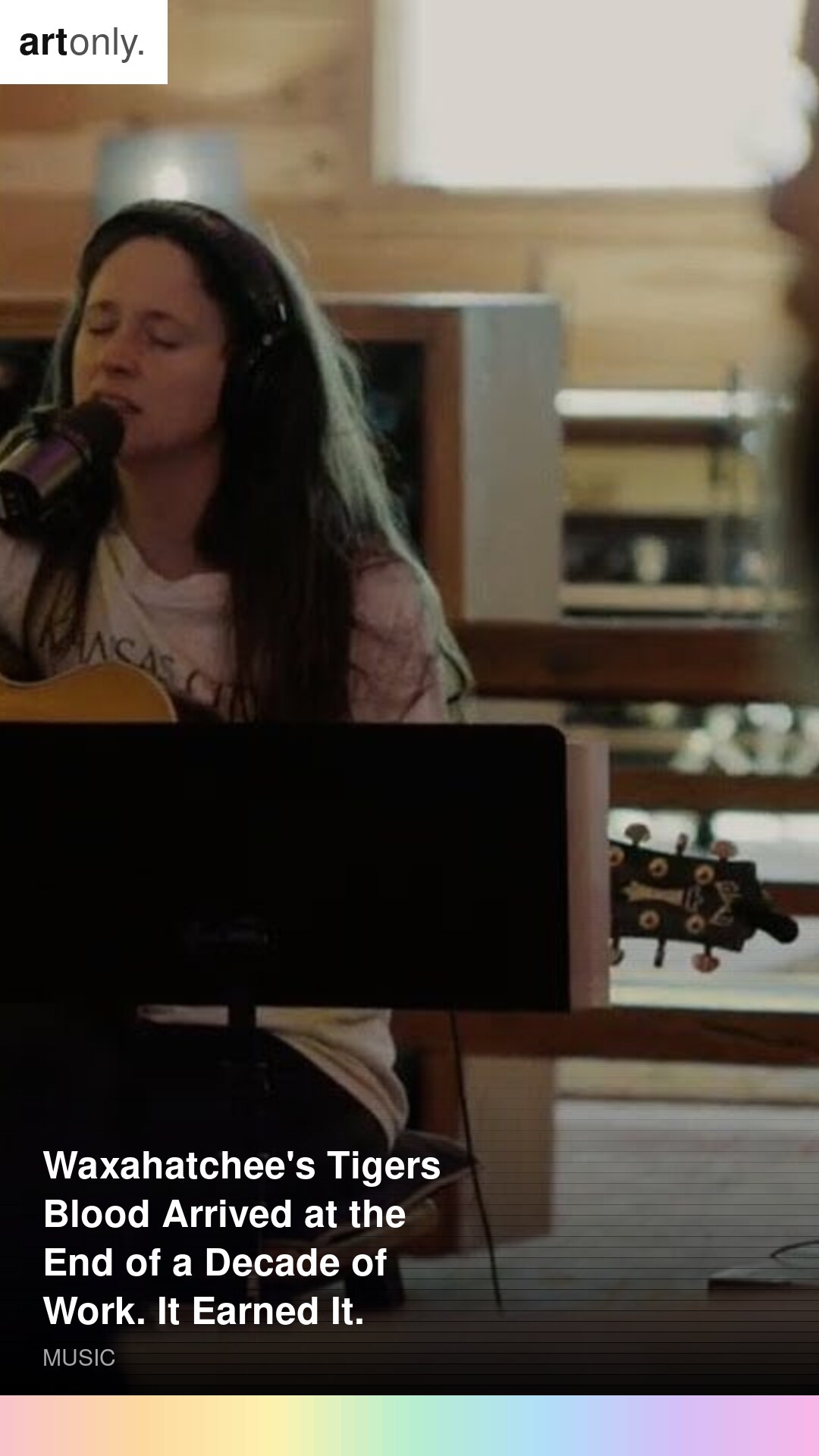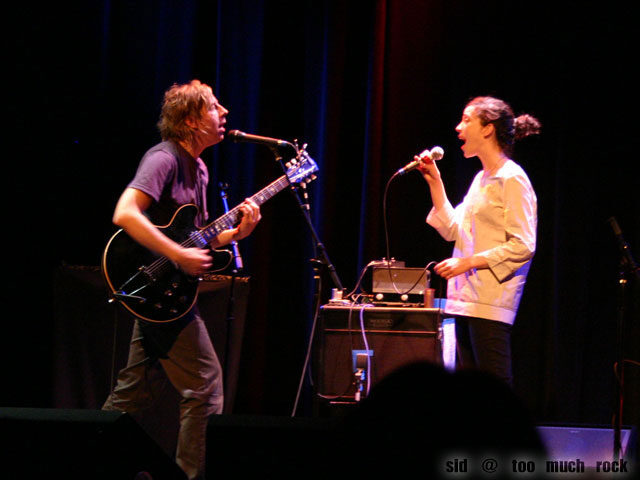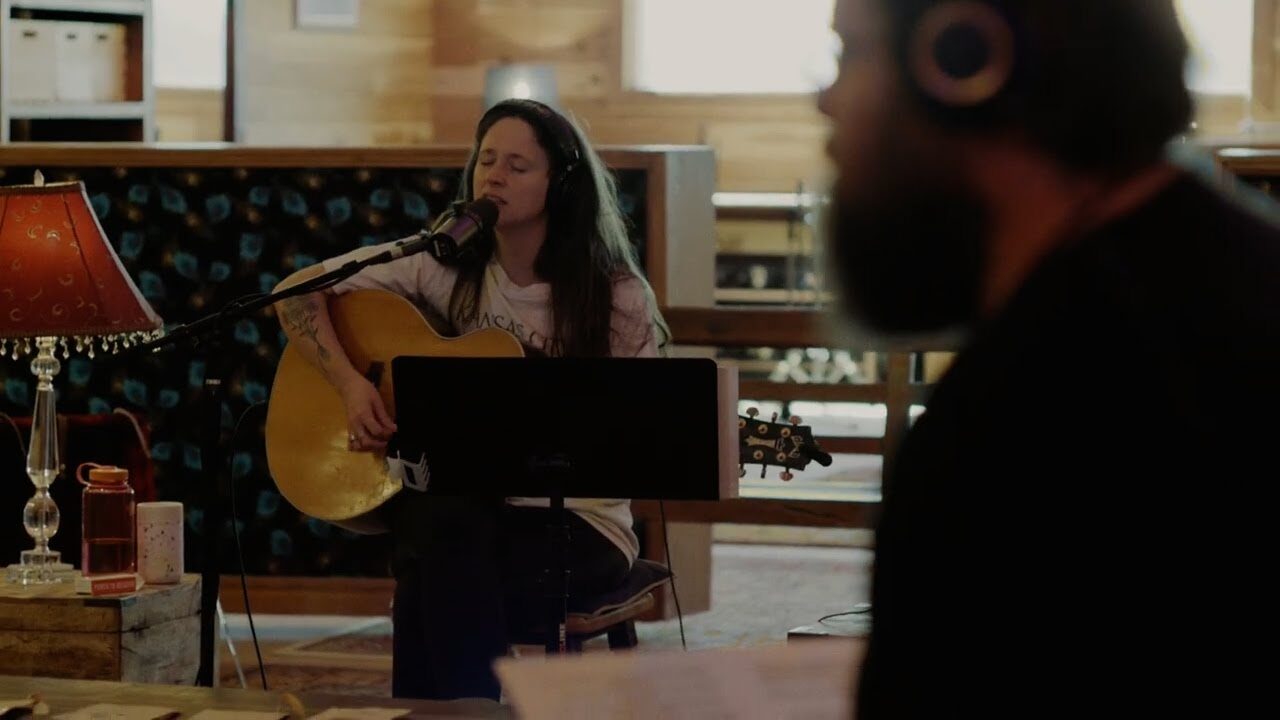
Tigers Blood, Waxahatchee's sixth album, was written during a concentrated spell while Katie Crutchfield was on tour in late 2022. She wrote most of the songs during that run, in proximity to the material she was trying to describe, working quickly in the way that strong writing periods sometimes allow. The album was released March 22, 2024 through Anti-. It received a Grammy nomination for Best Americana Album, Crutchfield's first nomination at the awards.
The nomination matters less than the music. But it names something real about where the record sits: it is the kind of album that arrives at the end of a decade of work and earns attention from institutions that had not previously paid attention. That is a specific and recognizable kind of arrival.
From Home Recording to Something Rooted
Crutchfield released her first Waxahatchee album in 2012, a home-recorded collection called American Weekend that announced a songwriter of genuine capability working with minimal means. The albums that followed, Cerulean Salt, Ivy Tripp, Out in the Storm, and Saint Cloud, each adjusted their relationship to production and genre with increasing deliberateness.
By Saint Cloud in 2020, the Americana and alt-country influences that had always been present in her writing were front and center. Tigers Blood continues in that direction but arrives somewhere that feels less like a direction and more like a place. The production is warm and detailed without calling attention to itself. The songs are adult in a specific sense: they are about the person who feels like home rather than the one who gets your blood pumping.

What MJ Lenderman Actually Did
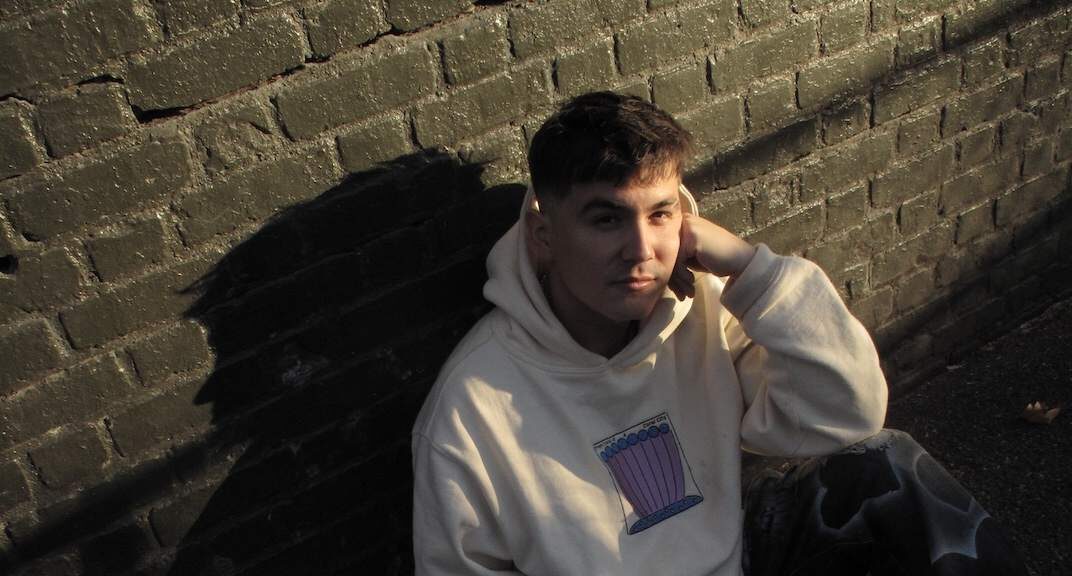
The story of Tigers Blood cannot be told without accounting for MJ Lenderman, the guitarist who ended up playing on every track. Crutchfield has described moments on the album where his guitar parts struck her as the hookiest she could imagine, parts she would never have thought to place there herself.
His contributions are structural. On the title track and on Right Back To It, his work defines the song. The hazy backing vocals on those tracks are also his. Lenderman came up through the Asheville, North Carolina indie scene, and his playing brings a regional looseness to the album that supplements Crutchfield's own Southern roots without overwhelming them. The collaboration reads as a natural one. Nothing about it sounds like two people trying to make something work.

Brad Cook's Production Philosophy
Producer Brad Cook, returning from Saint Cloud, operates from a position of restraint. His productions do not call attention to themselves. The instruments breathe. Tigers Blood sounds like it was made in a room by people who knew each other well, which is an accurate description of what actually happened.
Spencer Tweedy plays drums on the album alongside Phil and Brad Cook. The musical inheritance in that arrangement is specific: Spencer Tweedy's father is Jeff Tweedy of Wilco, and Phil and Brad Cook have worked across much of the American indie landscape over the past decade. The shared vocabulary between these players is evident in the record. Nothing sounds like a session. It sounds like a band.

The Grammy Nomination and What It Tells You
A Grammy nomination for Best Americana Album is a particular kind of cultural signal. The Americana category has expanded considerably over the past decade, moving away from a narrowly defined revival aesthetic toward something that includes indie rock, folk punk, and country-adjacent work that falls outside mainstream Nashville.
Crutchfield's nomination placed Tigers Blood in that expanded context. Whether or not the framing fits the album is a reasonable question. The record is Americana in the sense that it is rooted in specific American musical traditions and in a specific American experience of place and relationship. It is not Americana in the sense of any nostalgic costume. That distinction separates it from most of what the category recognizes.

Tigers Blood as Departure and Arrival
Crutchfield has reviewed her own discography publicly, placing each album in sequence and articulating what she thinks each one was attempting and how well it succeeded. That kind of self-examination is unusual and suggests an artist who thinks carefully about accumulation, about what each record does to the ones that preceded it.
Tigers Blood arrives at the end of that sequence as an album that does not seem to be trying to prove anything. Its confidence is not the confidence of a major label project with significant resources. It is the confidence of someone who has figured out how to make exactly the record she intended to make, on her own terms, with people she trusts, without apology. That is harder than it sounds. Most records aimed at that quality miss it. This one does not.