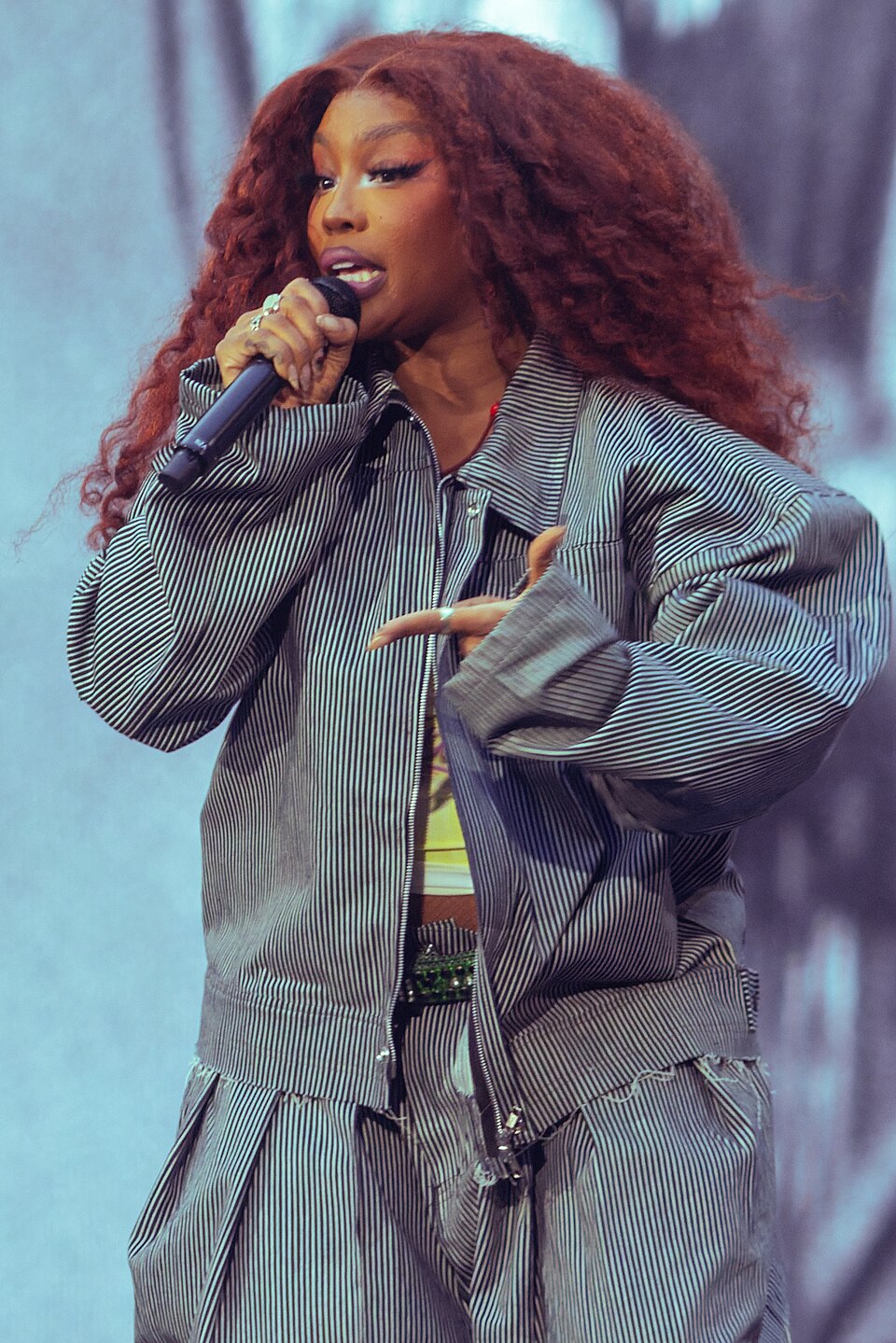
The conversation about women in rap has been framed wrong for years. The question was always when will women take over. The answer, if anyone had been paying attention, was that they already had.
In 2026, the evidence is no longer debatable. The biggest tours, the most streamed albums, the most critically acclaimed releases, the most culturally significant moments in hip-hop are being driven by women. This is not a trend. It is a correction.
The Numbers
The statistics tell a story that the industry spent years ignoring. Female rappers now account for a larger share of hip-hop streaming than at any point in the genre's history. Festival lineups that were once exclusively male are now anchored by women. The commercial ceiling that was supposed to exist for female rap has been shattered so thoroughly that nobody remembers where it was.
Beyond the Binary
What makes this moment different from previous waves of female rap visibility is its diversity. There is no single template for what a successful female rapper looks like or sounds like in 2026. The genre accommodates lyrical technicians and melody-first artists, explicit provocateurs and introspective storytellers, club-oriented hitmakers and experimental boundary-pushers.
This diversity is the real breakthrough. Previous eras forced women in rap into narrow lanes: you could be the conscious one, the sexy one, or the lyrical one. You could not be all three. In 2026, the lanes have dissolved.
The Structural Shift
The change is not just artistic. It is structural. Women are not only performing rap. They are producing it, engineering it, managing it, and running the labels that release it. The infrastructure that supports hip-hop is being rebuilt by the people it historically excluded.
This matters more than any individual success story. Individual breakthroughs can be dismissed as exceptions. Structural change cannot. When women control the means of production, the conversation is no longer about access. It is about direction.
The Future
The most exciting thing about women in rap in 2026 is that the conversation has moved past justification. Nobody is asking whether women can rap anymore. The question now is what they will do with a genre that they are actively reshaping.
The answer, based on the music being made right now, is everything.


