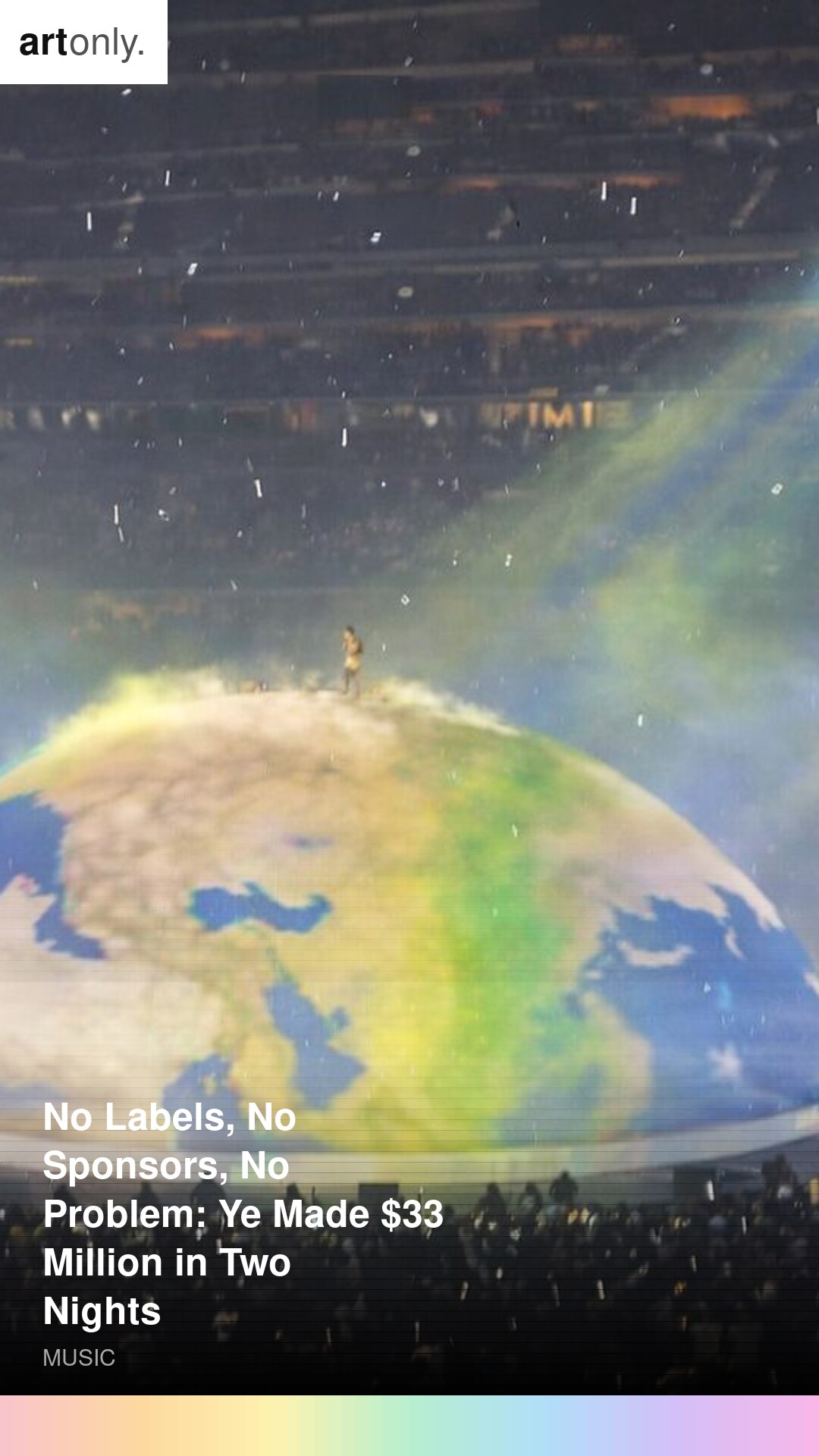
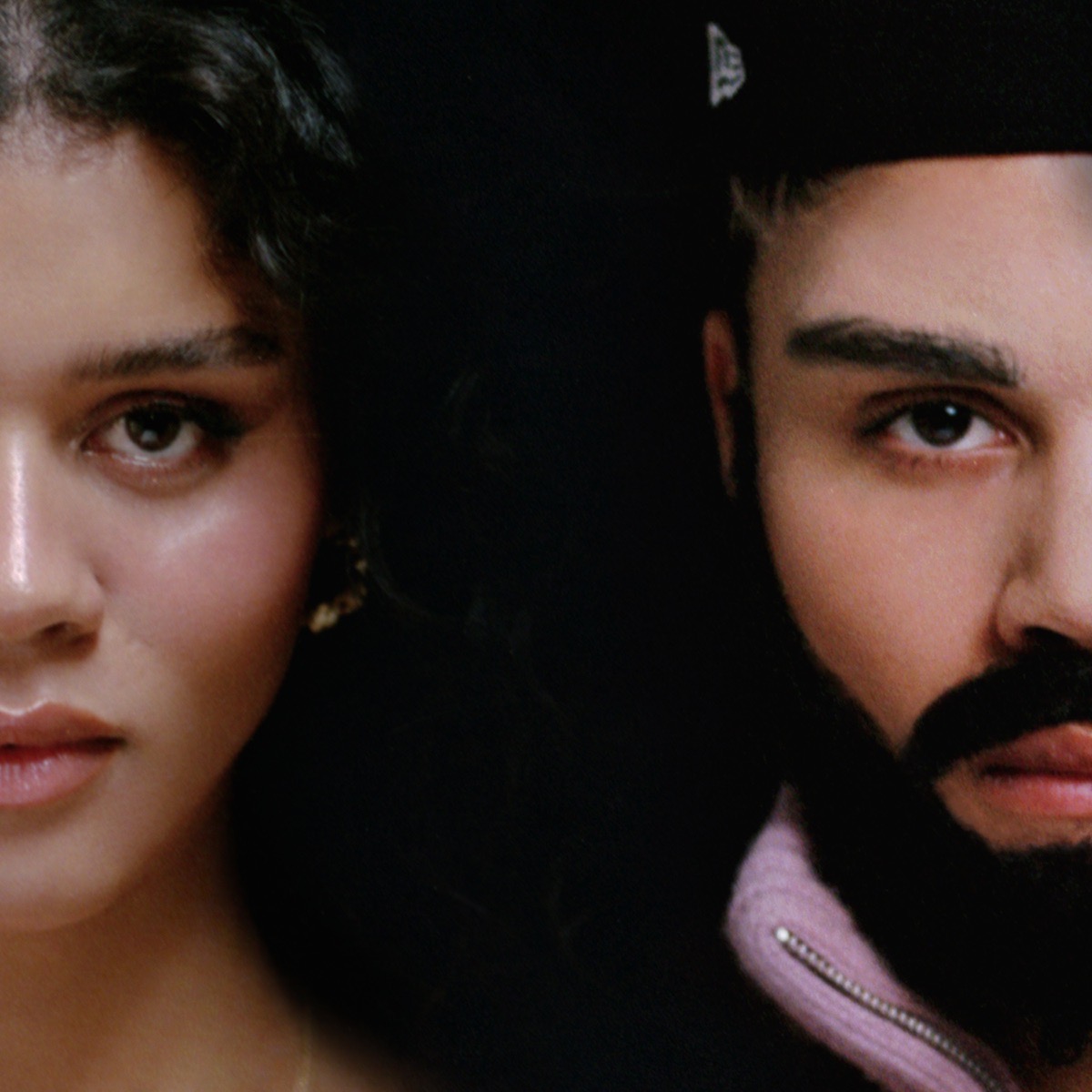
There is a scene that keeps circulating from SoFi Stadium this week: a figure standing alone on top of a massive rotating globe, smoke pouring around him, 80,000 people screaming below. It is the kind of image that is either grandiose to the point of self-parody, or so audacious it crosses back into genius. With Ye, it has always been both, and that is exactly the point.
On April 1 and April 3, 2026, Kanye West performed two sold-out shows at SoFi Stadium in Inglewood. Combined, they grossed a reported $33 million, setting a record for the venue and landing among the highest-grossing single concert events in live music history. The Friday night show alone pulled over $18 million. For an artist who has spent the better part of three years being cut from rosters, dropped by labels, stripped of partnerships, and publicly exiled from the mainstream music industry, those numbers are not just impressive. They are a rupture in how we think about power in this business.
The Industry Wrote Him Off. The Fans Did Not.
The context matters. In the years leading up to these shows, Ye lost virtually everything the traditional music industry had granted him. Adidas terminated their decade-long partnership following his antisemitic public statements, costing him an estimated $1.5 billion in net worth overnight. Gap ended their collaboration. Talent agencies dropped him. Radio stations pulled his records. Major institutions put distance between themselves and his name. By every conventional metric, the gatekeepers had closed the gates.
Two nights, $33 million, sold out.
That math does not work by the old logic. Under the old logic, you needed brand backing, industry infrastructure, radio support, and a clean public image to fill a stadium. Ye proved none of that is actually required when the body of work is strong enough and the fanbase is deep enough. It is uncomfortable for a lot of people to sit with, and it should prompt a more honest conversation about where actual cultural leverage lives. The discomfort does not resolve the question. It is the question.
The audience's relationship to this work is not unconditional. It is conditional on something other than institutional approval. The people who showed up to SoFi Stadium did so because they have a direct relationship with music that has mattered to them across twenty years: from "College Dropout" through "Graduation" through "My Beautiful Dark Twisted Fantasy" through "Yeezus" and forward. That relationship does not disappear because of press releases and contract terminations. It resides in a different place entirely.
What Happened on That Stage
The set itself was 44 songs across two hours. Not a greatest hits victory lap, a statement. He opened with material from Bully, his new album that debuted at No. 2 on the Billboard 200 with 98 million streams in its first week, then spiraled through 20 years of catalog: "Can't Tell Me Nothing," "Power," "Blood on the Leaves," "Heartless," "Runaway." The hits hit harder in a stadium of 80,000 people who have carried them for a decade.
The guests were a flex in their own right. Lauryn Hill joined for a performance of "All Falls Down" and stayed to deliver "Doo Wop (That Thing)" into "Believe What I Say," one of the most genuinely moving moments in recent live music memory. Travis Scott came out for "Father," the lead Bully single, and the crowd lost their minds. CeeLo Green performed the title track. North West, twelve years old, rapped "Talking" and "Piercing on My Hand" on the same stage as her father, and held it down.
The globe stage deserves its own paragraph. Designed to rotate slowly and shift between projections, a bare moon, the spinning Earth, a smoke-emitting orb, it was not just a set piece. It was a declaration. The man the industry tried to shrink to nothing built a world and put himself on top of it. The visual language of the stage design is entirely consistent with twenty years of work that has always treated scale as an argument: the argument that this music and this artist are operating at a level that makes conventional modesty dishonest.
The Larger Question
What this run of shows proves is not that controversy has no consequences. Ye's UK ban and the collapse of the Wireless Festival headlining slot make clear there are still real walls. What it proves is that the grip labels and brand partners once had over an artist's entire livelihood was always more conditional than they let on. When the audience relationship is direct enough, deep enough, and old enough, no intermediary controls the outcome.
The economics of this independence are stark. No label taking a cut of recordings. No brand partner extracting a percentage of the Ye name's commercial value. The $33 million flows differently than it would inside a major label system, and that difference is what makes the numbers so significant as a demonstration of principle. Independent touring at this scale is not available to most artists. The precondition is having built an audience over twenty years of releasing records that people cared about enough to carry with them. Ye has that audience. The shows at SoFi were the demonstration of what that audience is worth when the intermediaries are removed.
The tour continues through Europe and beyond. The album is out. The world keeps spinning.
And Ye keeps standing on top of it.
The Bully album itself deserves discussion separate from the spectacle of the shows. It debuted without a single appearance on traditional radio and without a major label structure behind it. The album is confrontational in ways that reward close attention: Ye is not in retreat or rehabilitation mode on this record. He is making music from exactly the position he occupies, which is a position of genuine cultural power operating outside conventional institutional structures. That tension, the power without the sanction, is the album as much as its circumstance. The music and the situation it was made in are the same argument, which is a level of coherence that most careers never achieve.