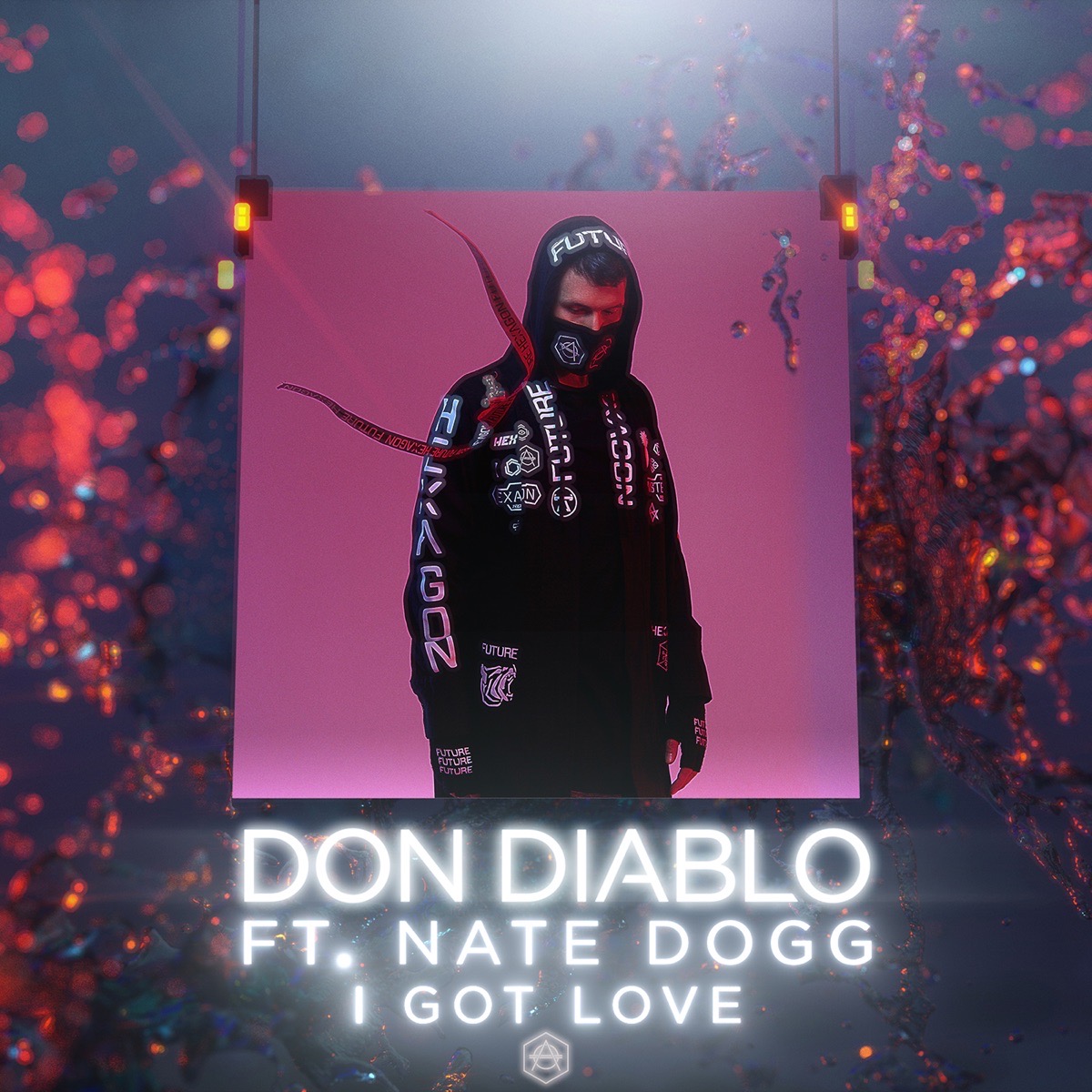
Pop music does not need to apologize for being pop music. This is the thesis statement of Radio Baby, the collaboration between Dutch producer Don Diablo and Los Angeles band Fitz and The Tantrums, and it is a thesis defended with an energy so infectious it borders on unreasonable.
The pairing is unexpected. Don Diablo operates in the electronic and dance space, building anthemic productions designed for festival stages and late-night drives. Fitz and The Tantrums are an indie pop and soul outfit whose charm has always been their ability to make exuberance feel natural rather than performed. On paper, these are different worlds. In practice, they share a common conviction: music should make you feel good, and there is no shame in that.
The Track
Radio Baby runs two minutes and forty-six seconds and wastes exactly none of them. The production is tight, bright, and propulsive without tipping into the exhausting maximalism that plagues a lot of contemporary pop-dance crossovers. Don Diablo's electronic framework gives the song its momentum. Fitz and The Tantrums give it a soul.
The vocals sit on top of the production with the kind of effortless buoyancy that is, in reality, extraordinarily difficult to achieve. It sounds casual. It sounds spontaneous. It sounds like the first take was the best take and everyone in the room knew it. Whether or not that is actually what happened is irrelevant. The feeling is there.
We Love Pop
There is a tendency in music criticism to treat pop as a lesser form, as something that needs to be elevated by irony or subversion to be taken seriously. Radio Baby rejects this entirely. It is a pop song that is proud to be a pop song. It wants to charm you and it succeeds. It wants to make you move and it does.
This is the lineage of music that makes no apology for its own joy. The golden era of pop maximalism, when a song's primary ambition was to make every listener feel like the main character in their own movie, is alive in tracks like this. Not as nostalgia. As continuation.
Sometimes a song does not need to be complicated to be undeniable. Radio Baby is proof.
Listen on SpotifyDon Diablo's Career in Context
Don Diablo, born Dylan Roelofs in the Netherlands, spent a decade building a reputation in the EDM circuit as a producer whose work was technically sophisticated without sacrificing its dancefloor function. The Hexagon label he founded in 2015 became a platform for a specific kind of melodic house and future bass that was polished enough for commercial radio but credible enough for the electronic music community that tends to view commercial radio as the enemy.
Radio Baby represents a natural evolution of that position rather than a departure from it. Don Diablo has always been interested in the intersection of electronic production and pop songcraft. The Fitz and The Tantrums collaboration gave him access to the kind of organic vocal energy and band-derived groove that electronic producers typically have to simulate. He did not need to simulate it here. He just had to build a frame strong enough to hold it.
Fitz and The Tantrums at This Point in Their Career
Fitz and The Tantrums formed in Los Angeles in 2008, which means by the time Radio Baby arrived they had been a band for well over a decade. The band's commercial peak was in the mid-2010s with HandClap, a song with a rhythm and energy that made it essentially impossible to not respond to physically. The challenge for any band that produces a song like that is avoiding the trap of chasing that particular lightning for the rest of their career.
Radio Baby suggests they have not fallen into that trap. It does not sound like a HandClap sequel. It sounds like a band that knows exactly what it does well, infectious, rhythm-driven pop with genuine emotional warmth, and is willing to find new contexts to do it in. The Don Diablo collaboration is one such context. It works because both parties played to their actual strengths rather than trying to meet each other halfway and producing something neither would be proud of.
The Pop-Dance Crossover Problem and Why This Avoids It
The graveyard of failed pop-dance crossovers is extensive. What typically goes wrong is a category error: producers who mistake "adding a drop" for dance music credibility, or bands who mistake "making it faster" for electronic music energy. Radio Baby avoids both failure modes because Don Diablo's production is genuinely rooted in dance music principles rather than dance music aesthetics, and Fitz and The Tantrums contribute something that cannot be produced, the feeling of a band in a room that has been doing this long enough to make it look effortless.
The Tame Impala and Dua Lipa collaboration on Radical Optimism is another example of a crossover that worked because it brought two genuinely different sensibilities together and let the tension between them generate something neither could have made alone. Radio Baby operates from different aesthetic coordinates but achieves the same result: a song that sounds like it could only exist from this specific collaboration.
That specificity is what makes pop worth defending. When it works, really works, there is nothing else quite like it.
Why Joy Is Underrated as a Creative Achievement
The critical vocabulary for discussing genuinely joyful music is impoverished compared to the vocabulary for discussing difficult music. Critics have developed detailed frameworks for evaluating complexity, subversion, challenge, and critique. The vocabulary for evaluating whether something successfully makes you feel good is much thinner.
This has consequences. It means that Radio Baby, which succeeds completely at what it sets out to do, will receive less analytical attention than records that attempt harder things less successfully. The bias is built into how music writing has evolved, from the implicit assumption that seriousness of purpose is a prerequisite for seriousness of attention.
Radio Baby does not care about any of this. It is two minutes and forty-six seconds of music that wants one thing from you, and it gets it every time. In 2024, making something this purely effective at its stated goal is more difficult than it looks. The market is saturated with attempts at exactly this kind of song. Most of them fail because the joy is performed rather than felt. Don Diablo and Fitz and The Tantrums found the real thing, and the difference is audible from the first bar.