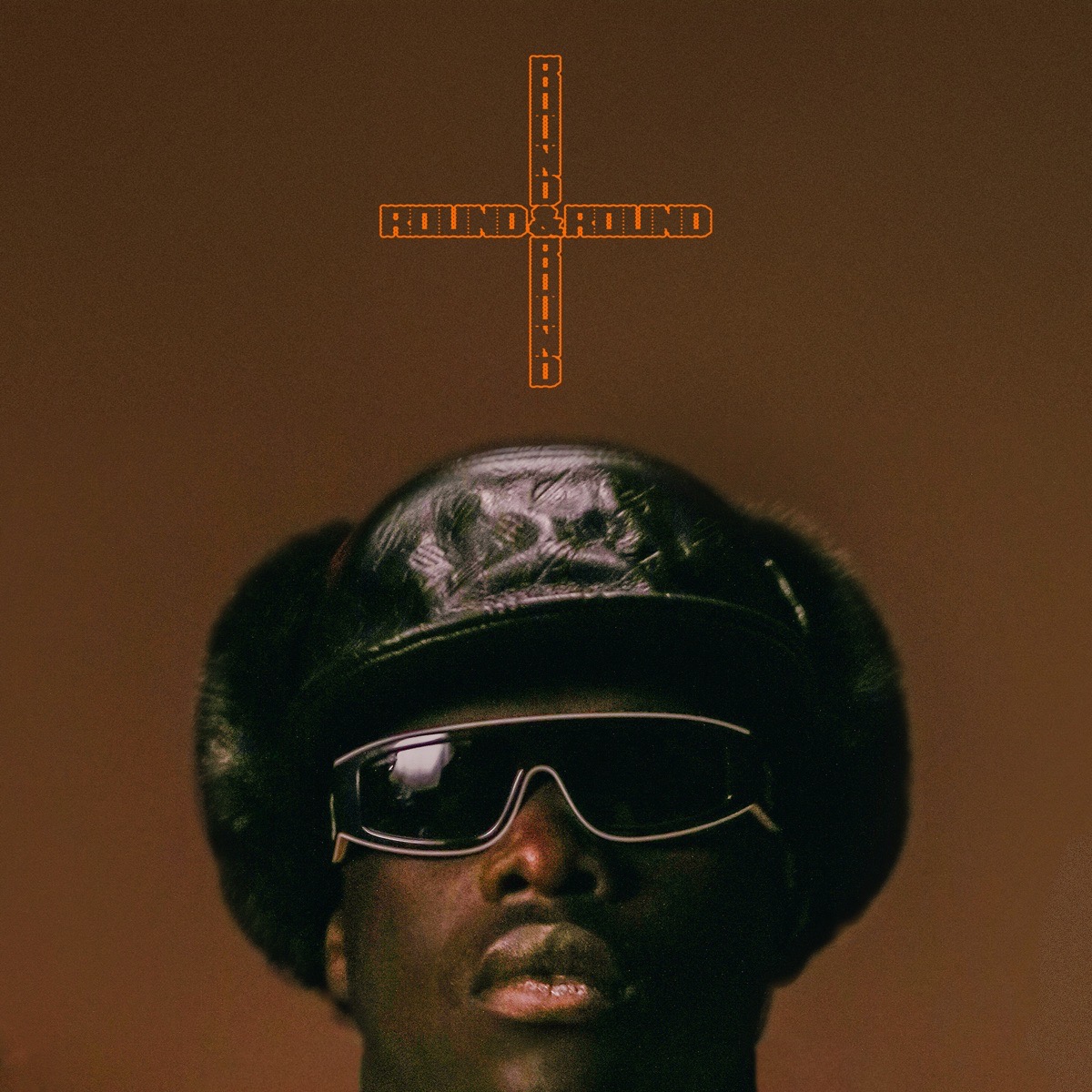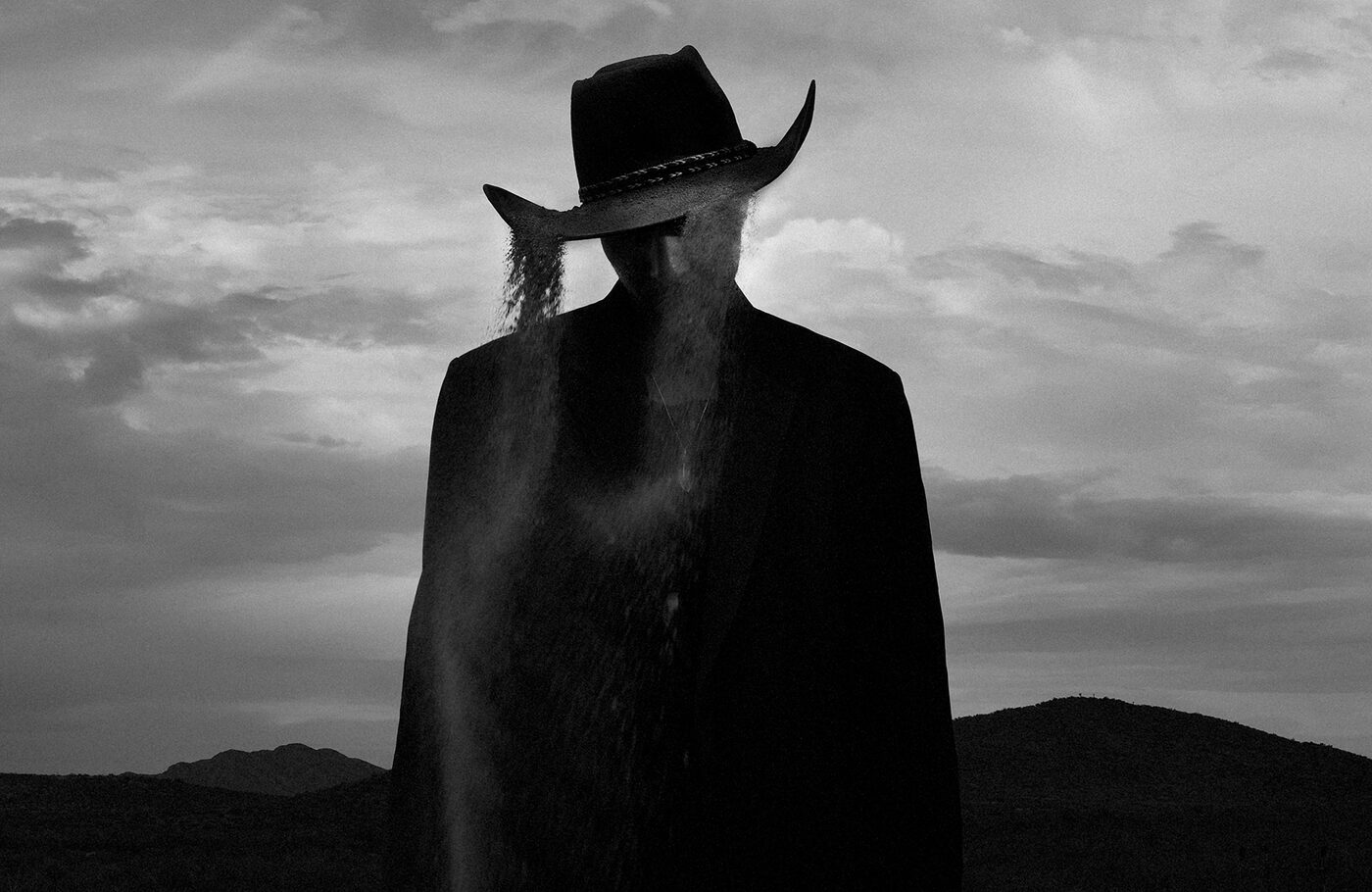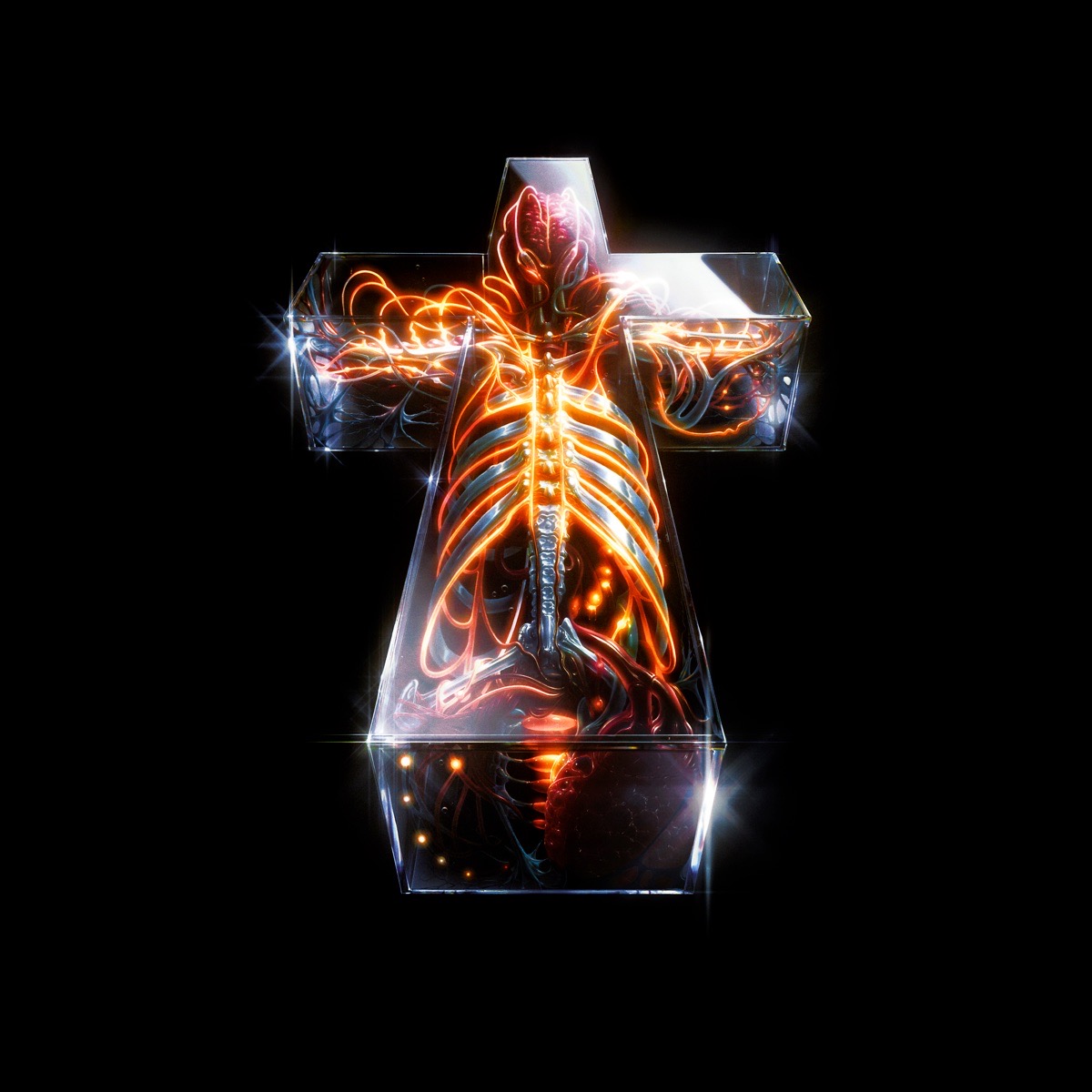
Seven years. That is how long Justice made the world wait between Woman and Hyperdrama. In an industry that treats a twelve-month gap between releases as a career risk, Gaspard Auge and Xavier de Rosnay disappeared for the better part of a decade and came back with an album that justified every second of silence.
Hyperdrama is Justice's fourth studio album and their most collaborative. Where previous records were hermetically sealed, built entirely within the duo's own sonic universe, Hyperdrama opens the door. Tame Impala appears. Miguel appears. The result is not dilution but expansion, the Justice sound stretched across new textures without losing its fundamental identity.
Neverender
The collaboration with Tame Impala, Neverender, is the album's centerpiece and arguably the best thing either act has produced in years. Kevin Parker's psychedelic vocal palette wrapped inside Justice's monolithic production creates something that should not work but works so well it feels inevitable. The track won Best Dance/Electronic Recording at the 2025 Grammys, a recognition that felt less like an award and more like an acknowledgment of fact.
The Tour
Justice launched their world tour at Coachella 2024 and ran through December 2025. Their live show has always been the definitive argument for their greatness, a spectacle of light and pressure that makes electronic music feel physical. The Hyperdrama tour was no exception.
Why It Matters
Justice belong to a vanishingly small category of electronic artists who have maintained creative relevance across multiple decades. Cross, released in 2007, redefined what French electronic music could be. Audio, Video, Disco expanded the palette. Woman refined it. Hyperdrama proves that the duo is not running on legacy. They are still building.
The Grammy was deserved. The album is essential. And the fact that they made everyone wait seven years only to deliver something this fully realized is the most Justice thing imaginable.
The Cross Legacy and What Came After
Cross was not just an album. It was a structural event in electronic music history. Released in 2007, it arrived at a moment when the dancefloor and the rock stage were converging in ways that made the old categorical distinctions seem not just irrelevant but actively mistaken. Justice's guitar-sample saturation, their wall-of-sound distortion approach, their refusal to choose between the nightclub and the stadium, all of it was so decisively executed that it established a template every subsequent French electronic act was forced to either follow or actively resist.
What is remarkable about Hyperdrama, seventeen years after Cross, is that Justice has not retreated to that template even though it would be commercially rational to do so. Instead, they have stretched. The Miguel collaboration on Saturnine in particular moves them into territory that Cross never touched: slow, sensual, R&B-inflected, with Justice's characteristic density dialled back to create space for a voice that needs room to breathe. The contrast with their own earlier work is striking and deliberate.
The French Connection
Justice emerged from a specific historical moment in French electronic music that produced Daft Punk, Cassius, Breakbot, and a generation of producers who shared certain aesthetic values: the primacy of groove, the use of saturation as texture rather than damage, an engagement with American funk and soul that was reverential without being imitative. The Ed Banger Records scene that spawned Justice was a particular flowering of this tradition.
That scene has largely dispersed, but Justice have outlasted most of their contemporaries by never being fully of their moment even while defining it. Daft Punk retired. The Ed Banger aesthetic lost its cultural centrality. Justice kept working, and Hyperdrama is the proof that their longevity is earned rather than merely persistent. The Dua Lipa and Kevin Parker collaboration that defined 2024 pop owes something to the same French sensibility, the idea that dance music and pop songwriting are not separate disciplines but aspects of a single project.
Collaboration as Evolution
The decision to open Hyperdrama to outside voices was not simply a commercial strategy to expand the audience. It was a compositional choice with real consequences for what the album sounds like. Tame Impala's Kevin Parker and Justice share a sensibility around maximalist production and psychedelic texture that made their collaboration feel overdetermined in the best way. But the Miguel collaboration pushed in a direction that neither artist had previously explored together, and the fact that it works as well as it does suggests that Justice spent their seven-year hiatus thinking hard about where their sound could go rather than simply refining what they already knew.
This willingness to be genuinely changed by collaboration rather than using collaborators as decoration is rare in electronic music, where features often function as guest appearances in a host's clearly defined sonic environment. On Hyperdrama, the guests reshape the environment. That is the album's most significant accomplishment.
The Miguel Collaboration Examined
The Saturnine collaboration with Miguel is the track that most clearly demonstrates how far Justice's ambitions extended with Hyperdrama. Miguel's voice, rich, sensual, technically precise in a way that has always distinguished him from his R&B contemporaries, required Justice to build a production that could support that kind of vocal weight without overwhelming it. The result is the most restrained production on the album, which is not a compliment most people associate with Justice but should be.
Restraint in a Justice production means that the elements present are still operating at intensity, but the arrangement leaves room for something outside the duo's sonic world to breathe. That this works as well as it does suggests that the seven-year hiatus was spent thinking seriously about what the band could do rather than simply perfecting what they already knew. Miguel's own career has always rewarded artists willing to work on his terms, and Justice, in ceding space they would normally fill, produced one of the album's best moments.