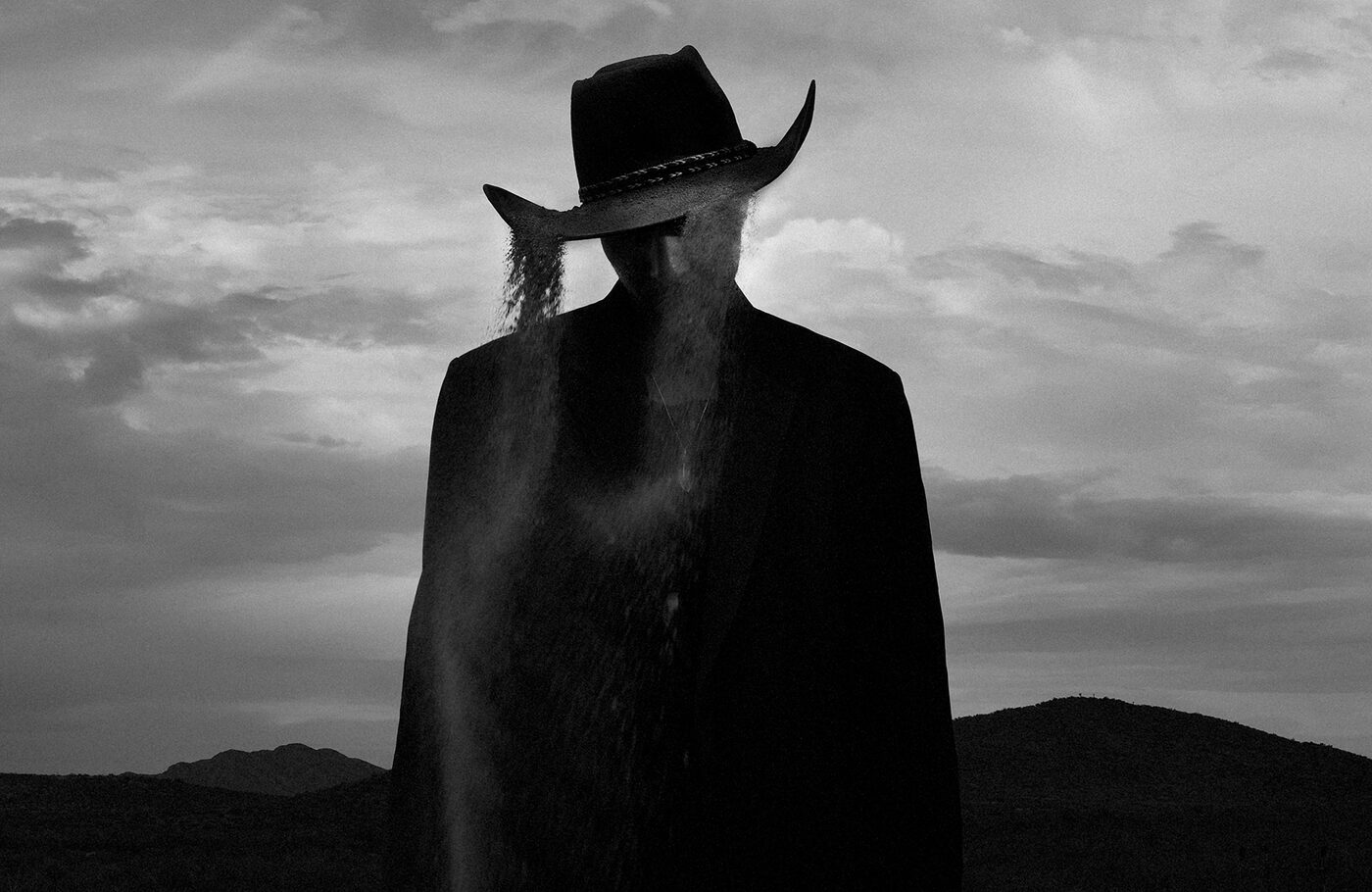
Beyond Crossover
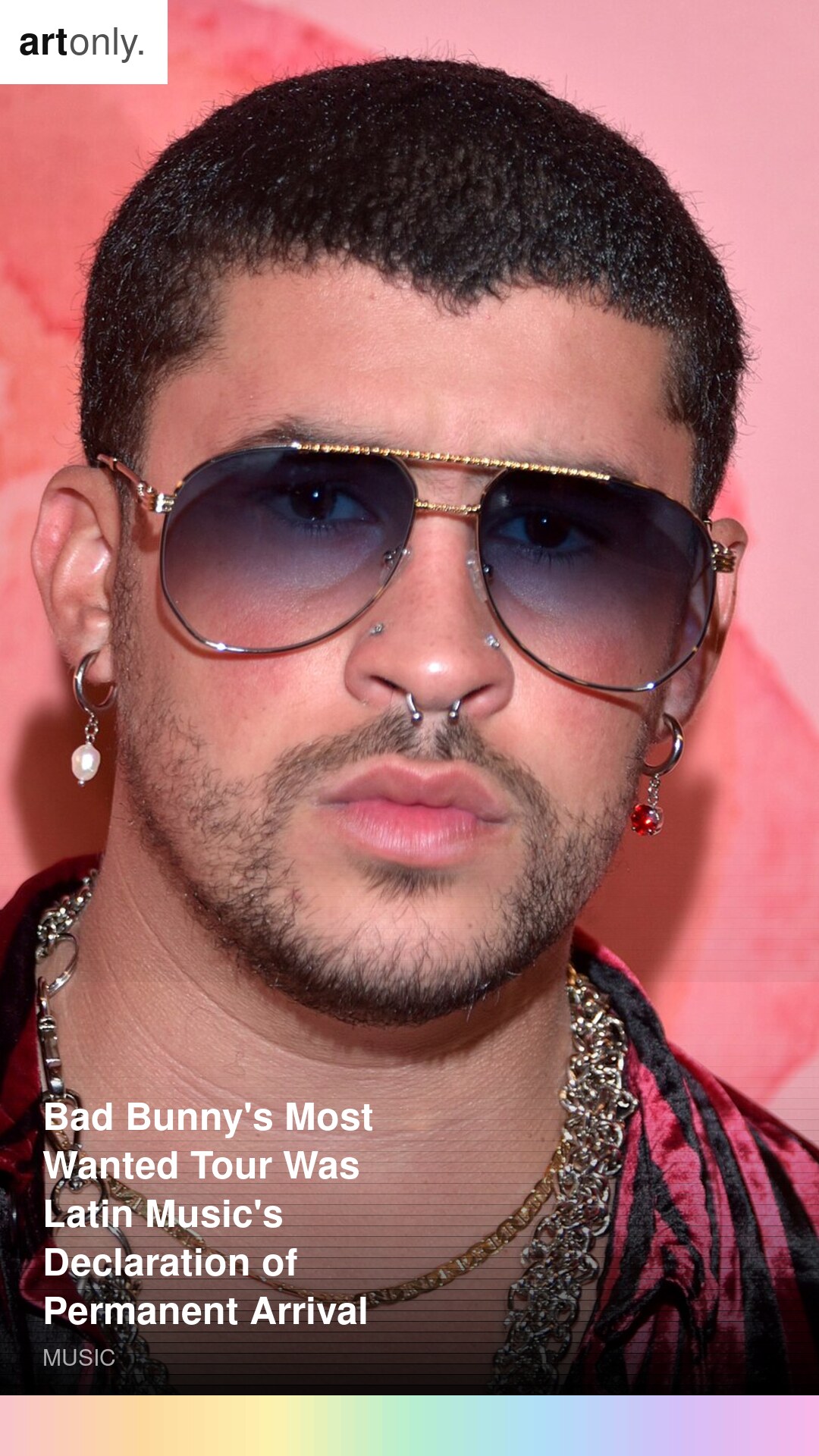
Bad Bunny's Most Wanted Tour in 2024 was not a crossover moment. The language of crossover implies movement from margin to center, from niche to mainstream, from foreign to familiar. What Bad Bunny demonstrated was that the center had already moved. Latin music was not crossing over into anything. It was the thing that everything else was crossing over into.
The Scale
The tour's numbers were staggering by any standard. Stadiums filled across North America, Latin America, and Europe. The production was massive, incorporating elaborate staging, theatrical elements, and a visual ambition that matched the music's scope. But the most striking aspect was the demographic breadth of the audiences. These were not niche crowds. These were mainstream audiences of extraordinary diversity.
The Artistic Statement
Bad Bunny has always been a more interesting artist than his commercial success might suggest to casual observers. His willingness to incorporate reggaeton, trap, dembow, merengue, rock, and experimental production into a coherent artistic vision reflects a genuinely adventurous creative sensibility. The Most Wanted Tour showcased this range, moving between aggressive club energy and introspective balladry with a confidence that kept stadium audiences engaged across lengthy sets.
Cultural Significance
The tour's significance extended beyond music into broader cultural territory. Bad Bunny has been vocal about Puerto Rican identity, political issues, and gender expression in ways that challenge traditional masculinity norms within Latin music culture. His willingness to wear nail polish, challenge homophobia, and address political corruption has made him a cultural figure whose influence extends well beyond entertainment.
The New Reality
What the Most Wanted Tour confirmed is that the global music industry's center of gravity has permanently shifted. Spanish-language music is not a genre. It is a universe, with its own hierarchies, aesthetics, and commercial infrastructure that operates independently of English-language music industry validation. Bad Bunny did not need permission from the Anglo-American music establishment. He simply demonstrated that the establishment was no longer the only game in town, and possibly not even the biggest one.
The Puerto Rico Factor
Bad Bunny's identity as a Puerto Rican artist is inseparable from his significance. Puerto Rico occupies a strange position in the Latin music ecosystem, connected to the United States politically but culturally distinct, part of the same island that produced salsa's New York evolution and reggaeton's earliest infrastructure. Bad Bunny has never allowed his American commercial success to soften his Puerto Rican specificity. His records address the island's colonial status, its hurricane recovery, its political corruption, in ways that English-language artists rarely confront their home country's complications.
The Most Wanted Tour arrived in the context of Un Verano Sin Ti, the 2022 album that cemented his status as the most streamed artist on Spotify and produced music that was too Puerto Rican to be politely global. It was full of beach references specific to the island, collaborations with artists from the local scene, and a sonic palette that drew as much from bolero and plena as from trap. That an album this rooted in a specific place became globally dominant is one of the more extraordinary facts of recent pop history.
The Live Production Context
Comparing the Most Wanted Tour's production ambition to its contemporaries is illuminating. The Renaissance Tour set a new benchmark for what a stadium show could accomplish when an artist operates with complete creative authority. The Eras Tour rewrote the commercial rules of live music entirely. Bad Bunny's tour belongs in this company not because its scale matched theirs, it exceeded both in some markets, but because it operated with the same conviction that spectacle and substance are not competing values.
The staging drew from the visual language of the trap era, the dark aesthetics, the industrial production design, and then subverted it with color, theatrical interruptions, and the kind of intimate crowd moments that large-scale shows typically sacrifice for logistics. It was a show made by someone who had spent years in the front rows of other people's performances and internalized what actually works.
The Longer Argument
The Most Wanted Tour made an argument that will outlast the ticket receipts: that an artist who refuses to dilute their cultural identity for commercial consumption and who insists on making music rooted in a specific language and place can build a global audience larger than the one that demanded the dilution. This is the same argument that Afrobeats has been making from a different direction. The answer, in both cases, is the same: specificity is not a barrier to universality. It is the path to it.
Bad Bunny proved it on the stadium stage, night after night, in front of every kind of audience imaginable. The debate is over.
The Ticket Market as Measurement
The secondary ticket market for the Most Wanted Tour was one of the most reliable measures of its cultural weight. Resale prices for major North American dates reached levels that rivaled Taylor Swift's Eras Tour in certain markets, a comparison that would have seemed absurd to mainstream industry observers five years earlier but registered as entirely appropriate to the audiences who understood what they were in line to witness.
The fan demographics at the box office and in the resale market told a specific story. These were not casual concertgoers who bought a ticket because Bad Bunny was on the radio. These were invested fans who had been following him across multiple albums and projects, who understood the artistic progression from X 100pre through Un Verano Sin Ti, and who treated a ticket as access to a significant cultural event rather than an evening's entertainment.
This kind of deep audience engagement is what separates career artists from trend artists, and it is built over years of releasing music that takes the audience seriously. Bad Bunny has always done that. The Most Wanted Tour was simply the moment when the scale of what he had built became undeniable to anyone who had not been paying attention.