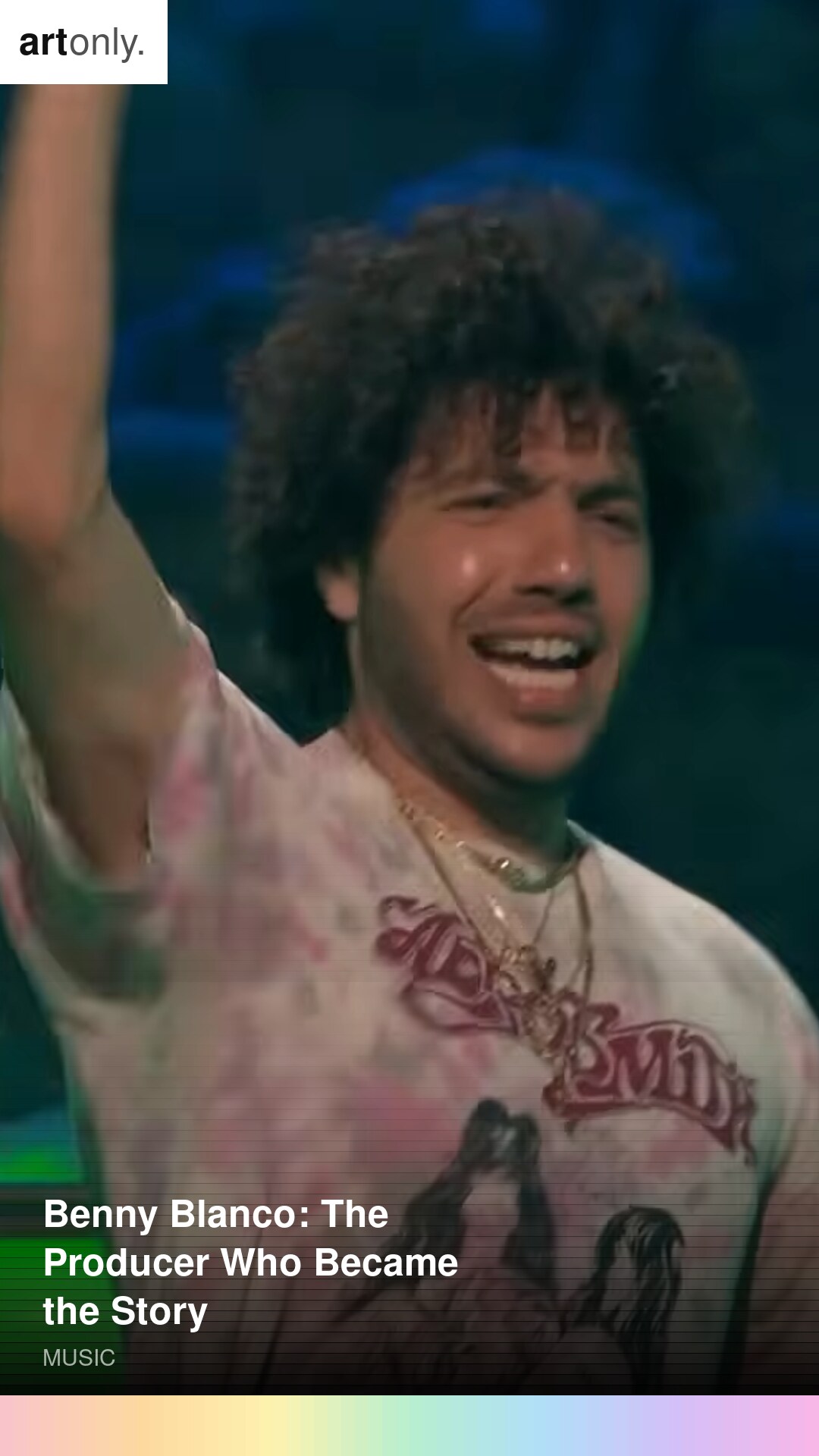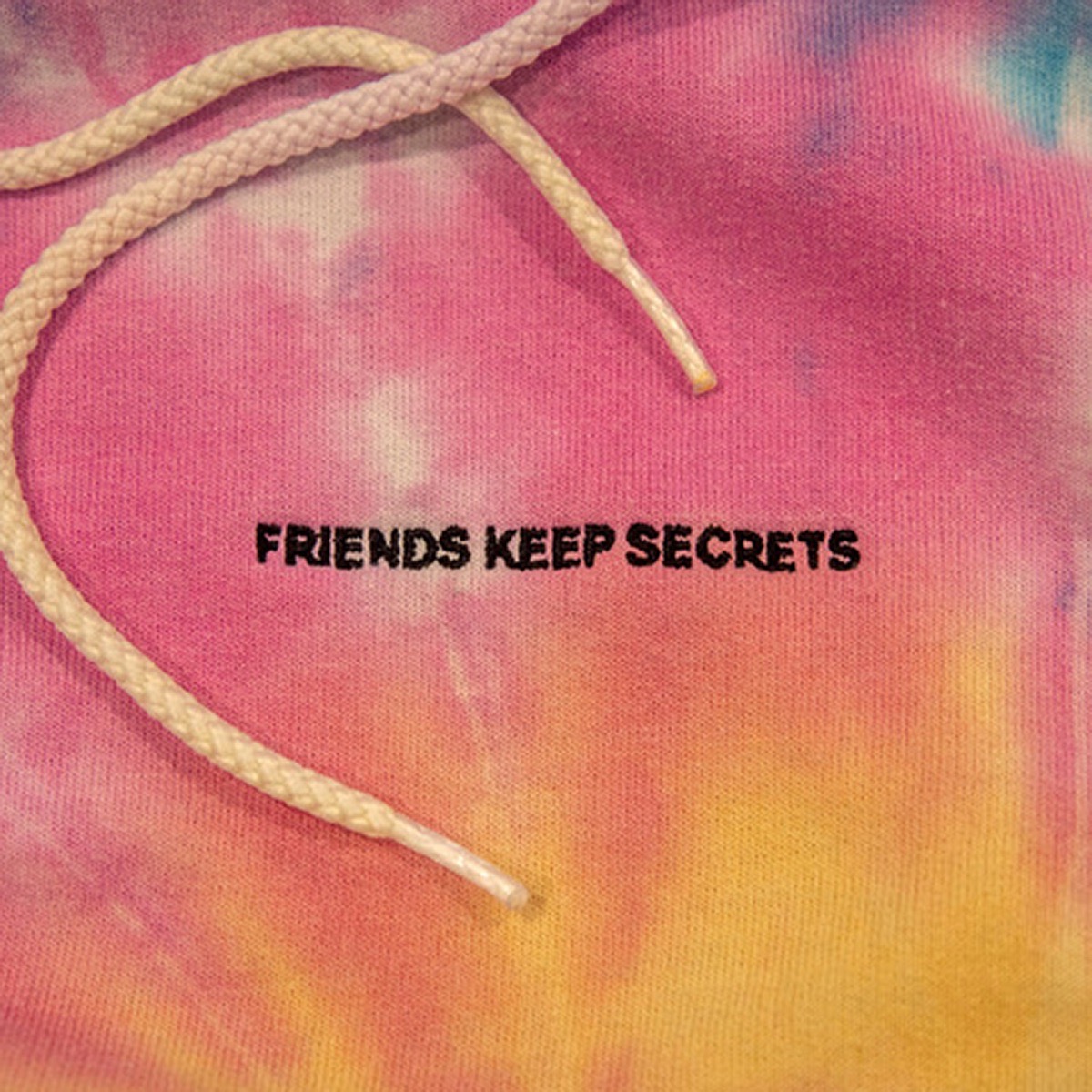
For over a decade, Benny Blanco was the name in the credits that people skipped past on their way to the artist. He produced for Rihanna, Ed Sheeran, Justin Bieber, Halsey, and Juice WRLD. He co-wrote songs that collectively accumulated billions of streams. He was, by any measure, one of the most successful producers in pop music history.
And then he started dating Selena Gomez, and suddenly the world wanted to know who Benny Blanco was.
The Relationship as Narrative
The timeline: dating began in June 2023. Engagement in December 2024. Marriage in September 2025. A collaborative album with Gomez, I Said I Love You First, released in March 2025. Singles included Call Me When You Break Up featuring Gracie Abrams and Sunset Blvd.
The album was a document of their relationship rendered as pop music, personal without being exhibitionist, romantic without being naive. It worked because both artists brought genuine craft to the project rather than relying on the narrative alone to generate interest.
The Producer's Ear
What makes Benny Blanco valuable, beyond the tabloid narrative, is his ear. He has an almost supernatural ability to identify the sonic center of a song and build outward from there. His productions are never cluttered. They are never over-decorated. They serve the vocal, the melody, and the emotion, in that order.
His solo and collaborative releases outside the Gomez project have continued to demonstrate this. Degenere with Myke Towers in October 2024 hit number one on the Latin Pop, Latin Airplay, and Latin Rhythm charts, proving that his instincts translate across languages and genres.
The Shift
Benny Blanco's transition from behind-the-scenes producer to public figure is one of the more interesting identity shifts in recent pop culture. He has managed it with a self-deprecating humor that disarms the inevitable scrutiny. He knows he does not look like a pop star. He does not try to. And that refusal to perform a version of celebrity that does not fit him is, paradoxically, what makes him compelling.
The music remains the foundation. Everything else is just the part people talk about.
The Producer Visibility Shift
Benny Blanco's emergence as a public figure is part of a broader industry shift in how producers are perceived. For most of pop history, producers were infrastructure. They were the people who built the room where the artist performed. Credit existed in the liner notes but not in the cultural narrative. The star was the star.
That model started breaking down with hip-hop, where producers like Dr. Dre and Pharrell built artist-level identities alongside their production careers. It accelerated with the streaming era, where credits became searchable and listeners could trace the sonic DNA of their favorite songs back to the people who built them. By the time Benny Blanco was making tabloid covers, the concept of a producer as celebrity was already established. He is the pop music version of a phenomenon that started in hip-hop twenty years earlier.
What makes his case distinctive is the combination of relationship visibility and genuine artistic output happening simultaneously. He was not simply famous for being famous adjacent to Selena Gomez. He was releasing music, charting singles, demonstrating the skills that justified the attention. That combination, narrative interest and artistic substance, is the formula for sustainable visibility.
The Collaborator Network
The map of Benny Blanco's collaborators tells you everything about his position in the industry. He works with artists from across genres, generations, and languages: Khalid, whose breakthrough he helped engineer with Location and the early album cycle; Ed Sheeran, with whom he has maintained a working relationship across multiple album cycles; and now Myke Towers, demonstrating that his Spanish-language instincts are as reliable as his English-language ones.
This breadth is not accidental. Producers with ears as good as Blanco's tend to find that the skills that make a great pop hook also make a great reggaeton hook. The principles are the same: serve the vocal, emphasize the emotion, leave room for the song to breathe. The best production relationships in contemporary pop, like the Dua Lipa and Kevin Parker partnership on Radical Optimism, work because the producer subordinates their own aesthetic signature to the needs of the specific project. Blanco does this consistently, which is why so many different artists want to work with him.
What the Next Chapter Looks Like
The Whatever's Clever! album represents a meaningful test for whether Blanco can sustain artist-level attention without the relationship narrative doing most of the heavy lifting. The answer, if the music is as strong as his best work, is yes. Charlie Puth faces a similar test of proving whether sustained talent can translate to sustained recognition, both artists are defined by a gap between industry respect and public profile, and both are working to close it through the music rather than around it.
Benny Blanco did not become interesting because he started dating a celebrity. He became visible. The interest was already there in the music, waiting for someone to look.
The Craft That Makes Everything Else Possible
Strip away the relationship narrative and the tabloid visibility and what remains is a producer whose specific combination of technical ability and emotional instinct is genuinely unusual. Benny Blanco can hear what a song needs before the artist has articulated it. This is the gift that has made him irreplaceable to the roster of artists who keep coming back.
The pop music production landscape in 2025 is crowded with technically skilled producers who can execute any sound a brief requires. What differentiates the handful who consistently produce culturally significant work from the rest is this quality of hearing, the ability to sense the emotional center of a piece and make every decision in service of it. Blanco has it. It is why Rihanna's verses, Sheeran's choruses, and Bieber's bridges all reached people in the specific way they did. And it is why the Gomez collaboration worked when every cynical interpretation of it suggested it should not.
The tabloid version of Benny Blanco's story ends with the celebrity couple. The actual version is still being written, track by track, in the studio, where the quality of the work determines everything.