From Dropped to Dominant
The Chappell Roan story is one of the most compelling narratives in recent pop history. An artist who was dropped by her label, who spent years playing to small rooms and building a grassroots following, who suddenly exploded into festival-headlining, chart-topping visibility in the span of a few months. The trajectory defies the typical industry playbook, and that is precisely what makes it significant.
The Music That Ignited Everything
Roan's debut album The Rise and Fall of a Midwest Princess had been out for nearly a year before the world caught up to it. The songs drew from an eighties pop palette filtered through a distinctly contemporary queer sensibility. The production was lush and theatrical, the vocals were powerful and expressive, and the songwriting had a specificity that transformed personal experience into universal anthem material.
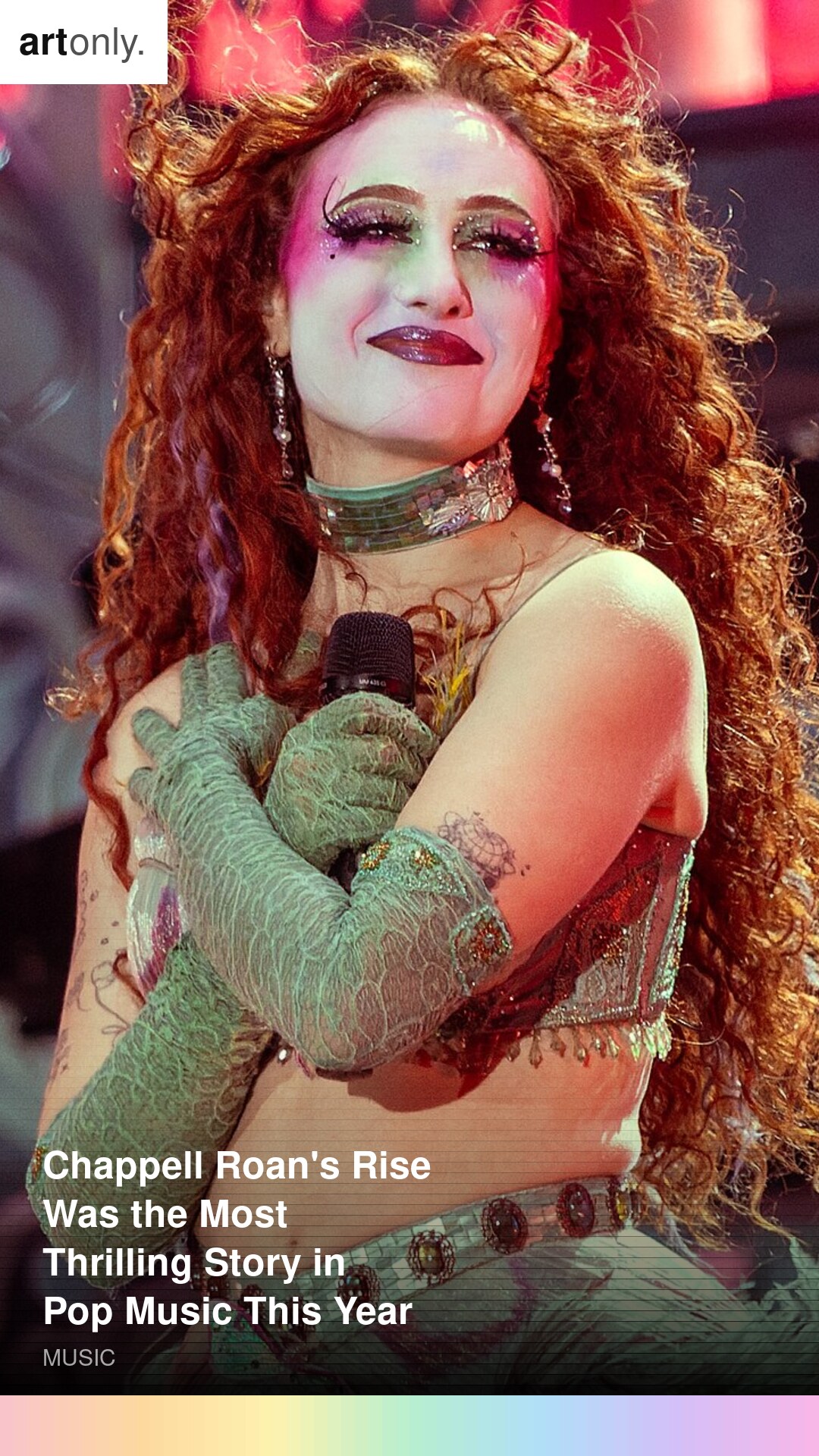
What distinguished Roan from the crowded field of emerging pop artists was commitment. Every performance was a full production. The drag-inspired aesthetic, the elaborate costumes, the unrestrained stage energy -- it all communicated an artist who understood that pop music at its best is a complete sensory experience.
The Festival Moments
The summer of 2024 belonged to Chappell Roan in a way that no one could have predicted at the start of the year. Festival appearances that had been booked when she was still a rising act became landmark events as audiences swelled beyond capacity. The energy at these shows was almost feral, with crowds singing every word and matching her theatrical energy with their own costumes and face paint.
These moments were documented extensively on social media, and each clip that went viral pulled more people into the orbit. The growth was exponential and organic in a way that label marketing departments dream about but rarely achieve.
The Conversation Around Fame
Perhaps the most interesting aspect of Roan's rise was her willingness to publicly grapple with its consequences. She spoke openly about the discomfort of sudden fame, the invasiveness of parasocial relationships, and the mental health toll of rapid visibility. In doing so, she introduced a level of honesty into the pop star discourse that felt genuinely new. She refused to perform gratitude for conditions that were harming her, and that refusal resonated with audiences who recognized the courage it required.
The Label Drop and What It Actually Means
The detail that Chappell Roan was dropped by Atlantic Records before her career took off is more than a sympathetic origin story. It is evidence of a structural problem in how the industry evaluates developing pop artists. Atlantic did not drop her because she lacked talent or commercial potential. They dropped her because the specific commercial timeline they had projected for her did not materialize fast enough.
This is the fundamental tension between how great pop careers actually develop and how major label accounting departments need them to develop. Roan's music was not failing. It was accumulating. There is a difference, and the industry's difficulty in distinguishing between the two has cost it credit for discovering more artists than it can count. The artists that labels drop, who then succeed independently, become case studies in the institution's failure of patience.
The Rise and Fall of a Midwest Princess was released through Atlantic, which means the label still benefited financially from the success it had nearly prevented. The irony is thick enough to taste.
The Queer Pop Tradition
Roan's aesthetic draws from a tradition of theatrical queer pop performance that stretches through the eighties glam era, the disco and Hi-NRG scene, the drag circuit, and the more recent wave of queer-coded pop that includes artists like Kim Petras, MUNA, and Troye Sivan. What distinguishes her within this tradition is the combination of vocal power and theatrical specificity.
The drag-inspired presentation is not costume. It is language. The elaborate makeup and costuming communicate a relationship to identity performance, the idea that presenting yourself to the world is always a construction, always a choice, that is central to queer culture in ways that cannot be reduced to fashion. When Roan performs in full look, she is making an argument about selfhood that would take a thousand words to articulate and takes two minutes of stage presence to convey.
The cultural conversation around identity performance in pop has been charged throughout this period, Bad Bunny's challenges to Latin masculinity norms operate from a different cultural context but engage the same fundamental question about what authenticity means when every public presentation involves construction.
Hot to Go and the Audience Participation Economy
The Hot to Go audience participation moment became one of the defining viral images of 2024 festival season. Thousands of people spelling out the letters with their arms, the synchronized collective action of a crowd that had learned the choreography from social media before arriving at the show. It is the new version of a lighter-held-up moment, participatory rather than observational, active rather than passive.
This kind of moment does not happen by accident. It requires a song structured for participation, a performer skilled enough to teach the room, and an audience primed enough by social media to arrive already knowing the bit. Roan had all three, and the result was a kind of collective experience that the streaming era was supposed to have eliminated. The question of whether live music can still produce genuine communal moments has been answered emphatically in the affirmative by a series of artists in this period who figured out how to create intimacy at scale. Roan joins that short list.
The rise was real. The music earned it.