The Art of Reinvention
FKA Twigs has never been an artist content to repeat herself, and the Eusexua era proved that her appetite for transformation remains insatiable. The project, centered around a self-coined term describing a state of euphoric physical and spiritual transcendence, positioned Twigs at the intersection of club culture, performance art, and pop ambition in a way that felt genuinely unprecedented.
A New Vocabulary
The concept of eusexua itself was ambitious to the point of provocation. Inventing a word and building an entire artistic universe around it is the kind of move that either reads as visionary or pretentious, and Twigs seemed entirely comfortable with that ambiguity. The associated music leaned heavily into electronic production, drawing from UK dance music traditions while maintaining the ethereal vocal textures that have defined her work since the beginning.
The Visual World
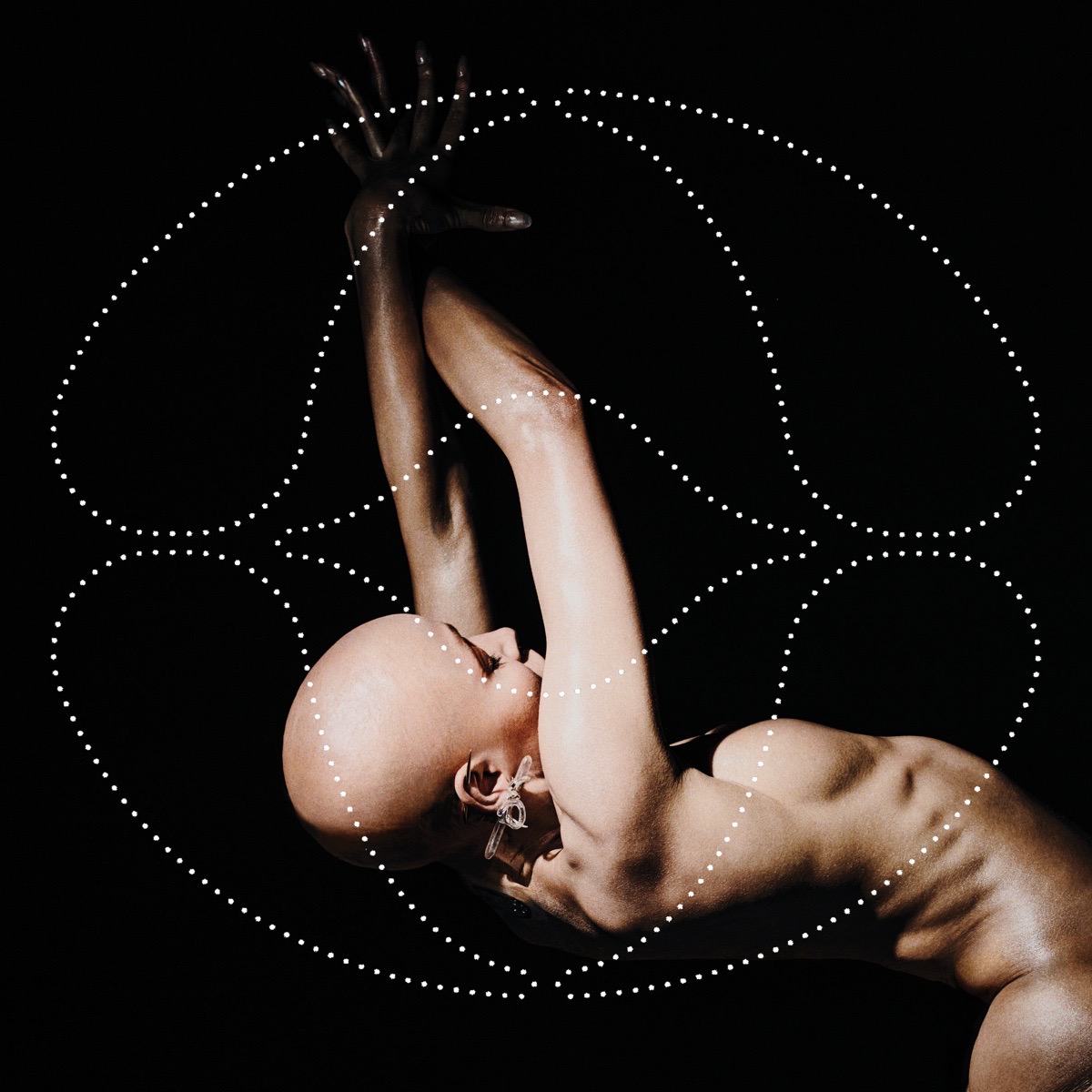
As always with Twigs, the visual component was inseparable from the sonic one. The imagery surrounding Eusexua drew from rave culture, fashion photography, and contemporary dance in equal measure. Music videos functioned as short films. Live performances incorporated choreography that demanded athletic precision. Twigs continued to treat the body as her primary artistic medium, pushing physical expression into territory that most pop artists would never attempt.
Club Culture Reclaimed
The most interesting dimension of the Eusexua project was its engagement with dance music not as a trend but as a lived culture. Twigs spent visible time in club spaces, collaborated with underground producers, and seemed genuinely immersed in the communities she was drawing from. This stood in contrast to the many pop artists who periodically adopt electronic music aesthetics without any real engagement with the culture.
The Twigs Paradox
FKA Twigs remains one of the most fascinating paradoxes in contemporary music. She is simultaneously too avant-garde for mainstream pop and too pop for the avant-garde. The Eusexua era did not resolve this tension. It deepened it, which is precisely what makes her one of the most compelling artists working today.
The Career Behind the Concept
Understanding why Eusexua landed the way it did requires tracking how far Twigs has traveled since her 2014 self-titled debut. LP1 established her as an artist operating outside conventional pop structures. M3LL155X pushed the body-as-instrument idea into genuinely confrontational territory. Magdalene in 2019 stripped everything back to reveal something raw and devastating, a record about pain that refused to be comforting. CAPRISONGS in 2022 loosened the architecture and let in features and levity. Each project was a deliberate rupture with the last.
Eusexua represents a kind of synthesis of all of it. The electronic rigour of LP1, the physical extremity of M3LL155X, the emotional weight of Magdalene, and the communal pleasure-seeking of CAPRISONGS all inform the project without any single element dominating. The result is the most complete articulation of what Twigs has always been attempting: music that operates on the body and the mind simultaneously.
The Broader Landscape
Twigs arrived at the eusexua concept during a period when electronic music was experiencing a broader renegotiation of its relationship to mainstream pop. Artists like Charli XCX were redefining what pop aesthetics could be, and the underground club sounds of Jersey club, UK bass, and ambient rave were finding increasingly wide audiences. Twigs was not following this trend. She was partly responsible for creating the conditions that made it possible. Her insistence on bringing extreme musical ideas to general pop audiences, without softening them, cleared a path that others have since walked.
The eusexua concept also engaged with a long tradition of artists who coined terminology to describe experiences beyond existing vocabulary. This is a lineage that runs through Bjork's entire career, through Kate Bush's insistence on the primacy of lived sensation over abstract technique, through the more recent work of producers like Sinjin Hawke, whose spatial, body-oriented approach to electronic production shares DNA with what Twigs was building.
The Verdict
Eusexua will not be the project that converts listeners who have always found Twigs impenetrable. It is not designed for conversion. It is designed for the people already inside the experience, who understand intuitively that the goal is not to be understood by everyone but to articulate something true for those who feel it. On that measure, it succeeds completely.
The Critical and Commercial Position
Eusexua arrived to critical reception that reflected the inherent difficulty of writing about Twigs' work. Publications that prize accessibility struggled with an album that refused to make itself accessible. Publications that prize difficulty found the pop ambition suspect. Neither camp had the right framework, which is precisely where Twigs has always existed.
The commercial performance was strong by avant-garde standards and modest by mainstream pop standards. This is not a failure. It is the appropriate market response to an artist who is not optimizing for mainstream success. Twigs has never needed the charts to validate her relevance, and Eusexua did not change that calculation.
What the project demonstrated most clearly is that the eusexua state she was describing, that specific quality of physical and spiritual transcendence available in the right kind of dancefloor experience, is genuinely communicable through music. You can hear it in the album. Whether you have experienced the state yourself or not, the music transmits something that feels true to the concept.
This communicability is the project's ultimate success. Not chart positions, not critical consensus, not streaming numbers. The fact that the idea travels from the artist to the listener intact. For the kind of music Twigs makes, that is the only metric that matters. Related artists navigating similar territory between the underground and pop ambition include Fred Again.., whose own project of translating intimate experience into collective catharsis follows a different but parallel logic.