The trajectory from Filthy Frank to Glimpse of Us is one of the most improbable in modern music. George Miller, performing as Joji, went from deliberately abrasive internet comedy to creating one of the most emotionally devastating pop songs of 2022, a track that peaked at number eight on the Hot 100 and announced, definitively, that this was not a joke.
And then he disappeared.
Smithereens arrived in November 2022, a brief and uneven album that felt rushed compared to the meticulous Nectar. And after that, silence. Joji stepped away from public life with a thoroughness that suggested the departure might be permanent.
The Break With 88rising
After five years with 88rising, the label that helped build the bridge between his internet persona and his music career, Joji left. The details were not public. What followed was the launch of Palace Creek, his own imprint distributed through Virgin Music and Universal Music Group. The move signaled autonomy, a desire to control the creative and commercial infrastructure around his music rather than operate within someone else's framework.
Pixelated Kisses
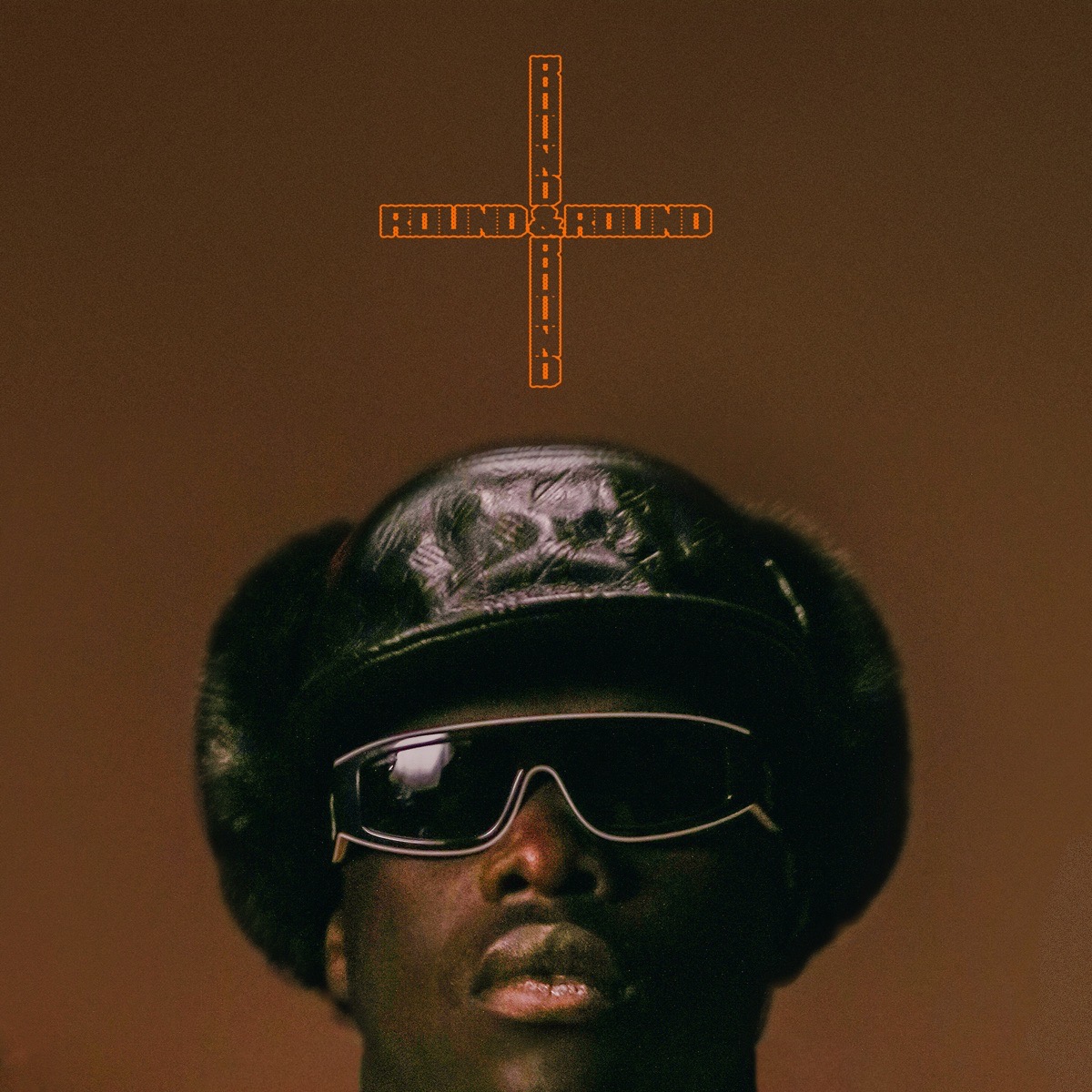
In October 2025, Joji returned with Pixelated Kisses, a self-produced single that was darker and grittier than anything on Smithereens. The track suggested an artist who had used his time away not to rest but to recalibrate, stripping back the polish that had occasionally smoothed out the rough emotional edges that made his best work so compelling.
What Comes Next
Joji has not announced an album. He has not announced a tour. He has released a single and let it exist without the scaffolding of a traditional campaign. For an artist whose entire career has been defined by doing things differently, this is consistent.
The audience is waiting. Glimpse of Us proved that Joji can make music that reaches millions without compromising the emotional specificity that makes it matter. Whatever comes next will arrive on his schedule, through his label, on his terms. That alone is worth paying attention to.
The Filthy Frank Legacy and the Cost of Reinvention
Joji's reinvention is genuinely unprecedented in its magnitude and its success. The Filthy Frank character was not a soft persona designed to be shed for something more palatable. It was aggressively abrasive internet content built for a specific niche. Transitioning from that to earnest pop music in his own name, using his real name, required not just a career pivot but an act of identity reconstruction that the music industry has no established template for.
What made it work was the quality of the music, but also the absolute nature of the departure. Joji did not graduate from comedy to music gradually. He stopped the comedy entirely and arrived in a different space as if the previous version had never existed. This totality is rare. Most artists drag their origin story into their new phase, using it as context or backstory. Joji simply left it behind and let the music speak without explanation.
The emotional register of his music, fragile, specific, located precisely in the space between hope and resignation, has nothing to do with his internet origins except in the sense that the discipline and work ethic required to produce viral content at scale probably informs how seriously he takes the craft of production. What Filthy Frank and Joji share is obsessive attention to the specific effect of a specific thing on a specific audience.
The 88rising Question
The separation from 88rising merits attention because the label's role in Joji's rise was substantial. 88rising built an audience for Asian artists in Western markets at a time when those crossover routes were poorly defined. Rich Brian, Higher Brothers, and Joji were the pillars of an experiment that mostly worked. The community the label built around its roster gave each individual artist a platform to reach listeners who might otherwise have discovered them years later.
Joji's departure raises a question the label has not fully answered: was the audience built for 88rising or for the individual artists? The answer seems to be both, and the fact that Joji has maintained and grown his fanbase through an extended absence and label transition suggests the audience is genuinely his. Palace Creek is a bet on that loyalty. Given the numbers around Glimpse of Us and its continued streaming performance years after release, it is a well-founded bet.
What Pixelated Kisses Signals
The grittier production on Pixelated Kisses is significant because it suggests Joji is moving away from the cleaner, more orchestrated sound of Nectar rather than returning to it. The time away seems to have clarified something about the emotional territory he wants to occupy. Nectar was expansive. Pixelated Kisses is compressed. Something has been concentrated.
This is worth paying attention to in the context of the broader shift happening in alternative pop and R&B, where artists like Arlo Parks and others are finding that interiority and compression, the small and specific rather than the grand and sweeping, is where the most resonant work is happening. Joji has always been at his best when he is most compressed. Pixelated Kisses suggests he knows this about himself now with more confidence than he did before the silence.
The Stakes of the Return
Joji's return with Pixelated Kisses carries specific stakes that most artists' comebacks do not. Glimpse of Us was so precisely executed, so perfectly calibrated to its emotional register, that any follow-up faces the question of whether that level of precision was a peak or a floor. Pixelated Kisses answers by refusing to attempt the same thing. The darker, grittier production suggests an artist who has identified the emotional territory he is moving toward rather than the territory he has already mastered. That directional clarity is more valuable than a safe repetition of what already worked.
Palace Creek is the infrastructure that makes this kind of artistic self-determination possible. Joji on his own label, producing on his own schedule, releasing without campaign scaffolding, is an artist operating with the autonomy that artists like Raye had to fight publicly to achieve.