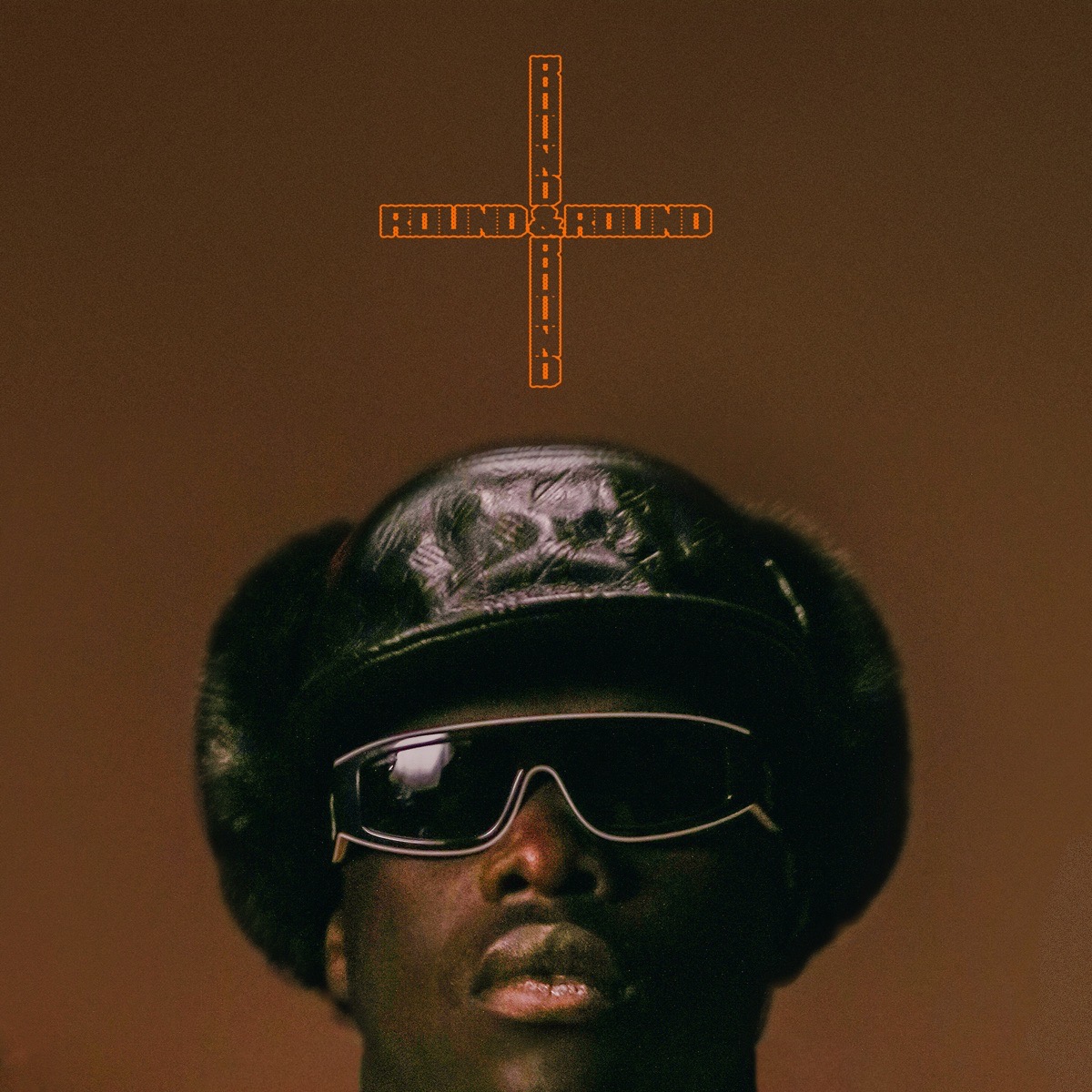
Nobody knows who Mi Amour is. That is not a marketing strategy. It is a fact.
In late 2025, a single post appeared on social media. No biography. No face. No press release. No label pitch. Just a song called You Are Okay, uploaded to Spotify on November 8, 2025, running one minute and fifty-eight seconds, credited to an artist with virtually no digital footprint and a distributor code suggesting independent, possibly Danish-routed release infrastructure.
And then people started listening. And they could not stop.
The Sound
Describing what Mi Amour sounds like is an exercise in inadequacy. It is lo-fi, but not in the way that word has been flattened by playlist culture into a synonym for study beats and coffee shop ambiance. It is feel-good, but not in the saccharine, algorithmically optimized way that streaming platforms have trained us to expect.
You Are Okay sounds like warmth itself rendered as audio. It sounds like the moment between waking up and opening your eyes when the world has not yet made its demands. It sounds like a message from someone who genuinely means it when they say you are okay.
Under two minutes. No excess. No posturing. Just a sound that lands somewhere in your chest and stays there.
The Mystery
There is no Instagram. No TikTok. No Twitter. No interviews. No biographical details indexed anywhere on the internet. The label, 10532704 Records DK, appears to be a distributor-assigned code rather than a traditional imprint. The artist exists, as far as the public record is concerned, as a name on a streaming platform and nothing else.
In an era where most artists reveal everything before they have created anything, Mi Amour has done the opposite. The music appeared first. The identity remains absent. And the void where a biography should be has become, unintentionally or not, part of the appeal.
The Album
A full-length debut is rumoured for 2026. If You Are Okay is any indication of what a complete project sounds like, it will be one of the most quietly significant releases of the year. Not because of spectacle or scale, but because of the rarest quality in contemporary music: sincerity that requires no explanation.
We do not know who Mi Amour is. We know what they sound like. Right now, that is more than enough.
The Question of Anonymity as Stance
The history of anonymous or semi-anonymous musicians is worth examining in the context of Mi Amour, because the choice to withhold identity carries different meanings depending on the era in which it is made. In the 1990s, anonymity in electronic music was a practical default, producers released on white labels because the music was what mattered, and the industry had not yet developed the mechanisms to monetize personal celebrity alongside recordings. In the 2000s and 2010s, anonymity became a countercultural gesture, a refusal of the personal brand logic that the internet was imposing on artists. By the 2020s, anonymity had become genuinely unusual, because the industry infrastructure had evolved to make personal visibility almost mandatory for success.
Mi Amour's anonymity in this context is not a nostalgic gesture. It is a radical one. In a music landscape where Spotify algorithmic placement depends on artist profile engagement, where social media presence is treated as a prerequisite for discovery, releasing music under a name with no face, no biography, and no promotional activity is an act of creative confidence. It says the music will either work on its own terms or it will not work, and either outcome is acceptable.
The fact that it worked, that You Are Okay accumulated streams and attention without any of the scaffolding the industry insists on, is a useful piece of evidence about what music actually requires to travel. The answer, apparently, is emotional accuracy. Nothing else.
The Lo-Fi Tradition and Its Limits
You Are Okay inhabits sonic territory that has become heavily codified over the past decade. The lo-fi aesthetic, the warm tape hiss, the compressed dynamics, the slightly out-of-tune elements that suggest human imperfection, all of this became the language of an entire streaming playlist category. The result was music that deployed the markers of intimacy as aesthetic convention rather than as evidence of actual intimacy. Lo-fi became a genre with its own production templates, which is the moment any aesthetic impulse starts to become decoration.
What separates You Are Okay from the codified version is the same thing that separates any authentic use of a convention from its institutional version: the sense that the choices are being made for reasons rather than habits. The warmth in Mi Amour's production sounds earned rather than applied. That distinction is not easily articulated, but it is immediately audible. You can hear the difference between someone who chose to record this way and someone who is following a template.
The same quality distinguishes Blood Cultures' work within the atmospheric indie space, and Dijon's output within the R&B tradition. In all three cases, the artists are using established sonic languages in ways that feel personal rather than formulaic, which is the only way those languages remain expressive rather than inert.
Listen to You Are Okay on SpotifyThe Anticipation Problem
A full-length debut from Mi Amour in 2026 will face a specific problem that the anonymity creates: no narrative context for the press to attach to the music. Most reviews and features depend on biographical framing. Without it, the music must be written about purely on its own terms, which is harder and, for the music, probably better.
The anticipation generated by a single track with virtually no artist context is unusual. It means the audience arriving for the debut will come prepared to listen rather than to verify an expectation they have already formed. That is a better starting point than most artists get, and whatever Mi Amour is building, the foundation is cleaner than almost any other emerging artist in the same sonic space. Compare the approach to how André 3000 let New Blue Sun speak without biographical scaffolding, trusting the work to create its own frame of reference.